
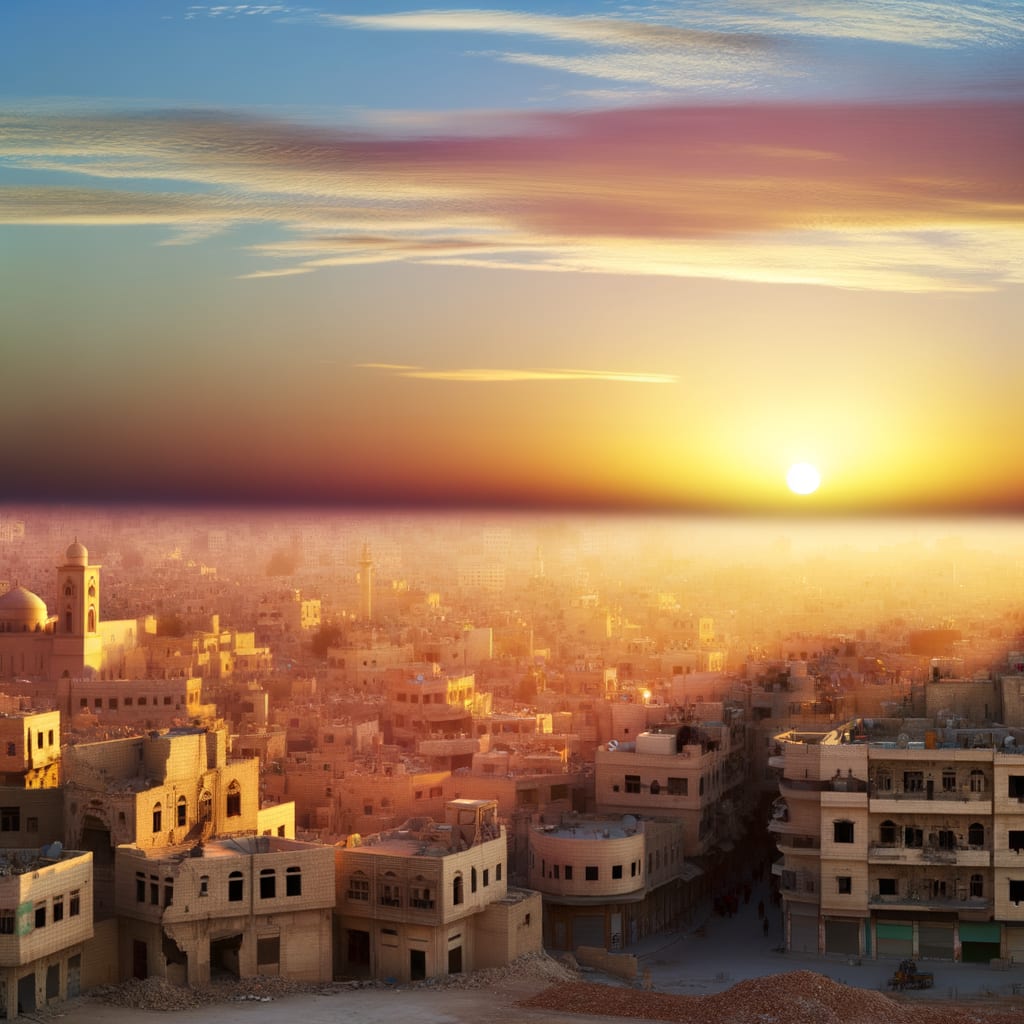
One Year After Assad: Syria At Crossroads Amidst Hope and Struggle
A year after the fall of longtime ruler Bashar al-Assad, Syrians marked the milestone with a mix of jubilation and trepidation. Despite significant strides in foreign policy and the return of nearly 1.8 million displaced Syrians, the nation is grappling with deep-seated challenges, including economic hardship and political divisions.
Fall of the Assad Dynasty
The Assad family's 50-year reign came to an abrupt end on December 8, 2024, when rebels seized control of Damascus. Assad was whisked away by Russian forces and remains in exile in Moscow. His downfall was likened to the Middle East's Berlin Wall,
symbolizing a significant shift in the region's political landscape.
The New Leadership's Struggles
Under the leadership of Syria's new president, Ahmed al-Sharaa, the country has managed to win over much of the West, including former US President Donald Trump. However, the new government is grappling with the monumental task of rebuilding the war-torn nation and addressing the grievances of ordinary Syrians.
Syria’s new leadership faces the danger of Syrians frustrated by justice delayed or denied,
Al Jazeera English reported. There are also concerns about former Assad loyalists funding armed groups in an attempt to destabilize the interim government.
Syrians' Mixed Feelings
On the streets of Damascus and other cities, Syrians celebrated the anniversary with fireworks, flags, and military parades. When al-Assad fell, Mohamad Yamen finally felt free. On the first anniversary, he speaks of his hopes for the future,
Al Jazeera English reported.
However, not everyone is celebrating. The BBC's Middle East correspondent Hugo Bachega noted that many Syrians are acutely aware of the new leadership's weaknesses. There are also divisions among Syrians, with some former Assad loyalists attempting to stoke an uprising against the interim government.
The Struggle to Heal
While the new leadership has made some progress, Syria still struggles to heal from the civil war. Rebuilding efforts are mostly small-scale, work opportunities are low-paying, and the security situation remains precarious, according to The Times of Israel.
The country is also grappling with minority panic and the threat of Israeli strikes, according to Tehran Times. With Syria still at a crucial juncture, the path to stability and recovery appears to be a long and challenging one.
Conclusion
One year after Assad's fall, Syria stands at a crossroads. As the nation celebrates the end of the Assad dynasty, the new leadership and the Syrian people face the monumental task of rebuilding the war-torn country and moving towards a future of stability and justice. The journey may be fraught with challenges, but for many Syrians, the sense of freedom and hope for a better future keeps them going.