
US Confirms First Troop Losses in Iran Operation, Sparking Domestic Controversy
The United States has confirmed that three of its soldiers were killed and five others seriously wounded during the campaign against Iran, dubbed Operation Epic Fury
. This marks the first American casualties since the conflict began, igniting a wave of domestic controversy and international scrutiny.
Context and Background
The US military's Central Command (CENTCOM) announced the casualties as the operation, a joint assault by the United States and Israel, continues against Iran. Several others sustained minor shrapnel injuries and concussions and are in the process of being returned to duty. However, the identities of the fallen warriors are being withheld out of respect for their families.
The operation was launched following the death of Iran's Supreme Leader Ayatollah Ali Khamenei, which has led to contrasting emotions across Iran, from public mourning to jubilant celebrations.
Key Developments
The United States and Israel launched the strikes against Iran, marking the largest regional mobilisation since the 2003 invasion of Iraq. The assault has involved an array of weaponry, including Tomahawk cruise missiles, stealth fighters, and, for the first time in combat, one-way attack drones modelled after Iranian designs. The mission struck more than 1,000 sites across Iran within its first 24 hours, according to CENTCOM.
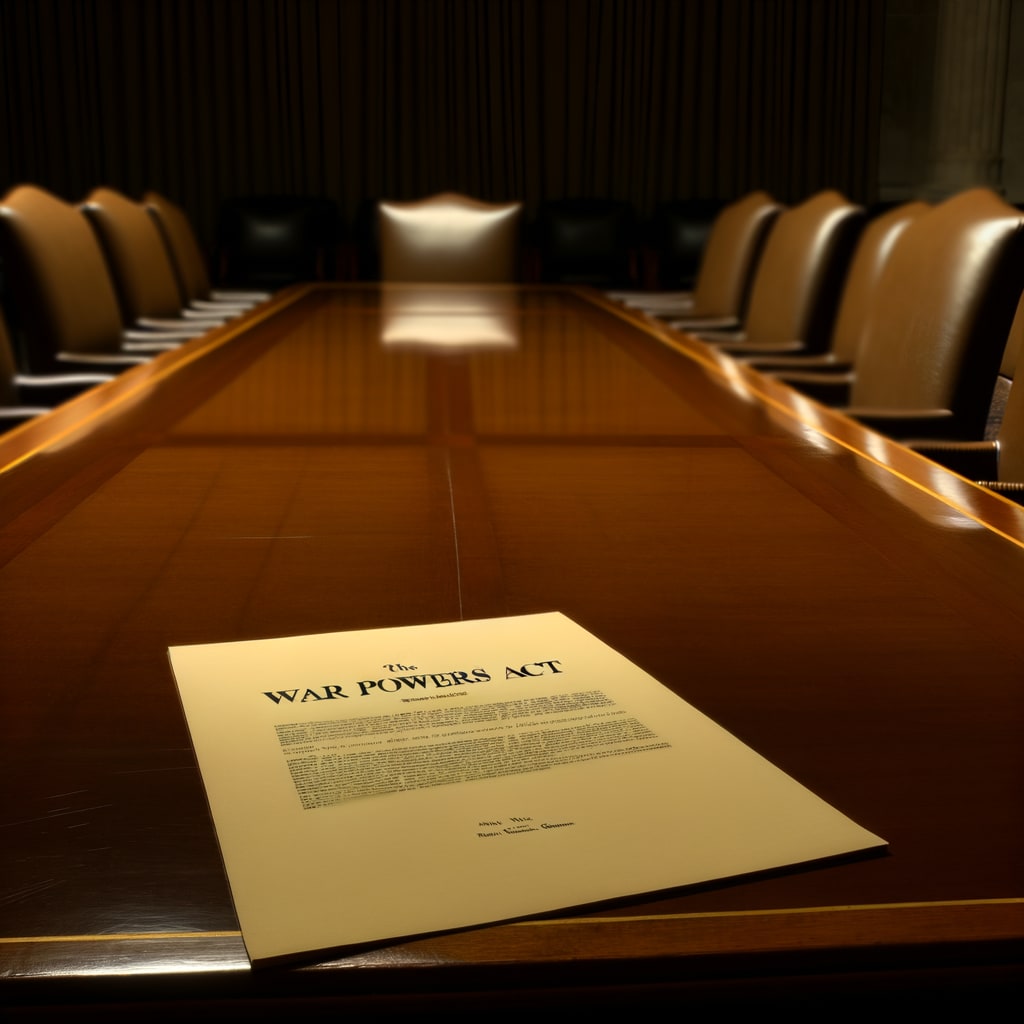
However, the operation has not been without controversy. President Donald Trump's unilateral decision to launch strikes against Iran has met a mixed response in Congress, largely along party lines. Democrats are seeking to stop the campaign under the 1973 War Powers Act, arguing that the president has bypassed Congress, which holds the sole authority to declare war under the U.S. Constitution.
Reactions and Implications
The first US fatalities in the conflict have ignited significant backlash domestically. The Reuters Ipsos poll found that 43 percent of respondents disapproved of the US and Israeli attacks on Iran, while only one in four approved. The death of American soldiers has further fueled this controversy, with 42 percent of Republicans stating they would be less likely to back the operation if US troops were killed or injured in the Middle East.
Internationally, Iran has vowed to avenge the death of its Supreme Leader, with a senior Iranian official declaring that everything American or Israeli has become a legitimate target for the Iranian armed forces.
On the other hand, Israel's involvement in the war has sparked criticism, with opponents arguing that Washington entered a war long pushed by Israel, setting vague and unachievable objectives.
Current Status
Major combat operations continue, with Tehran targeting US military assets and bases in the region. The US military potential is reportedly enough for only four to five days of strikes on Iran, according to the Financial Times. President Trump has suggested that the war could continue for up to a month. As the situation remains fluid, the world watches with bated breath.