
Global Education Crisis: Funding Gaps, Literacy Rates and the Role of AI
A global education crisis is brewing, underscored by declining literacy rates, funding gaps, and the increasing reliance on artificial intelligence (AI) in teaching. A range of reports from different regions highlight these issues, painting a worrying picture of the state of education worldwide.
Education Funding and Infrastructure Gaps
Many countries are grappling with significant shortfalls in education funding. National schools are admitting fewer Grade 10 learners, reflecting the wide gaps in infrastructure and staffing, as reported by the Daily Nation. The Ministry of National Education in France, as per Le Monde, revealed that the 2026 academic year would see more significant layoffs in schools, colleges, and high schools than initially expected. This trend is further echoed in Italy, where ANSA reports the country lags in EU rankings for spending on education per student.
However, there are signs of change. The Daily Nation reports that the Kenyan government will increase the per-pupil allocation in primary schools, signaling a potential shift in policy to address these gaps.
Decline in Literacy Rates
The literacy rate, particularly in young adults, is another area of concern. A report in the Daily Nation reveals that over half of Grade Six learners in Kenyan public primary schools struggle with literacy skills. This problem extends to higher education, with Fox News reporting that many university professors are teaching students who find it hard to interpret basic text, let alone complex literature.
The Role of AI in Education
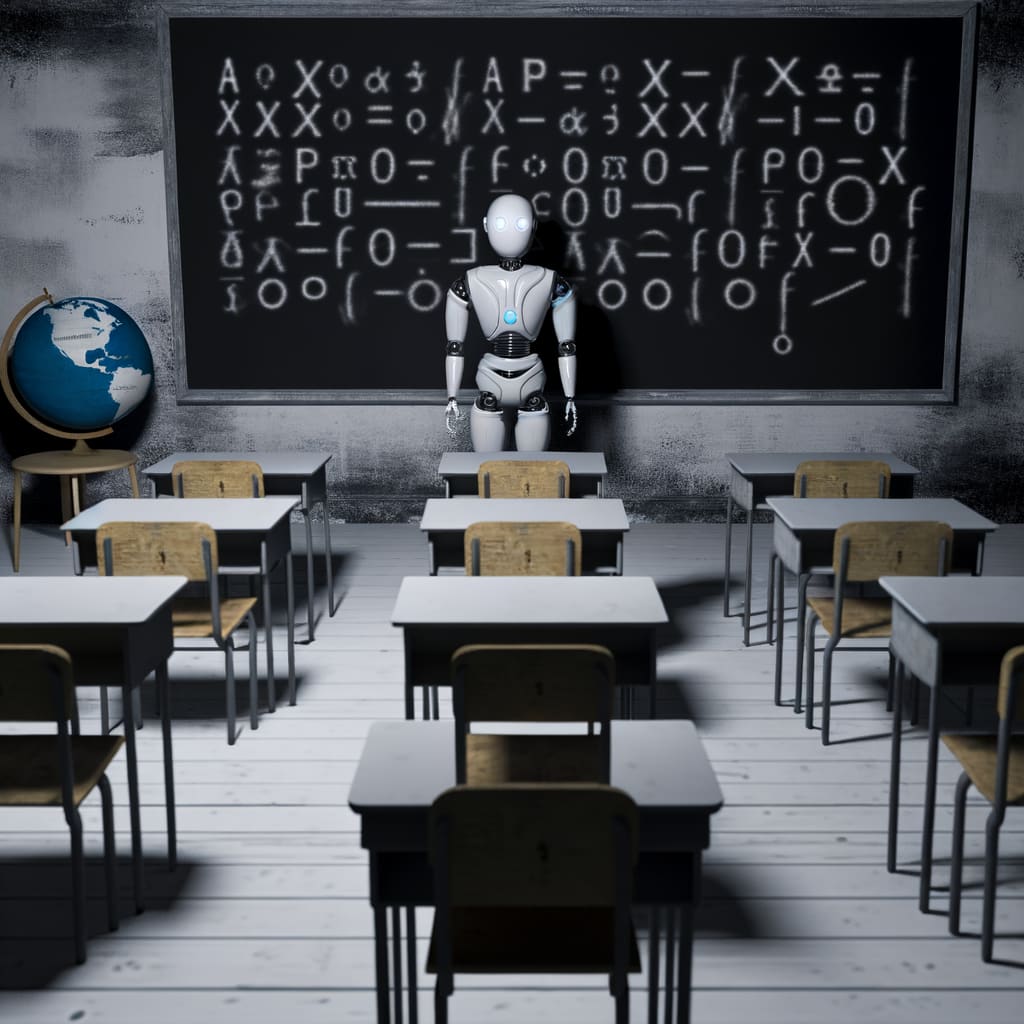
The use of AI in education is becoming increasingly prevalent, with both potential benefits and drawbacks. A network of U.S. schools is pioneering AI-based teaching methods, according to Clarin. An award-winning AI project in Piauí schools, praised by UNESCO, is also garnering attention, despite issues with internet quality, as per Folha de S.Paulo.
However, there are concerns about the impact of AI on learning. A Fox News report reveals that 95% of faculty from a survey believed AI was making students dangerously dependent on technology for learning. They expressed concerns about reduced critical thinking abilities, shorter attention spans, and increased instances of cheating.
Reaction and Implications
The implications of these issues are far-reaching. Parents in Namibia are demanding temporary schools for students left without placements, as reported by AllAfrica.com. Meanwhile, a Fox News report exposes alleged financial aid fraud in two U.S. states, which affects low-income students trying to pay for their education.
In the UK, the government is shifting its focus from international student recruitment to encouraging universities to open overseas hubs, according to The Guardian. This move is seen as a response to the evolving global education landscape.
Conclusion
The global education sector is facing multiple challenges, from funding gaps and declining literacy rates to the increased reliance on AI in teaching. While governments and educational institutions are trying to address these issues, it remains to be seen how effective these measures will be in ensuring quality education for all.