
Brazilian President Lula Vetoes Bill Reducing Bolsonaro's Prison Sentence
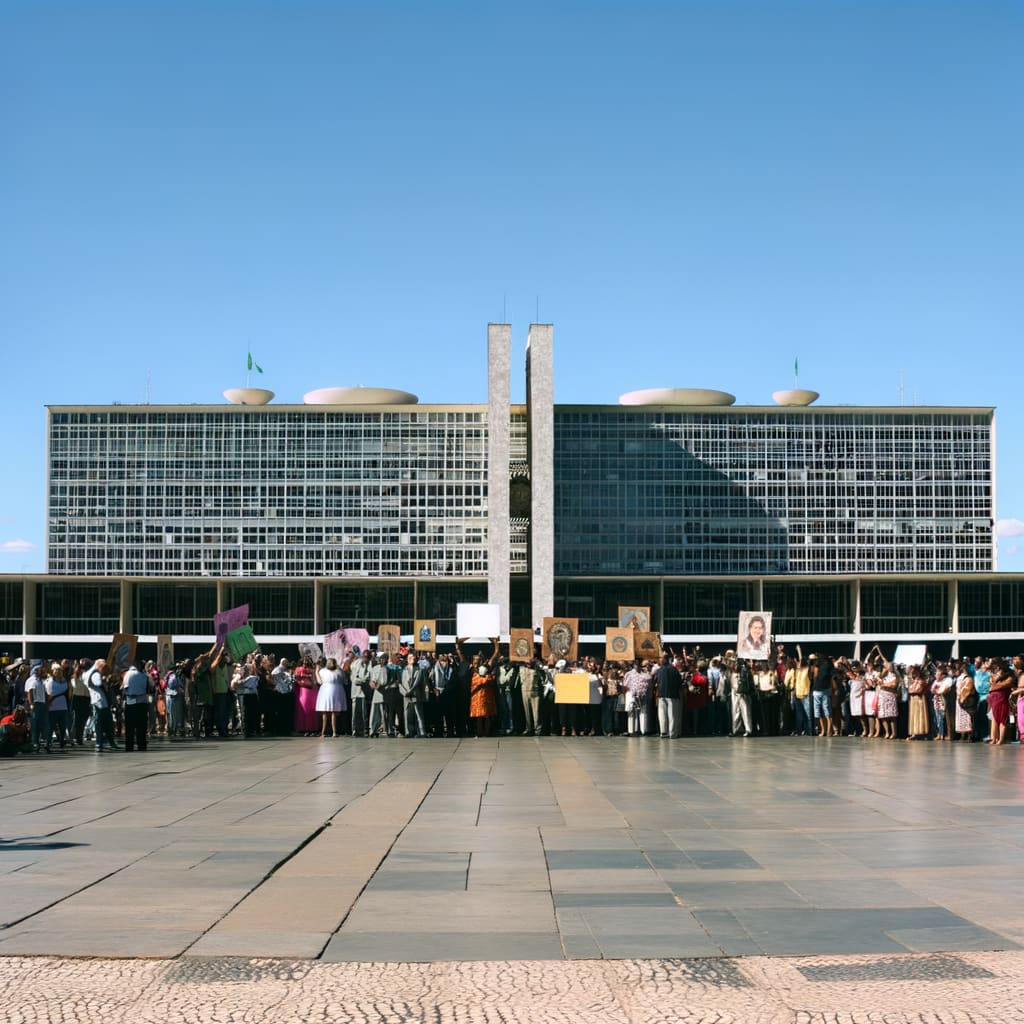
Brazil's president, Luiz Inácio Lula da Silva, commonly known as Lula, has vetoed a law that would have dramatically reduced the prison sentence of the country’s far-right former leader Jair Bolsonaro, convicted of plotting a coup. The veto was announced on the third anniversary of riots by Bolsonaro supporters in the capital, Brasília, over his defeat by Lula in the 2022 general election.
Background and Context
The law, adopted by Congress late last year, proposed a significant reduction in the 27-year prison sentence of Bolsonaro, who was found guilty of coup plotting. The veto came as Lula held a ceremony in memory of the attacks on the seats of Power in Brasília, marking the third anniversary of the major riots by Bolsonaro supporters. The proposal, dubbed the 'Dosimetry Bill', has sparked a heated debate among Brazilian political figures.
Key Developments
President Lula's decision to veto the proposal was anticipated, but it nevertheless stirred controversy. Deputy Paulinho da Força, who was the rapporteur of the bill, accused Lula of 'tearing the flag of peace' and preferring conflict over vetoing the proposal. On the contrary, Senator Randolfe Rodrigues defended Lula's decision as symbolic, arguing that it showed democracy is not negotiable.
In response to Lula's veto, Senator Esperidião Amin filed a project requesting amnesty for those involved in the 2023 attacks. The federal government's summit evaluates that if Congress overturns Lula's veto, the text will be a subject of dispute at the Supreme Federal Court.
Reactions and Implications
The veto has been met with divided responses. While some see it as a necessary stance against those who attempted to undermine Brazilian democracy, others view it as a divisive move. Lula's government is expected to defend the veto but without escalating the dispute to a point that could compromise the relationship between the Executive and the Congress.
Lula's decision was deemed in harmony with the gravity of the attacks on the seats of the three Powers
by former public security interventor Ricardo Cappelli. However, federal deputy Domingos Sávio warns that the veto may lead to a quick response from the National Congress.
Current Status
The opposition-controlled Congress, which initially passed the Dosimetry Bill in December, will now decide whether to confirm or revoke Lula's veto. Meanwhile, Lula's government is making efforts to maintain a balance between upholding the veto and preserving its relationship with Congress. The outcome of this dispute will have significant implications for Brazil's political landscape and the fate of former president Bolsonaro.