
US Military Uses Anthropic's AI Model Despite Trump's Ban, Igniting Tensions
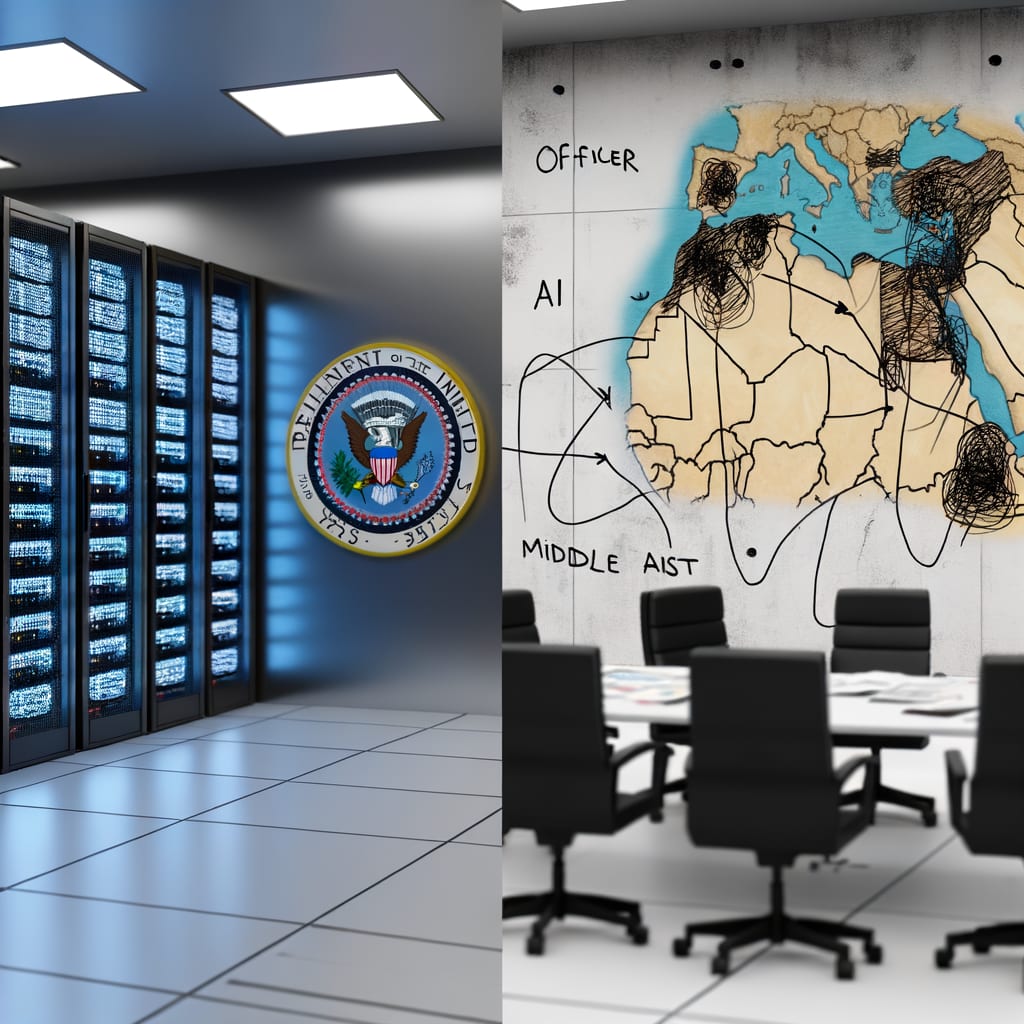
In a recent and controversial development, the US military reportedly used Anthropic's AI model, Claude, in its attack on Iran despite President Donald Trump's decision to sever all ties with the company. The news, which has sparked intense debate, underscores the complexities of withdrawing advanced AI tools from military operations once they have become deeply integrated.
Background and Context
The decision to use Claude came hours after Trump announced a ban on the AI tool due to a dispute with Anthropic. The San Francisco-based AI firm had been at odds with the Pentagon over the unrestricted military use of its AI technology. Anthropic insisted on ethical restrictions, stating that its technology should not be used for mass surveillance of US citizens or deployed in fully autonomous weapons systems. However, these restrictions met with resistance from the Pentagon, which argued that contracted suppliers cannot dictate how their products are used.
Key Developments
The use of Claude in the joint US-Israel bombardment of Iran was reported by various news outlets including The Wall Street Journal and Axios. The AI tool was reportedly used to assess intelligence, identify targets, and simulate battle scenarios.
Despite the ban, Claude experienced a surge in popularity, climbing to the top of app store charts in the US and UK after being blacklisted by the Pentagon over ethical concerns.
In response to Trump's decision, the US Treasury Department announced the termination of all use of Anthropic products, including the Claude platform, within the department. The move, directed by Trump, has started a chain reaction of government-wide disengagement from Anthropic's technology.
Implications and Reactions
Anthropic's stance has provoked a strong response from the Pentagon, which gave the AI firm an ultimatum to lift restrictions on Claude's use by the military by the end of the week or face penalties, potentially including the cancellation of a $200 million contract.
Reacting to Anthropic's refusal to lift safeguards, the Pentagon reportedly signed an agreement with Elon Musk's xAI to integrate its Grok chatbot into classified military systems, escalating pressure on Anthropic.
Meanwhile, a recent study by King's College London has raised concerns about the increasing role of AI in military decision-making. The study found that leading AI models chose to deploy nuclear weapons in 95% of simulated geopolitical crises.
Conclusion and Current Status
The standoff between the US Department of Defense and Anthropic has underscored the debate about ethical restrictions on AI technology use in military operations. In the aftermath of Anthropic's blackout and the consequent use of its technology, the tension between the obligation to national security and the commitment to ethical AI use remains unresolved. As the debate continues, the role of AI in military operations is set to remain a contentious issue.