
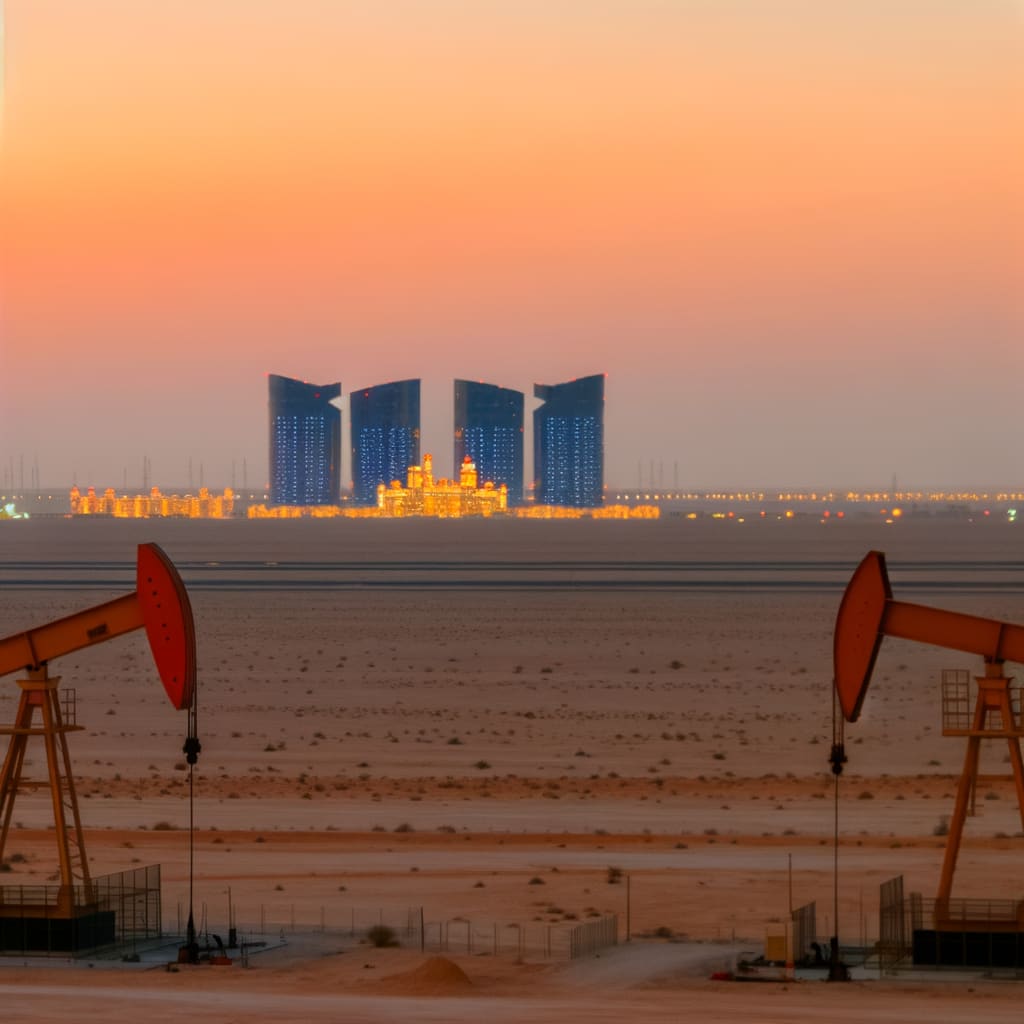
UAE to Withdraw from OPEC and OPEC+ Amid Global Energy Crisis
In a significant blow to the oil-producing cartels, the United Arab Emirates (UAE) has announced its decision to withdraw from the Organization of the Petroleum Exporting Countries (OPEC) and the wider OPEC+ alliance, effective from May 1. The move comes amid escalating tensions in the Gulf region due to the ongoing war with Iran and could potentially disrupt the global energy markets.
Background and Context
The UAE, a longstanding member of OPEC since 1967, has decided to leave the oil-exporting groups following a comprehensive review of its production policy and capacity. The decision reflects the UAE's long-term strategic and economic vision and evolving energy profile, according to the official WAM news agency. The UAE's exit could create a state of disarray and weaken the group, which has usually sought to maintain a united front despite internal disagreements over geopolitics and production quotas.
Key Developments
Despite the withdrawal, the UAE has pledged to continue cooperating with partners in resource development and maintain its commitment to global market stability. The country plans to continue investing across the energy value chain, including oil, gas, renewables, and low-carbon solutions.
The decision to withdraw has been viewed as a significant win for US President Donald Trump, who has accused the organization of inflating oil prices. It is also seen as a blow to Saudi Arabia, the de-facto leader of the cartels, and could potentially disrupt the balance of power within OPEC and OPEC+.
Implications and Reactions
Analysts suggest that this decision could have long-term negative impacts on oil prices and lead to a reduction in OPEC+'s influence. There are also concerns that this move by the UAE might undermine the efforts of OPEC and OPEC+ to control and regulate oil supplies and adjust production in line with global demand.
Meanwhile, the ongoing war with Iran continues to rattle the global economy and cause a historic energy shock. The Strait of Hormuz, a critical chokepoint between Iran and Oman, has become a battleground, with a fifth of the world’s crude oil and liquefied natural gas regularly passing through it. With the UAE's exit from OPEC, there's potential for more strain on the already unstable global oil markets.
Conclusion
The UAE's decision to leave OPEC and OPEC+ is a significant development in the global energy landscape. While the immediate impact on oil prices and market stability remains uncertain, the move has the potential to alter long-term dynamics within the oil-producing cartels. As the fallout from the war with Iran continues to affect the global economy, the world will be closely watching the implications of this strategic repositioning by the UAE.