
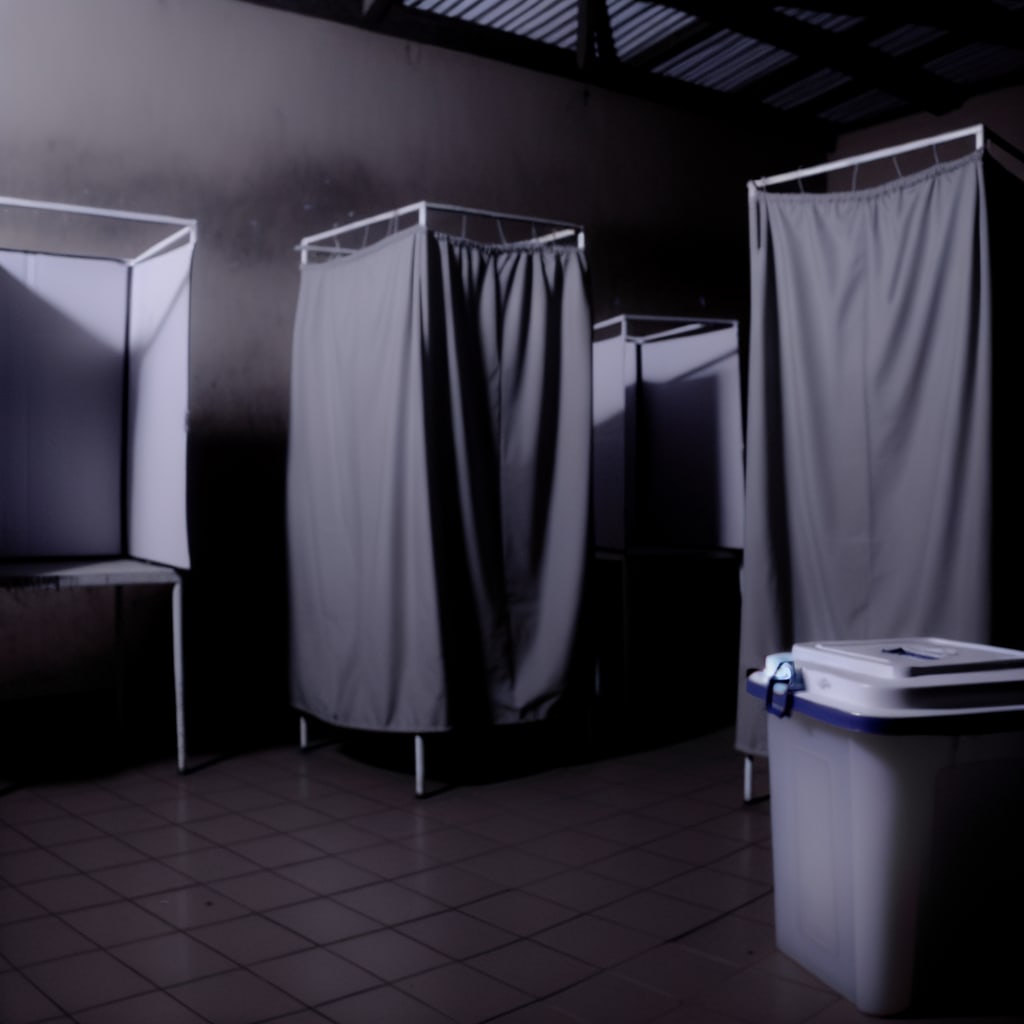
Tensions Rise as Uganda Votes Amidst Internet Blackout and NGO Suspension
Uganda has entered a tense election period, with incumbent President Yoweri Museveni seeking a seventh term amidst an internet blackout, suspension of multiple non-governmental organizations (NGOs), and rising concerns over the integrity of the election process. The election duel is mainly between Museveni, who has been in power for 40 years, and singer turned opposition leader Bobi Wine, backed by a youthful demographic frustrated with unemployment.
A Tense Election Background
The presidential and parliamentary elections, held on Thursday, January 15, mark Museveni's attempt to extend his four-decade rule over a country where 70% of the population is under 35. With escalating repression and accusations of nepotism, the campaign has been marked by intimidation, violence, and widespread arrests of Museveni's opponents[1,2,14].
The election has also been marred by the suspension of at least 10 non-governmental organizations, including human rights, media, and election monitoring bodies[6,11]. This move was ordered by the National Bureau for Non-Governmental Organizations just days before the election, further raising concerns about the fairness of the election[6,11].
Internet Blackout and Repression Concerns
The election period has been further complicated by a nationwide internet blackout. Amnesty International has called the blackout 'especially alarming', with the UN Human Rights Office emphasizing that 'open access to communication & information is key to free & genuine elections'[8,16,18,19].
Security forces have reportedly clamped down on supporters of Museveni’s main opponent, Bobi Wine, by teargassing and shooting bullets at events and detaining people[14]. The election chief has also reported threats over results declaration, following comments by a presidential assistant that Wine would not be declared president, even if he wins[5].
The Youthful Base and Hope for Change
Despite the tensions, there is a sense of hope amongst the youthful base backing Bobi Wine, who has mobilized a demographic frustrated by unemployment and seeking stability and opportunities[2,9]. Wine's supporters hope that the election will bring change and heeds their wishes for a better future[7].
Voting Amidst Challenges
As the polls opened, voters faced soldiers in the streets, fears of violence, and logistical issues in some areas[4,17,22,23]. Despite these challenges, political parties and candidates have taken a lead in voter mobilization, a move that election observers say strengthens democratic participation[24].
A Nation Awaits Results
The nation now awaits election results, with optimists hoping for change while others fear chaos, repression, and another term for President Museveni[25]. Amidst the rising tensions and uncertainty, the world watches closely as Uganda decides its future.