
US Temporarily Lifts Sanctions on Russian Oil Amid Rising Prices Due to Iran Conflict
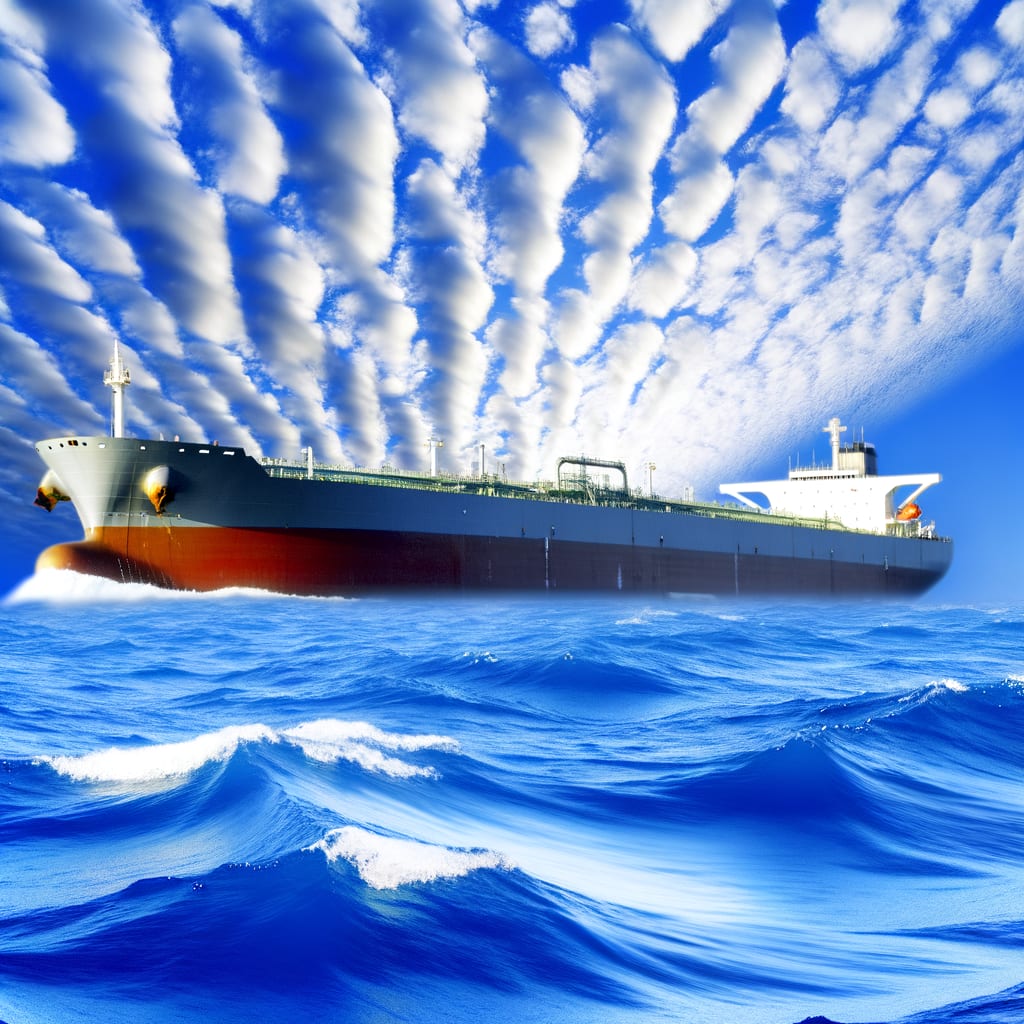
In a move aimed at stabilizing global energy markets, the United States administration has temporarily lifted sanctions on the sale of Russian oil that has already been loaded onto vessels before March 12, according to the US Treasury Department. This move comes amid an escalating conflict in Iran that has disrupted global energy supplies and sent oil prices surging.
The temporary license, effective from March 12 until April 11, allows countries to purchase Russian oil that is currently stranded at sea. This measure applies despite the US's previous stance of not granting exemptions for Russian oil, according to energy secretary Chris Wright. The easing of sanctions, however, is not expected to provide significant financial benefits for Russia, assured U.S. Treasury Secretary Scott Bessent.
Background and Context
Tensions in the Middle East have caused the largest disruption in history in the energy supply, according to the International Energy Agency (IEA). The closure of the Strait of Hormuz, through which 20% of global demand for hydrocarbons transits, is the main reason for this disruption. As a result, oil prices have shot up, reaching over $100 per barrel for the first time since 2022.
The US's decision to lift sanctions on Russian oil comes a day after the Department of Energy announced the release of 172 million barrels of oil from the strategic petroleum reserve to help alleviate the energy crisis. This is part of a broader plan by the IEA to release about 400 million barrels to calm markets.
Key Developments and Details
The easing of sanctions on Russian oil is a short-term measure designed to alleviate the pressure on global energy supplies. Even though it could potentially benefit Russia, Bessent stressed that it is a necessary step in the current crisis. The license permits transactions with Russian fuel before April 11 and applies to about 100 million barrels of Russian oil, according to Russia's presidential envoy, Kirill Dmitriev.
In a notable development, the US has also given India, which is heavily dependent on Russian oil, a temporary waiver to purchase fuel from Moscow. This move is aimed at ensuring that oil continues to flow into the global market.
Reactions and Implications
The temporary lifting of sanctions has drawn various reactions. While some see this as a crucial step for market stability, others have expressed concerns about the potential benefits for Russia. Bessent, however, emphasized that Putin's regime will not gain significant profits from this move.
The current situation has underscored the vulnerability of countries heavily dependent on oil imports, like India. The temporary waiver for India to buy Russian oil is seen as a stopgap measure to keep oil flowing into the global market.
Conclusion
As the Iran conflict continues to affect global energy supplies and prices, the US's temporary easing of sanctions on Russian oil is seen as a necessary measure to stabilize markets. This move, however, is a temporary solution, and the global energy market remains uncertain as the conflict in Iran continues to escalate.