
Iran's Supreme Leader Ayatollah Ali Khamenei Killed in Joint US-Israeli Strike
Iran has confirmed the death of its Supreme Leader Ayatollah Ali Khamenei in a joint US-Israeli military operation, causing waves of shock and mourning throughout the nation and the world. The attack, which also resulted in the death of three of Khamenei's top military commanders, has created a volatile power vacuum in Iran and ignited a flurry of international reactions.
Background and Context
The 85-year-old Ayatollah Khamenei, who has dominated Iran for nearly four decades, was killed in the strikes, taking the region by surprise. The strikes were part of a campaign aimed at bringing about regime change in Iran to eliminate imminent threats
to the American people, according to US President Donald Trump.
Both the Tasnim and Mehr news agencies, both close to the Iranian government, reported Khamenei's death, marking him as a martyr
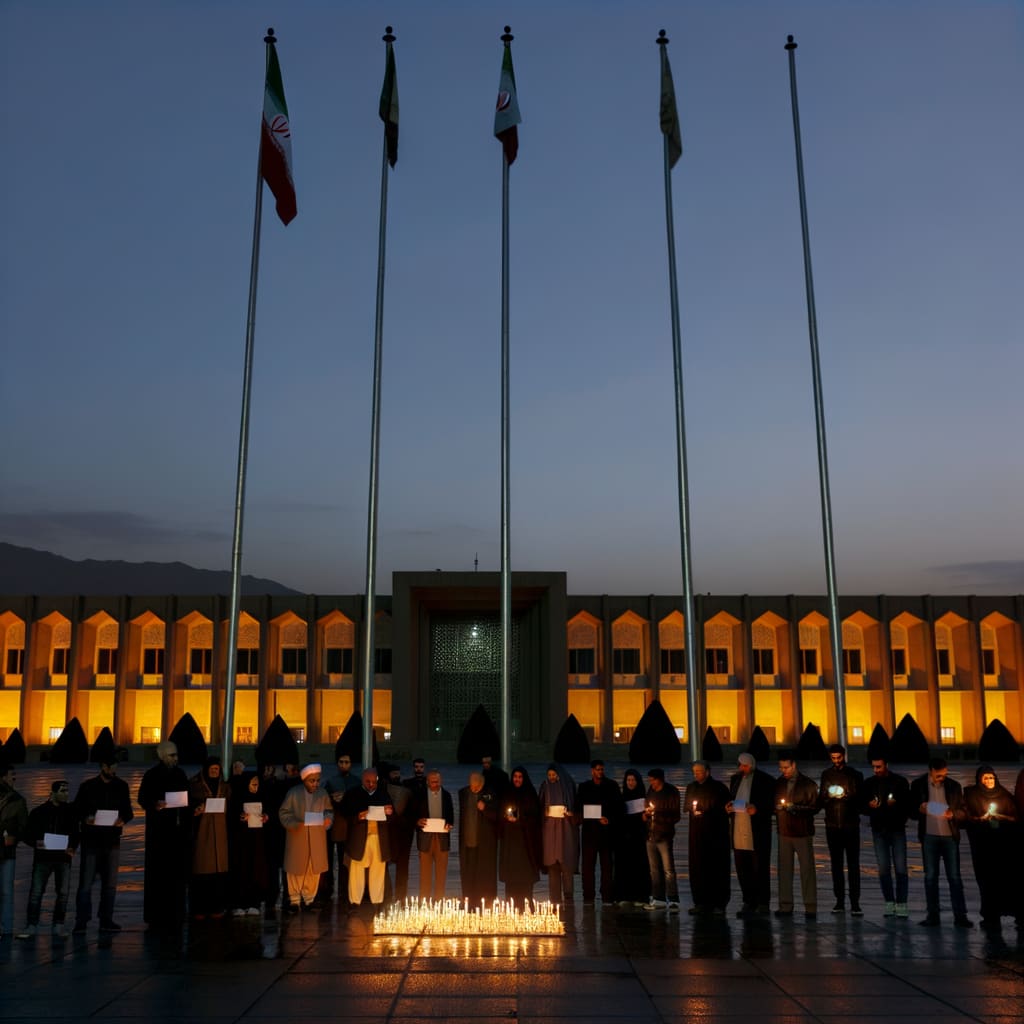
. The government has announced 40 days of public mourning, with millions of Iranians gathering in Tehran to mourn their leader.
International reactions have been mixed. While some nations mourn Khamenei's death, others have greeted the news with jubilation, anger, or trepidation.
Key Developments
Hezbollah's chief, Naim Qassem, called the assassination the height of crime
. Protests and mourning rallies have broken out in other parts of the world including Nigeria and Lebanon, showing the far-reaching implications of Khamenei's death.
The strike operation was reportedly guided by CIA intelligence. Iran has pledged a fierce retaliation across the region, and the country's officials warn that everything American or Israeli has become a legitimate target for the Iranian armed forces.
Implications and Reactions
The killing has triggered a high-stakes test of whether the Islamic Republic’s system can endure without Khamenei. Some experts point to hardening continuity as security institutions close ranks, while others speculate about the potential for collapse or significant change.
The situation has also led to severe disruption to flights across the Middle East and beyond, stranding or diverting hundreds of thousands of travelers.
The UN Secretary-General Antonio Guterres has condemned the military escalation, warning of a wider regional conflict with grave consequences for civilians and regional stability.
He urged an immediate cessation of hostilities and a return to the negotiating table.
Current Status
While the world grapples with the implications of the strike, Iran and the US have begun new nuclear talks as Washington builds up forces in the region. President Trump has suggested that the war could continue for up to a month, and Iran is reportedly preparing for a prolonged war.
Amid the turmoil, questions about the future of Iran's leadership and stability remain, and the international community watches closely as the situation continues to unfold.