
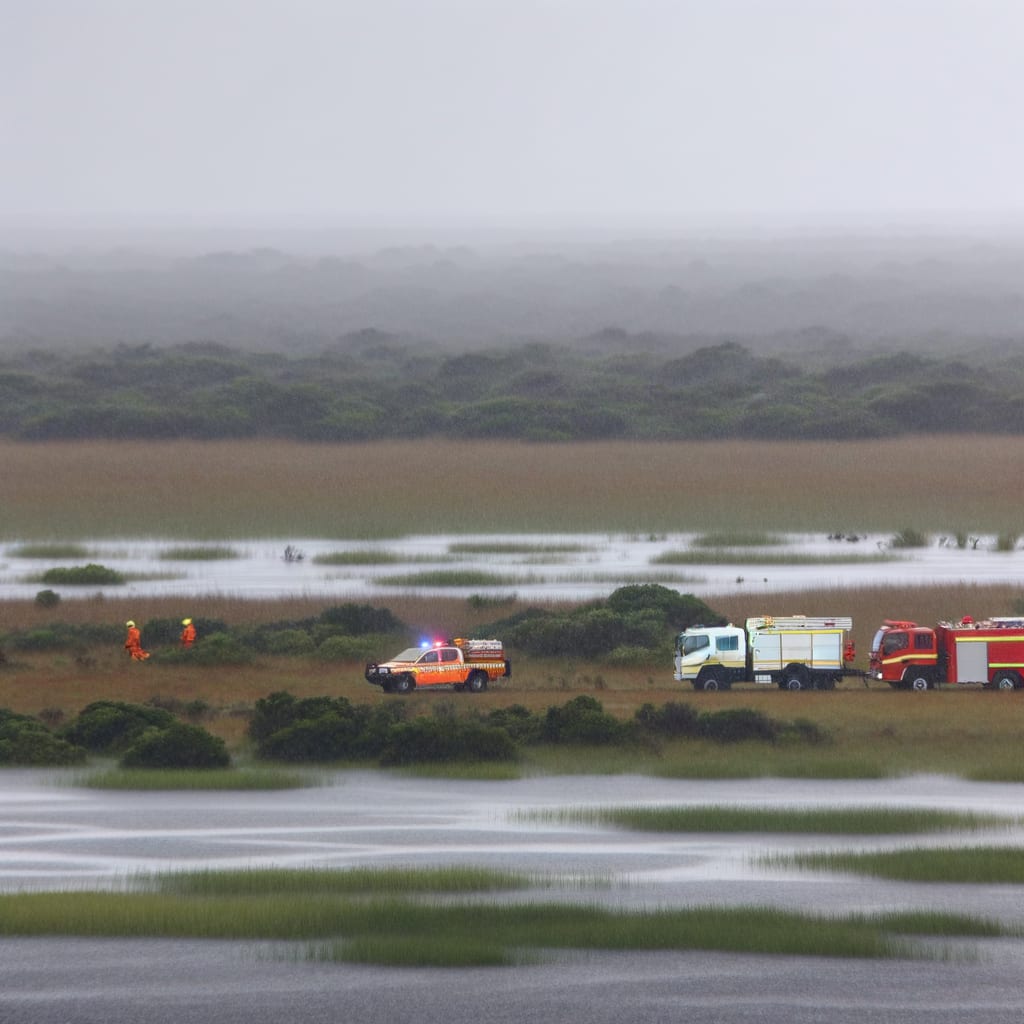
South Africa and Mozambique Face Extreme Rainfall and Flooding, Over 100 Dead
A torrential deluge has swept across parts of South Africa and neighboring Mozambique, leading to catastrophic damage and claiming over 100 lives. The extreme weather conditions have resulted in the closure of Kruger National Park, South Africa's largest game reserve, and have sparked critical warnings from meteorology institutes.
Background
Large areas of North-eastern South Africa and Mozambique have experienced exceptionally heavy rainfall for several days, driven by a slow-moving low-pressure system anchored over the region. Some locations in South Africa, such as Graskop in Mpumalanga and Phalaborwa, recorded hundreds of millimeters of rain over the weekend.
In Mozambique, the National Meteorology Institute (INAM) has issued an urgent warning, forecasting that rainfall could reach critical levels by the weekend. The deluge has also affected Zimbabwe, resulting in a cumulative death toll of over 100 across the three southern African nations.
The Deluge's Devastation
The severe flooding and rising water levels have caused significant damage across various regions. In Limpopo, South Africa, President Cyril Ramaphosa described the damage as 'catastrophic,' with at least 19 people dead and considerable destruction to homes, businesses, and infrastructure.
In the Kruger National Park, heavy rains have raised river levels, blocking routes and leaving only one exit. The South African National Parks (SANParks) warned visitors that they might be temporarily stranded if the only exit bridge becomes unsafe.
One harrowing incident in the Mbaula Village saw a mother trapped in a tree due to the floods, while her young son was swept away. The South African National Defence Force (SANDF) has deployed helicopters for rescue operations, evacuating stranded individuals in Limpopo and other affected regions.
Responses and Implications
As the death toll rises and the destruction worsens, the South African and Mozambican authorities have initiated rescue and relief operations. The SANDF's deployment of helicopters for flood rescue is one such effort. In addition, hundreds of tourists and workers have been evacuated from the world's biggest game reserves.
However, the extreme weather event also raises concerns regarding climate change and its financial implications. As noted by The Conversation Africa, droughts, floods, storms, and heatwaves damage crops, factories, and infrastructure, posing a significant problem for countries that depend on oil, gas, or coal.
Conclusion
As more rain is expected in the coming days, authorities continue to issue warnings and prepare for more potential destruction. The floods in South Africa's north-eastern provinces led to the closure of the world-famous Kruger National Park. The park's closure and the ongoing rescue operations underscore the severity of the situation. The death toll across South Africa, Mozambique, and Zimbabwe is an alarming reminder of the devastating impacts of extreme weather events, as nations grapple with the ongoing crisis and brace for more rainfall.