
Israel signals open-ended presence and expanded control zone in southern Lebanon despite US–Iran cease-fire
Narrative Snapshot
- Core positions are explicit: Israeli leaders publicly rule out withdrawal and formalize an expanded “security zone” (South China Morning Post; Middle East Eye; Folha de S.Paulo; TASS), while US intelligence does not expect Israeli strikes to stop under the US–Iran cease-fire (New York Times; TASS).
- Regional and European reactions emphasize de-escalation and withdrawal: a French minister urges Washington to pressure Israel (The Hindu), a UK minister calls for Israeli withdrawal to enable returns of displaced families (Middle East Eye), and an Al Jazeera analyst argues only US leverage can shift Israeli policy.
- Narratives diverge on compliance and efficacy: Israel frames continued operations as a response to Hezbollah attacks and a security necessity (TASS; SCMP), while coverage highlights ongoing strikes despite the cease-fire and a reported civilian death toll (Al Jazeera). Hezbollah claims Israel’s campaign failed to crush it and urges indirect talks (Middle East Eye).
- Political temperature matters: hardline Israeli rhetoric (“all of Lebanon must burn”) and Iranian pushback (Middle East Eye) raise escalatory risk around a cease-fire already described as stalling or threatened (Al Jazeera; The Hindu).
What Happened
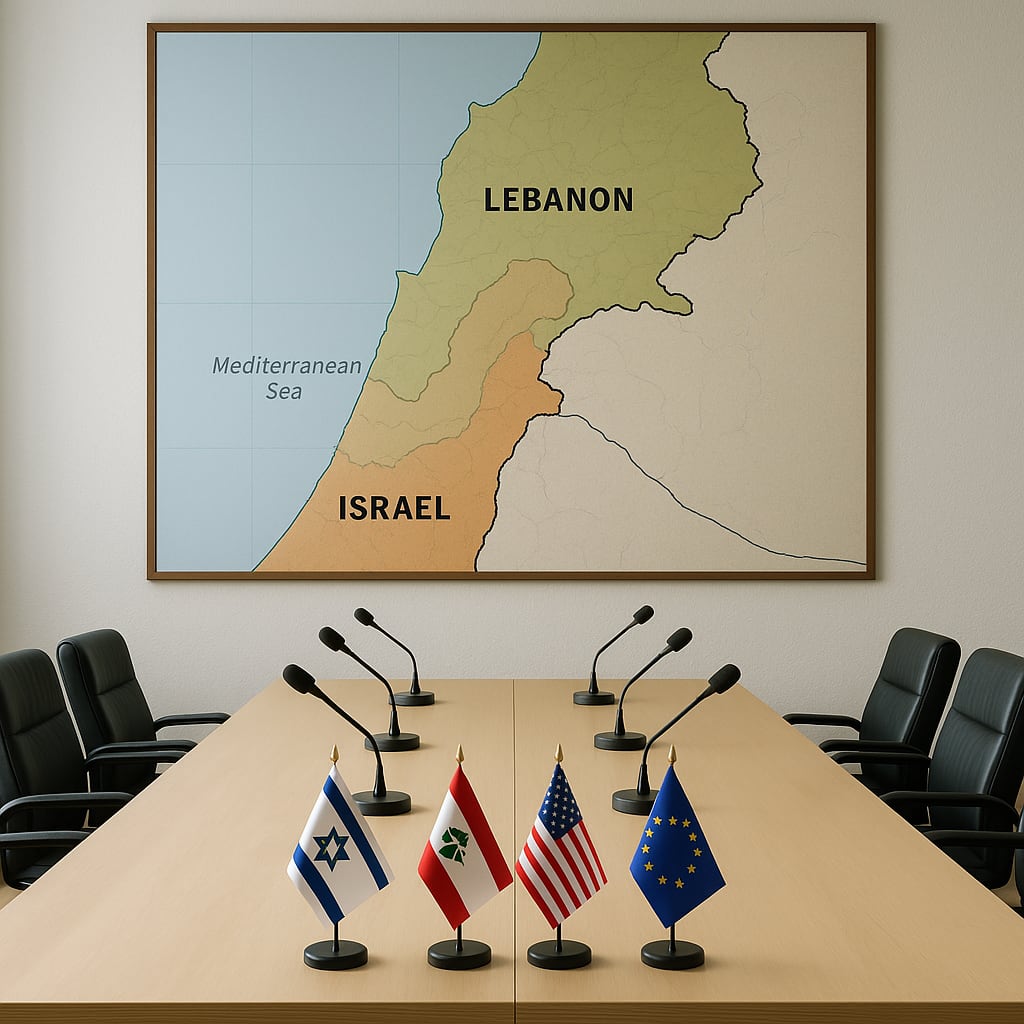
On 18–19 June, Israeli officials publicly committed to continued military operations inside southern Lebanon and published a map delineating an expanded zone of control (Middle East Eye; Folha de S.Paulo). Prime Minister Benjamin Netanyahu ruled out withdrawing for the foreseeable future, characterizing the “security zone” as essential for Israeli communities and vowing to respond to any attacks (South China Morning Post; TASS). The Israel Defense Forces said it would keep operating under leadership orders and alleged Hezbollah violated a cease-fire, saying it had been “taught a lesson” (TASS). Al Jazeera reported at least 47 people killed in Israeli attacks since midnight on 19 June amid stalling US–Iran talks linked to a cease-fire that calls for ending fighting in Lebanon (Al Jazeera). European officials urged de-escalation and withdrawal (The Hindu; Middle East Eye). US intelligence assessed Israel is likely to continue strikes despite the cease-fire (New York Times; TASS). Hezbollah’s parliamentary leader said Israel failed to crush the group and called for indirect negotiations (Middle East Eye).
Why It Matters
This episode tests whether a bilateral US–Iran arrangement can restrain third-party operations when a principal belligerent signals noncompliance. Folha de S.Paulo reports Israel’s expanded control zone challenges the pact’s call to respect Lebanese sovereignty, while the New York Times and TASS relay US intelligence expectations that Israeli strikes will persist, underscoring limits of external guarantees absent domestic political buy-in in Israel. European calls for US pressure (The Hindu) and for Israeli withdrawal to enable displaced returns (Middle East Eye) highlight growing transatlantic divergence over leverage and end-states. Continued strikes and deaths reported by Al Jazeera increase humanitarian and displacement costs, complicating modest economic recovery initiatives such as the planned reopening of northern Lebanon’s Rene Mouawad Airport (Al Jazeera). The combination of entrenched positions, far-right rhetoric within Israel (Middle East Eye), and Hezbollah’s claim of resilience (Middle East Eye) signals a hardening conflict dynamic that can outlast diplomatic cease-fire frameworks.
Diverging Narratives
- Security necessity vs. sovereignty: Israeli leaders present the “security zone” and continued operations as protective measures responding to threats (South China Morning Post; TASS). Coverage in Middle East Eye and Folha de S.Paulo frames the expanded control map as defying a US–Iran pact that emphasizes Lebanese sovereignty; Al Jazeera and The Hindu stress that hostilities persist despite a cease-fire framework.
- Compliance claims: The IDF asserts Hezbollah violated the cease-fire (TASS). Other reporting emphasizes Israeli strikes continuing after the agreement’s announcement and cites significant fatalities (Al Jazeera), leaving contested claims about who is violating and how.
- Efficacy and end-states: Netanyahu lauds progress against an Iran-led “axis of evil” (TASS), while Hezbollah’s Mohammad Raad says Israel failed to crush the group and urges indirect negotiations (Middle East Eye). Within Israel, some ministers vow an “indefinite” presence and a “heavy price” after soldier deaths (Middle East Eye), contrasted with UK and French calls for withdrawal and US pressure (Middle East Eye; The Hindu).
- Policy leverage: An Al Jazeera analyst argues real change requires US pressure, while US intelligence reported by the New York Times expects Israel to continue strikes—implying limited near-term impact from the cease-fire unless Washington alters its approach.
What Happens Next
- Scope and duration of Israel’s “security zone”: Further official maps or statements expanding or codifying operational boundaries would signal consolidation (Middle East Eye; Folha de S.Paulo; South China Morning Post). A publicly signaled pullback would indicate responsiveness to external pressure (The Hindu; Middle East Eye).
- US leverage and signaling: Watch for explicit US conditioning of support or public demands aligned with French calls for pressure and UK calls for withdrawal (The Hindu; Middle East Eye). Absent such signals, the New York Times/TASS assessment suggests continued Israeli operations.
- Cease-fire durability: Indicators include resumed or stalled US–Iran talks and reported cross-border strike tempo and casualty figures (Al Jazeera; The Hindu).
- Lebanese political channel: Movement by Beirut toward the framework for indirect negotiations urged by Hezbollah’s parliamentary leader would open a de-escalation pathway; inaction would keep battlefield dynamics dominant (Middle East Eye).
- Domestic Israeli drivers: Additional IDF casualties and incendiary rhetoric (e.g., Ben Gvir’s remarks) correlate with vows to stay and escalate (Middle East Eye). Analysts should track cabinet messaging and coalition cohesion for clues to operational posture.