
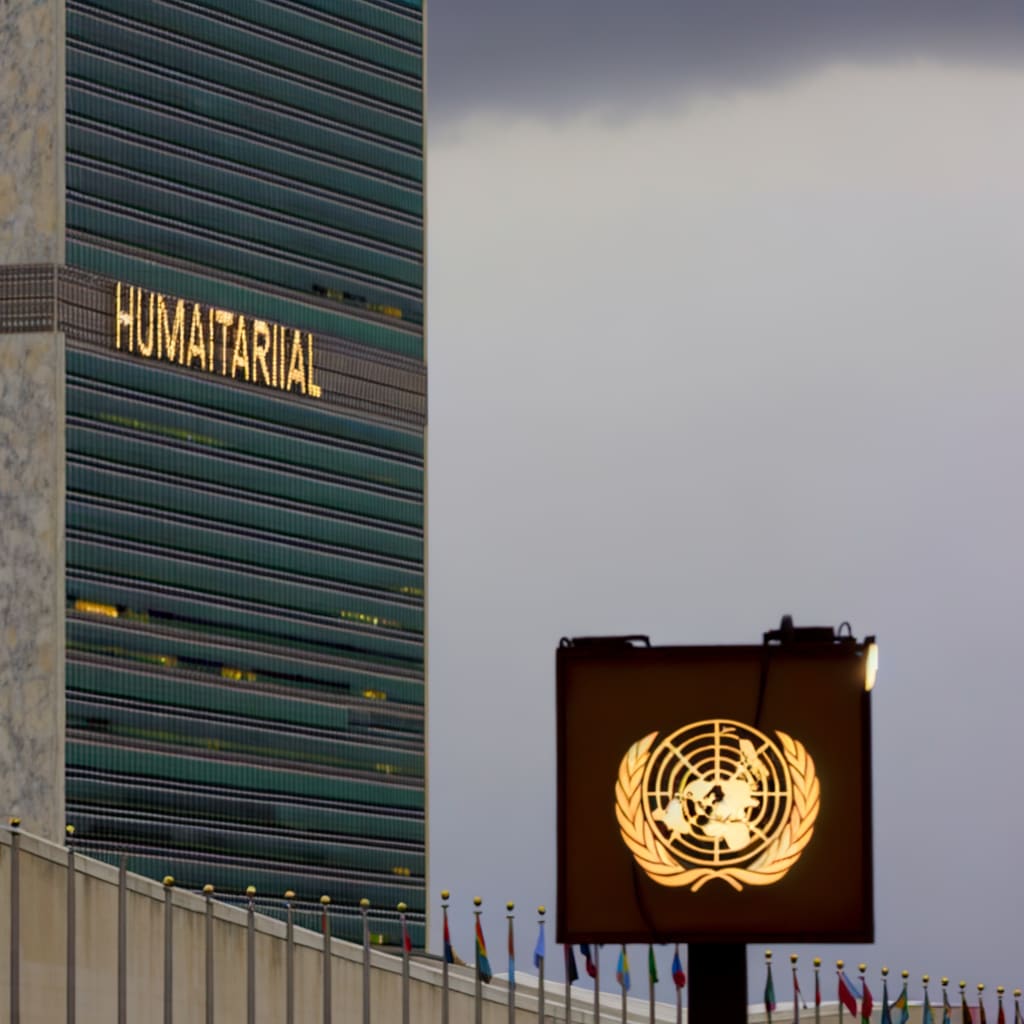
United Nations Slashes 2026 Emergency Aid Budget Amid Global Apathy
The United Nations (UN) has slashed its 2026 fundraising targets for humanitarian assistance by more than half, signaling a drastic reduction in foreign aid from major contributors like the United States and Europe. The UN Humanitarian Chief, Tom Fletcher, blamed this woeful situation on global apathy
towards widespread suffering and the escalating violations of international law.
Background and Context
The UN's decision comes after it received its lowest funding in a decade, with its annual aid appeal falling below 1% of global arms spending. The organization now faces the daunting task of prioritizing only the most desperate cases amid shrinking resources.
This is a time of brutality, impunity, and indifference,
Fletcher told reporters, condemning the ferocity and the intensity of the killing, the complete disregard for international law, horrific levels of sexual violence
he had witnessed on the ground.
Key Developments
The organization's 2026 appeal for humanitarian assistance seeks to raise $33 billion, a drastic reduction from previous targets. This fund aims to support 135 million people in crisis-stricken regions including Gaza, Sudan, Haiti, Myanmar, the Democratic Republic of Congo (DRC), and Ukraine.
Beyond the immediate impact of the aid cuts, a fundamental shift in the approach to aid is being advocated. Fletcher called for a radical transformation
of aid by reducing bureaucracy, boosting efficiency, and handing more power to local groups.
Implications and Reactions
The consequences of these funding cuts could be dire, particularly for Palestine, which requires an estimated $4 billion in aid. The UN's reduced budget is a stark indicator of the choices the organization is forced to make amid a climate of indifference and dwindling resources.
The UN's criticism of global apathy highlights the stark contrast between the world's military spending and its willingness to address humanitarian crises. The organization's aid appeal for 2026 stands at less than 1% of global arms expenditure.
Current Status and Conclusion
As it stands, the UN is on the brink of making brutal choices,
as it grapples with an era of brutality, impunity, and indifference.
The drastic reduction in funding targets underscores the critical need for a reevaluation of global priorities, with humanitarian needs at risk of being overshadowed by military spending.
The UN's struggle to secure adequate funding for its aid initiatives presents a stark reminder of the world's apathy towards suffering. As the organization prepares to navigate through these challenges, the call for a radical transformation
in the approach to aid resonates louder than ever before.