
Mexican Aid Arrives in Cuba Amid Deepening Economic Crisis
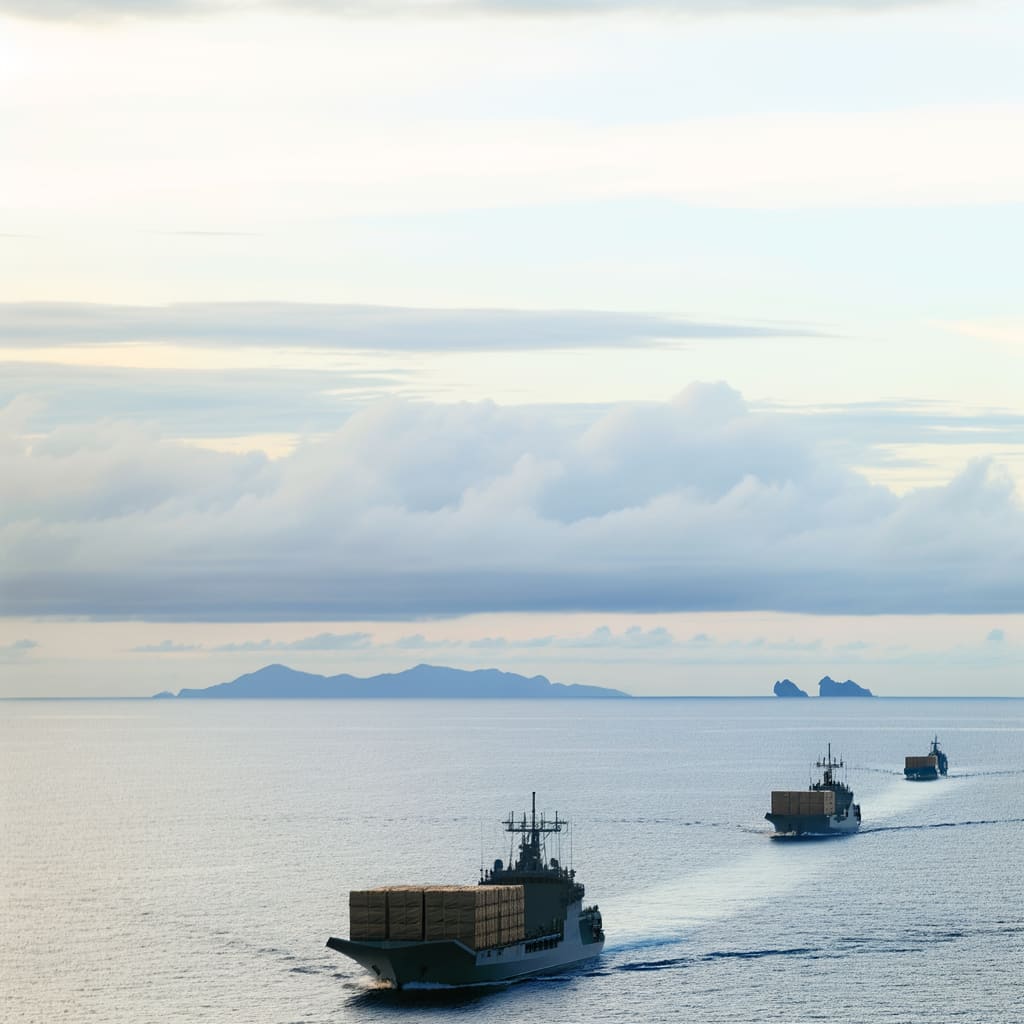
Two ships from the Mexican Navy, loaded with over 800 metric tons of humanitarian aid, docked at the Havana port on Thursday, signaling Mexico's commitment to supporting Cuba amidst a deepening economic crisis. This crisis has been exacerbated by a US-led oil blockade that has left the Caribbean island nation struggling to meet its energy needs.
The Context
The economic crunch in Cuba has been heightened by the pressure exerted by the Trump administration, which seeks to suffocate the country's economy. Following the overthrow of Cuban ally Nicolas Maduro, the US halted Venezuela's oil shipments to Cuba, resulting in widespread food and power shortages. The situation has been further aggravated by threats of tariffs on nations supplying oil to Cuba.
The US blockade has been deemed extremely concerning
by UN Secretary General Antonio Guterres, who warned that the situation could lead to a humanitarian collapse in Cuba. Cuban aviation authorities have also warned of an aviation fuel shortage due to the ongoing US energy embargo, causing airlines to adjust their flight programs and raising concerns over the impact on tourism.
International Response and Aid
In response to the crisis, Mexico sent two navy ships, the Isla Holbox and the Papaloapan, to deliver much-needed supplies. However, the aid did not include oil. Mexican President Sheinbaum has pledged to send more supplies upon the return of the vessels and has called for dialogue.
Russia, too, has expressed intent to provide material assistance to Cuba. While there isn't an immediate plan for coordinated action within the BRICS alliance, Russian Deputy Foreign Minister Sergey Ryabkov said various options remain on the table, depending on how the situation unfolds.
The Implications
The crisis has prompted fears of humanitarian effects. However, the Brazilian government does not see an imminent risk of regime collapse in Cuba. The perception among Brazilian officials is that there are no widespread manifestations of dissatisfaction among the Cuban population with the government.
Meanwhile, airlines have been forced to make adjustments due to the fuel shortage. Russia will temporarily suspend flights to Cuba after airlines reported difficulties refueling aircraft on the island, and airlines are adding refueling stops in countries such as Mexico or the Dominican Republic. This situation could potentially affect tourism.
Conclusion
As the situation in Cuba continues to worsen, the international community is closely watching for further developments. The Trump administration's endgame in Cuba remains unclear, whether it seeks a deal or the toppling of the current government. The humanitarian crisis continues, and more nations may need to step in with aid to prevent a complete collapse.