
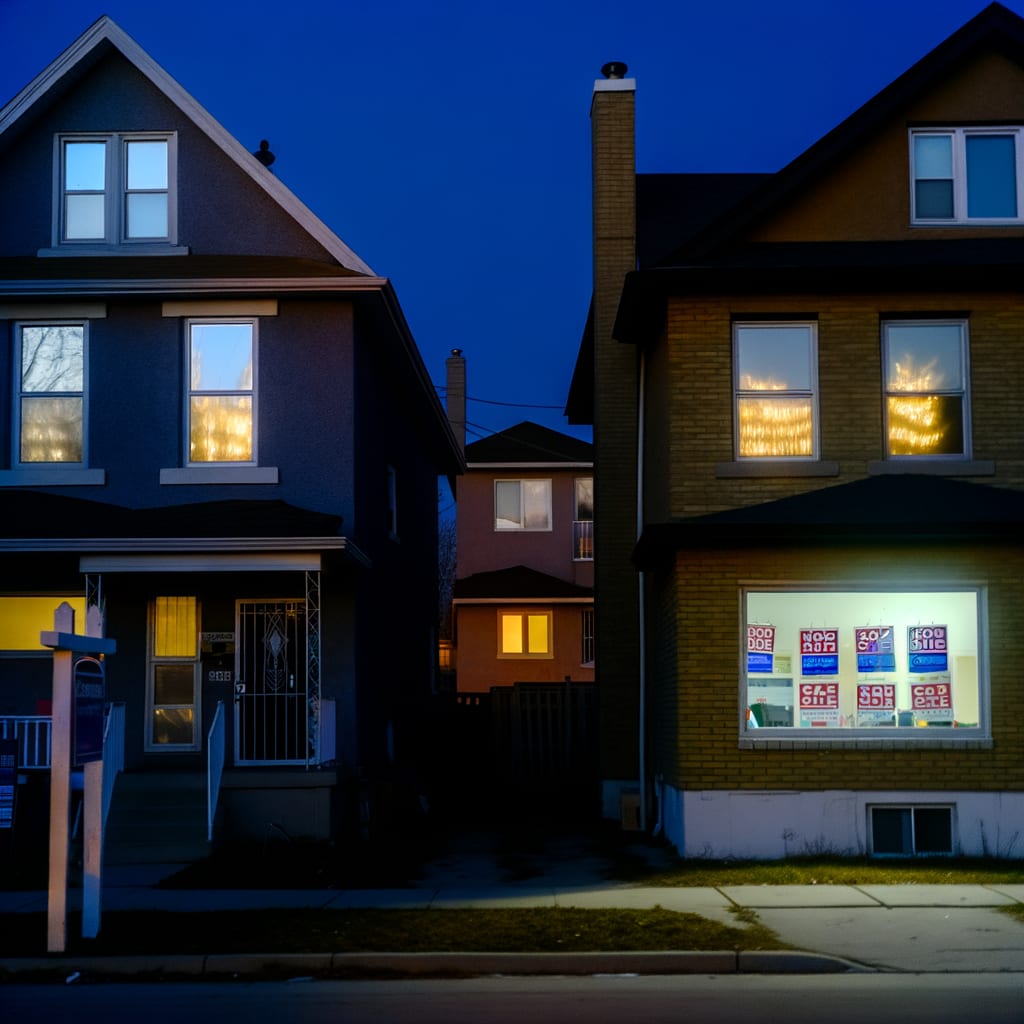
Rising Cost of Living in the US: Affordability Crisis Amid Economic Developments
Despite former President Donald Trump's claims of a robust economy, American workers are grappling with the rising cost of living, making it challenging to afford basic necessities, as reported by The Guardian. Compounding this issue is the escalating costs of car ownership due to rising vehicle prices, auto loan interest rates, insurance, and maintenance costs, as noted by the New York Times.
Background & Context
The affordability crisis stems from a combination of increasing prices and stagnant wages. While some states have taken steps to address this, such as the 19 states that raised the minimum wage, benefiting over 8.3 million workers according to a report from the Economic Policy Institute, income increases have struggled to keep pace with inflation. In New York City, for example, poverty has increased for the third consecutive year as the cost of basics like housing and food outstripped incomes and public benefits (New York Times).
Adding to the pressure on households is the rise in medical costs, which has led to more than one third of Americans reducing their spending or borrowing money for health care (New York Times).
Key Developments
The global economic landscape has also been affected by recent developments in the Middle East that have disrupted energy supply, causing the largest disruption in history, according to the International Energy Agency (Folha de S.Paulo). The Strait of Hormuz, through which 20% of global demand for hydrocarbons passes, has been largely closed, putting further pressure on oil prices.
Despite initial panic, the oil market showed signs of calming down, with the Brent barrel price dropping to USD$ 84. Contributing factors included the possibility of wealthy countries releasing petroleum from their strategic reserves and a partial resumption of traffic in the Strait of Hormuz.
Implications & Reactions
These macroeconomic trends are not only affecting the US. In the UK, the rising cost of living has been reflected in changes to the basket of goods used to calculate inflation, with alcohol-free beer making the list due to increasing sobriety (The Guardian).
In Japan, electronics unions have agreed to a pay scale increase to help workers cope with inflation (Japan Times).
Meanwhile, Australians are bracing for the double impact of soaring petrol prices and higher mortgage repayments, with the Reserve Bank expected to raise interest rates (The Guardian).
Conclusion
The affordability crisis in the US, characterized by rising costs and stagnant wages, persists despite efforts to raise the minimum wage in several states. The situation has been further complicated by increased energy costs due to recent events in the Middle East. As economies around the globe adapt to these changes, the impact on the cost of living continues to be a significant concern.