
UN General Assembly Adopts Landmark Climate Resolution, Developed Countries Exceed Climate Financing Targets
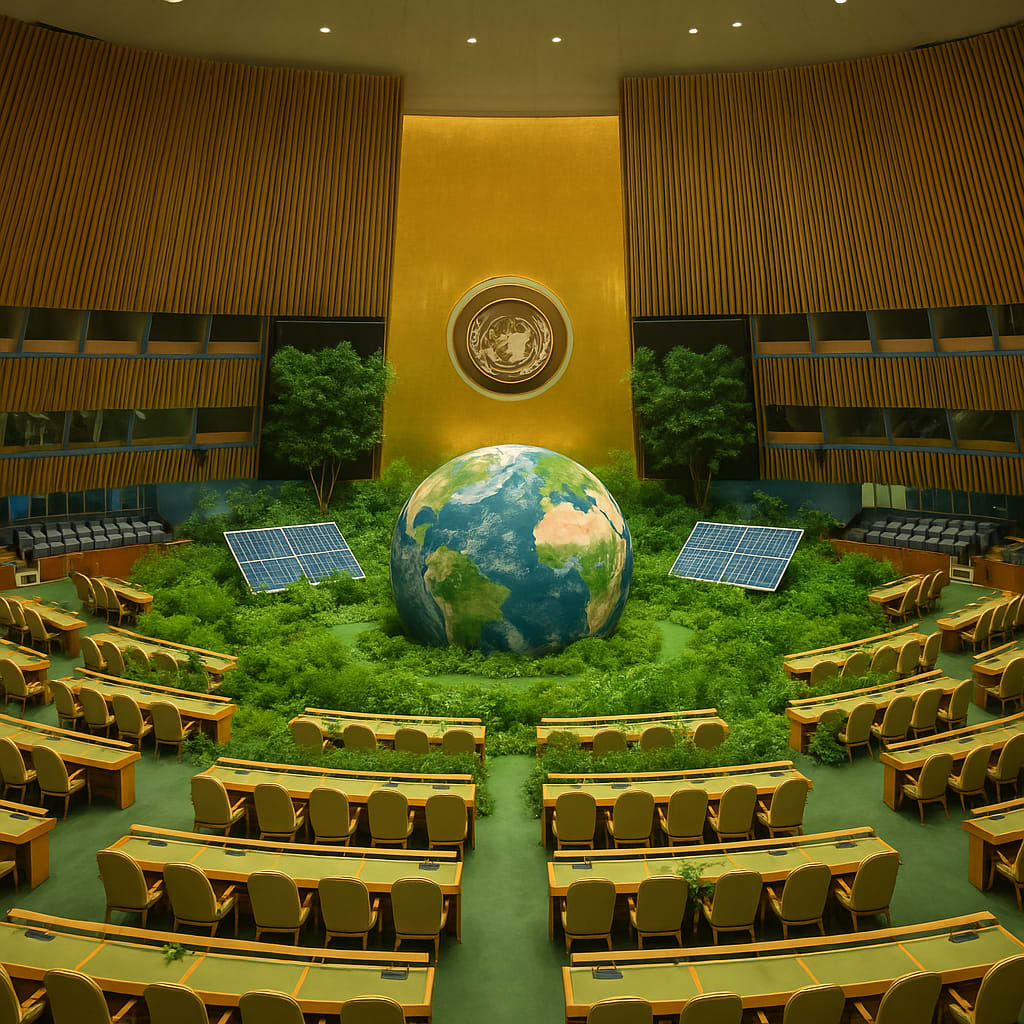
In an unprecedented move, the United Nations General Assembly (UNGA) has adopted a resolution recognizing climate change as an 'existential threat' and establishing legal obligations for nations to combat it. The resolution, backed by 141 member states, sets a new precedent in international climate policy and diplomacy.
A Global Response to the Climate Crisis
On Wednesday, May 20, 2026, the UNGA voted 141–8 to adopt the resolution endorsing the International Court of Justice's (ICJ) opinion on climate change. The resolution, known as A/80/L.65,
highlighted the legal obligations of countries to address climate change. Notably, the world's biggest historical emitter, the United States, was among the eight countries opposing the resolution, while 28 countries, including India and Tunisia, abstained.
The resolution was hailed by climate experts and diplomats alike. Vanuatu’s prime minister, Jotham Napat, cited it as the beginning of “a new chapter” in climate action, stating, “The task before all of us now is to translate legal clarity into meaningful action, stronger cooperation, and greater protection for present and future generations.”
Surpassing Climate Financing Targets
In a related development, developed countries have surpassed their climate financing targets for the third year running. The Organisation for Economic Co-operation and Development (OECD) reported that these nations allocated €118 billion to climate change aid for poorer countries, exceeding the annual target of at least USD 100 billion. This financial support is crucial in enabling developing countries to mitigate the impacts of climate change and transition to a sustainable, low-carbon economy.
Contrasting Reactions and Perspectives
While the UN's resolution and the financial commitment of developed countries were largely welcomed, there are contrasting reactions and perspectives around the globe. In Australia, job cuts at the national science agency CSIRO triggered concerns about the country's ability to provide climate projections for global reports. On the other hand, Hawaii is waging a legal war against energy companies, with lawsuits seeking billions for alleged climate-related harms.
Furthermore, the UK government is being urged to act swiftly to redress the unequal impact of climate change, with the risk of rising temperatures exacerbating existing disparities.
Concluding Remarks
The UNGA's adoption of the climate resolution marks a significant milestone in international law and climate diplomacy. Coupled with the increased financial commitment from developed countries, it underscores the global momentum towards tackling the climate crisis. However, the diverse reactions and challenges faced by different countries highlight the complex and multifaceted nature of the issue.