
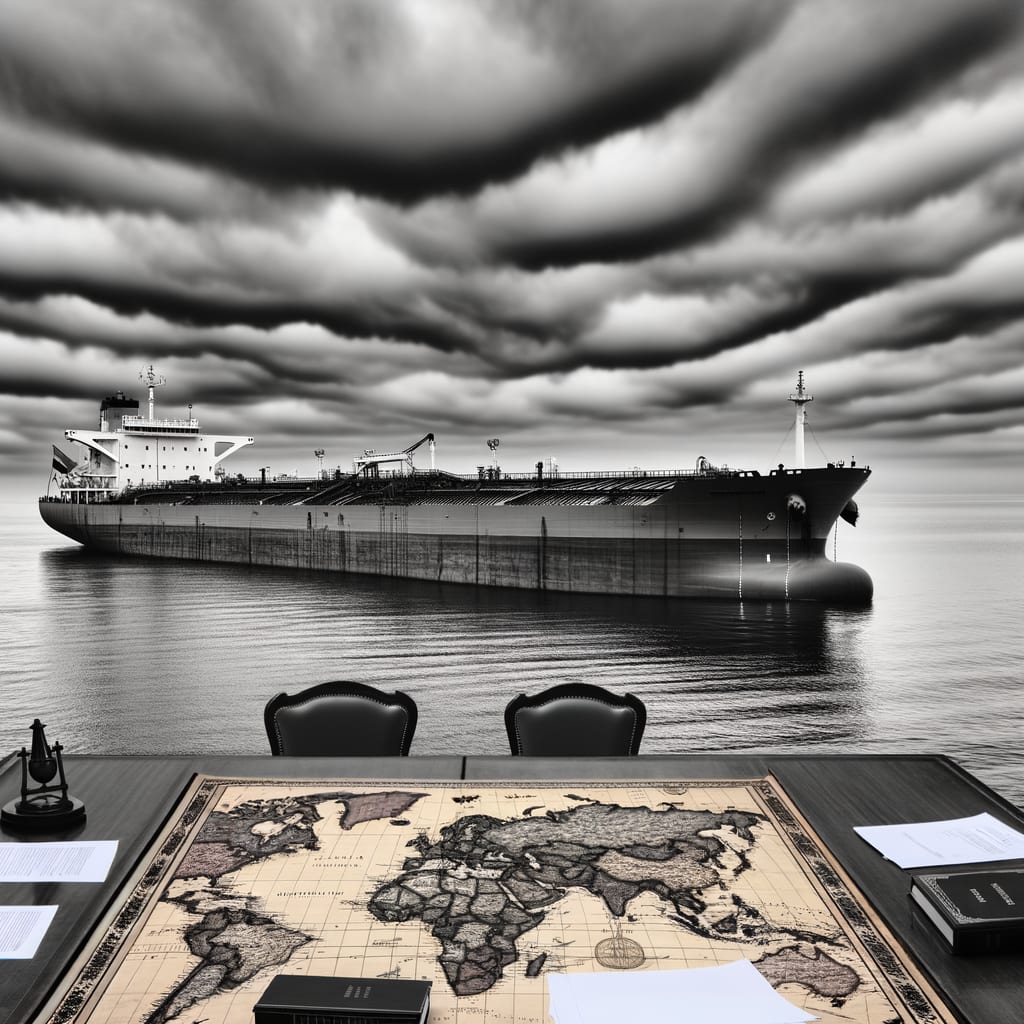
US-Iran Tensions Escalate as Iranian Oil Tankers Hit in Gulf of Oman
Tensions between the United States and Iran have escalated, following a series of attacks on Iranian oil tankers in the Gulf of Oman. The US Central Command (CENTCOM) confirmed the disabling of three Iranian vessels, including the Hasna tanker on May 6. The US military actions have prompted stern warnings from Iran and triggered a spike in global oil prices.
Background and Context
The US and Iranian naval forces have clashed in the Gulf of Oman and the Strait of Hormuz, a strategic waterway for global energy transport. The recent US actions are part of a naval blockade imposed to pressure Tehran into agreeing on its nuclear program. This blockade has resulted in a reported blockage of over 70 tankers from entering or leaving Iranian ports.
Simultaneously, Iran has seized a Chinese-owned vessel carrying crude and reportedly fired missiles and drones at the UAE. Iran's Revolutionary Guard denied any losses following the US claims of destroying six Iranian small boats and intercepting cruise missiles and drones.
Key Developments
Iran has responded with warnings against US adventurism
. Iranian Foreign Ministry spokesperson, Esmail Baghaei, condemned the recent US military action, criticizing the naive euphemisms
used by US President Donald Trump to describe the strikes as a light slap
. Baghaei further dismissed US messaging on the conflict and slammed disjointed, delusional tweets
.
In an even more defiant tone, Iranian MP Ali Hazarian recommended that Washington provide its destroyers with more auxiliary ships to save their crews after they are hit by Iranian forces. Iran has additionally warned it could target “American centres” across the region if its oil tankers come under attack.
Implications and Reactions
The heightened tensions have sparked global concerns, with oil prices rising as Brent crude futures rose to $105.45 a barrel and West Texas Intermediate crude climbed to $99.80 a barrel.
Iran's Islamic Revolutionary Guard Corps (IRGC) issued warnings against further interference with Iranian commercial vessels. The IRGC Navy stated any interference would be met with “violent attacks” against American military assets in the region.
President Donald Trump said the US will temporarily pause “Project Freedom”, the military operation guiding commercial ships through the Strait of Hormuz, citing progress being made toward a final agreement with Iran.
Current Status
Despite the pause in military operations, the US blockade remains in full effect. Trump issued a fresh ultimatum, telling Iran to accept a deal or face a new wave of US bombing “at a much higher level and intensity than it was before”.
The current situation in the Strait of Hormuz is reported as calm
, but an Iranian military source warned that tensions could quickly escalate if US forces return to the area. The escalating conflict continues to disrupt energy supplies and provoke international concerns about stability in the region.