
Israel's Ban on Aid Organizations in Gaza Sparks Fear and Controversy
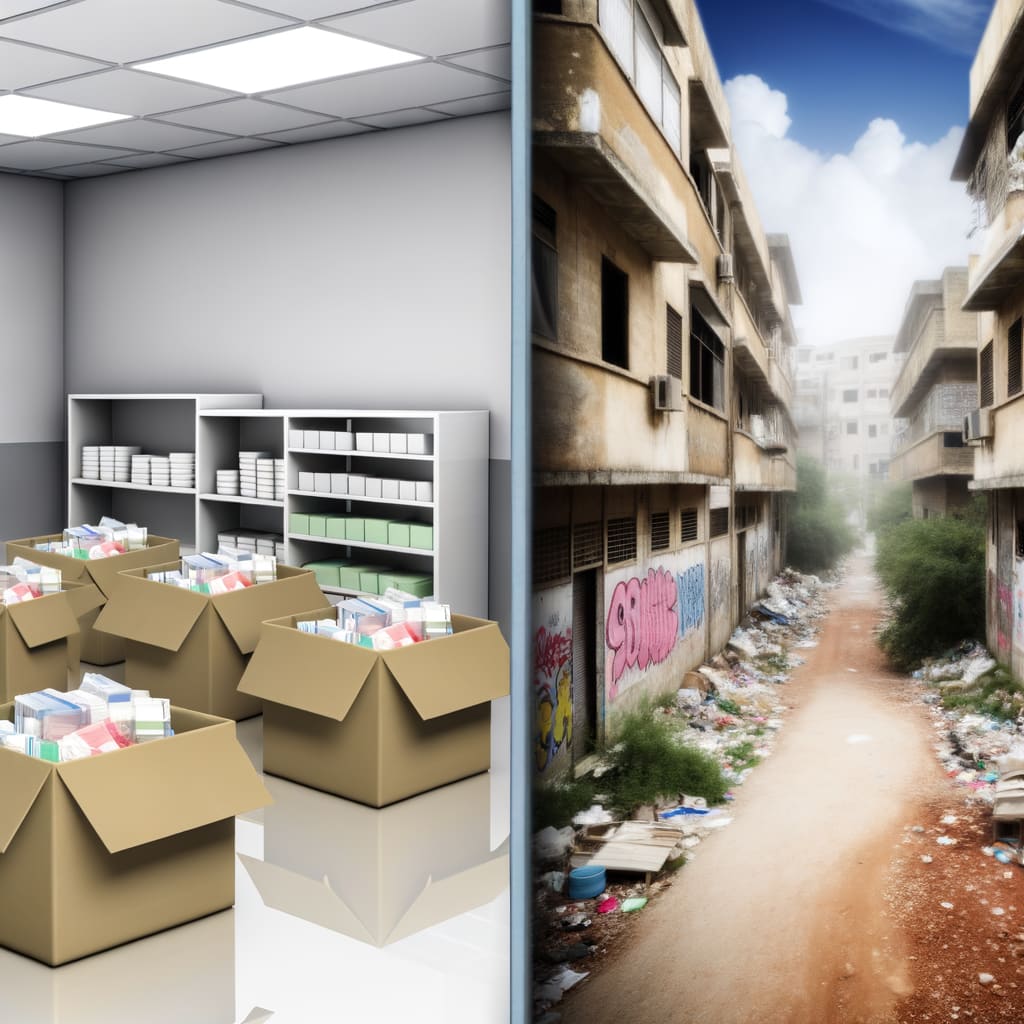
Tensions are rising as Israel's ban on 37 aid organizations, including Medecins Sans Frontieres (MSF), is set to take effect on March 1. The ban, announced last month, is due to these organizations' failure to provide detailed information on their Palestinian staff. This move could leave many patients in Gaza without essential care and has reignited debates on the humanitarian situation in the region.
A Dire Situation for Gaza Residents
At hospitals in Gaza, wards are filled with patients who fear being left without care if organizations like MSF are forced out. They stood by us throughout the war,
said 10-year-old Adam Asfour, highlighting the critical role of these aid organizations in the region. Meanwhile, the dire financial situation has forced UNRWA, the UN aid agency for Palestinian refugees, to lay off 571 workers who had been on its payroll till March last year.
The situation is further complicated by the ongoing violence and settlement expansion across the occupied West Bank, with a record number of Palestinians killed since the ceasefire. Amid this escalating violence, Palestinian families from the Bedouin town of Ras Ein el-Auja have been forced to flee their homes due to settler violence.
A Struggle for Survival Amid an Aid Crisis
Starvation and freezing conditions have become the grim reality for many in Gaza. Since November, four Palestinian babies have frozen to death as doctors battle power cuts and displaced families struggle to survive in flooded tents. Hunger strikes by activists, pushing beyond the medically estimated survival limit of 45 to 61 days without food, have become a desperate cry for help.
Despite the difficulties, the drive to survive, rebuild, and prosper remains strong. An urgent appeal to save the lives of Palestine Action hunger strikers has been issued by former hunger strikers from Ireland, Palestine, and Guantanamo Bay. They call on the UK government to take immediate action.
Political Developments and International Reactions
In the midst of this crisis, there have been significant political developments. Hamas has announced that it will dissolve its existing government in Gaza once a Palestinian technocratic leadership committee takes over, as part of a US-brokered peace plan. However, specifics of the transition remain unclear.
Israel's actions have sparked international controversy. Satellite images showing Israeli forces repositioning yellow cement blocks hundreds of metres inside Gaza's yellow line underscore the shifting geopolitical realities on the ground. Critics argue that Israel's harshest critics in Europe aren't driven by Islamism or antisemitism, but rather, diplomatic failures, national narratives, and virtue signaling.
Conclusion: A Region On Edge
As March 1 approaches, the situation in Gaza remains precarious. The ban on aid organizations, coupled with the escalating violence and harsh living conditions, presents a grave humanitarian crisis. As the international community watches, the resilience of the people of Gaza continues to be tested.