
Devastating Floods in Asia: Climate Change and Deforestation Worsen Disasters
A series of catastrophic floods and cyclones have wreaked havoc across Southeast Asia, killing at least 1,750 people and displacing millions. Experts link these events to climate change, which is exacerbating the devastation caused by these natural disasters.
Background and Context
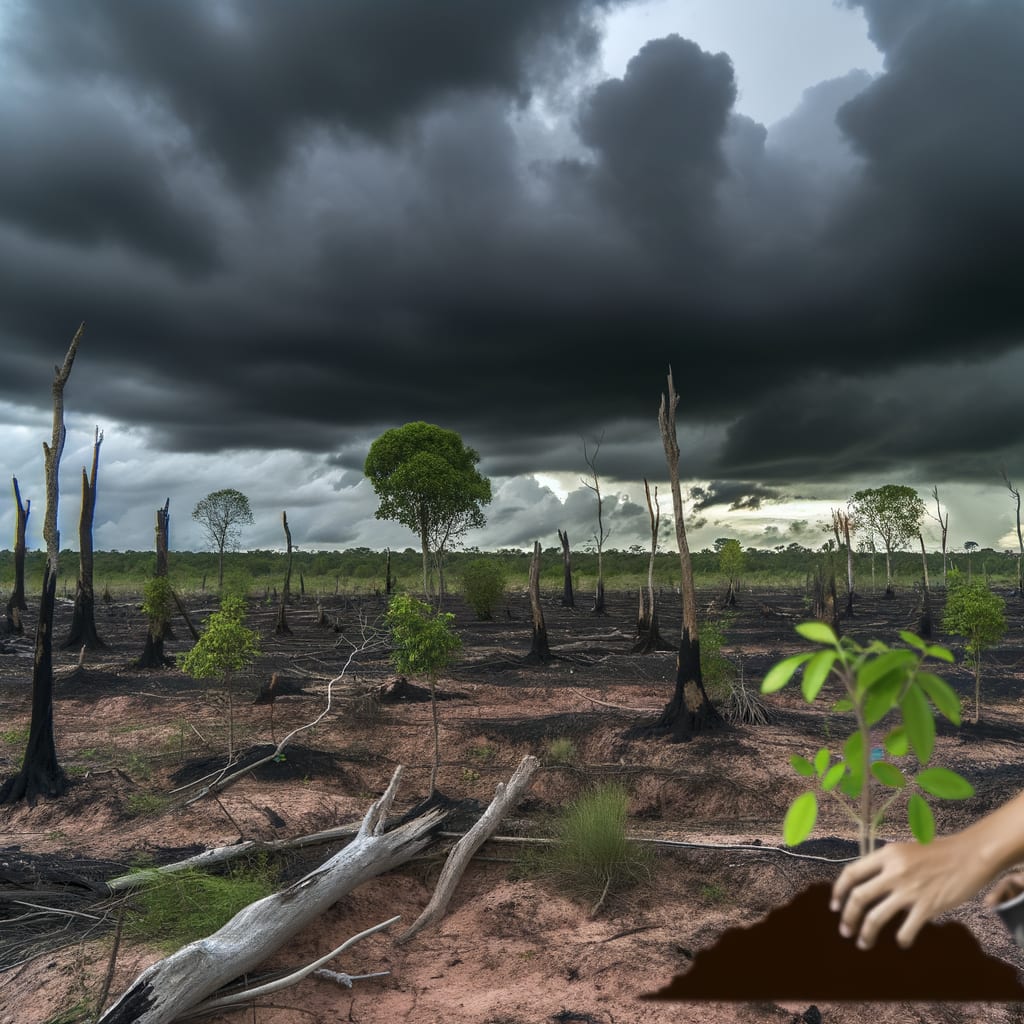
Recent monsoons in the Southeast Asia region, which saw deadly cyclones tear through Malaysia, Thailand, and Sri Lanka, have left hundreds missing, and prompted a significant humanitarian crisis. The floods in Indonesia's Sumatra Island were further aggravated by deforestation. According to a preliminary report by Le Monde, illegal logging activities have resulted in around 961 deaths, 293 missing, and displaced 1 million people.
Climate Change and Deforestation Worsen Natural Disasters
Scientists from the World Weather Attribution group and a rapid analysis released by Japan Times indicate that climate change and warmer Indian Ocean waters likely fueled the cyclones Senyar and Ditwah, making downpours more intense and floods worse. These storms were supercharged
by warming temperatures, causing destruction on an unprecedented scale.
Meanwhile, in Sumatra, survivors of the floods demand an end to monocultures, blaming deforestation and the rapid expansion of single agricultural species cultivation for worsening the floods and landslides. The local government plans to revoke the licenses of 20 logging companies, as reported by Folha de S.Paulo.
Global Reactions and Humanitarian Aid
In response to the crisis, Russia delivered 34 tons of humanitarian aid, including mobile power plants, pumping equipment, tents, and food, to Sri Lanka. President Putin expressed condolences to the Indonesian president over the floods, according to TASS.
However, the devastation has sparked fears of similar events occurring in other parts of the world too. The US Pacific north-west is preparing for heavy rain, with rivers in Washington predicted to rise close to record heights, as stated by The Guardian.
Implications and Future Actions
These events highlight the urgent need to tackle climate change and its devastating effects. The Daily Nation emphasizes that human activities are the main driver of climate change and urgent action is needed. As Al Jazeera English succinctly puts it, The cost of action is far less than the cost of inaction.
Conclusion
As Southeast Asia deals with the aftermath of these disasters, the question remains of how nations globally will respond to the ongoing climate crisis. The connection between these deadly weather events and climate change underlines the urgent need for effective climate solutions and sustainable practices. As the world continues to grapple with these issues, the words of New York Times ring true: We look at climate solutions across the country.