
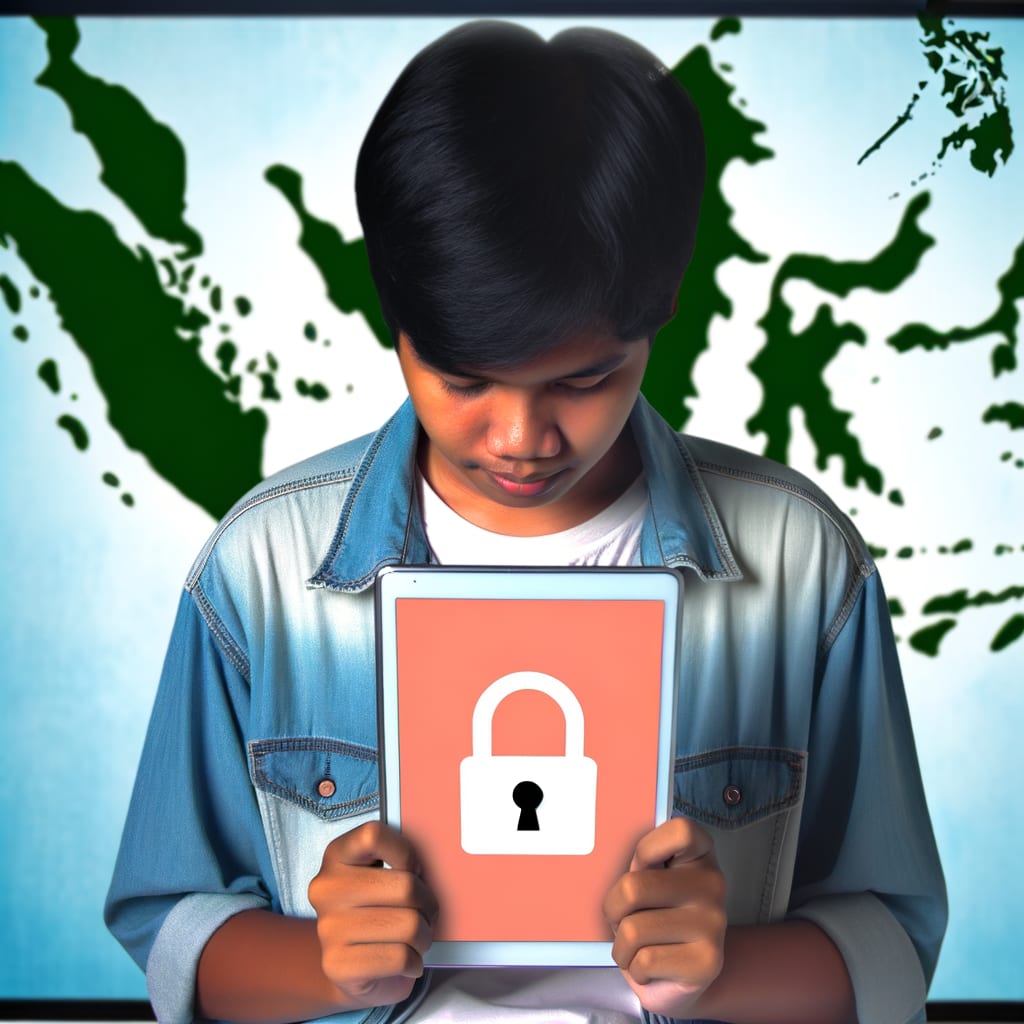
Indonesia Implements Under-16 Social Media Ban
Indonesia, the world's fourth most populous country, will enact a ban on social media for children under 16 starting March 28, according to Communications and Digital Affairs Minister Meutya Hafid. The regulation will prohibit access to platforms deemed high risk,
such as TikTok, Roblox, Instagram, and YouTube, among others. The move is seen as one of the region's most stringent attempts yet to curb children's exposure to harmful online content.
A Global Trend
The Indonesian ban follows similar decisions made in Australia and Spain last year, reflecting a growing global concern over the potential harm of social media on minors. These bans are seen as a considerable challenge to the long-term growth plans of global online platforms, particularly in countries like Indonesia and India, known for their youthful populations and expanding economies.
Protecting the Future
Our children face real threats,
Hafid stated, emphasizing the need to regain control of the future of our children.
The minister also expressed the desire for technology to humanize humans and not sacrifice our children.
The minister's announcement comes in the wake of increasing awareness of the potential dangers children face online, including online sexual exploitation.
The Details and Challenges of Implementation
While the ban is set to take effect at the end of March, specific details about how it would be implemented remain scarce. The government has signed a regulation that will gradually stop children under 16 from holding accounts on platforms deemed high risk. However, it's not clear how the restrictions will be enforced and whether they will effectively shield young users from potential online harm.
The Impact on Online Platforms
The ban represents a significant setback for social networks given Indonesia's large market. The country's population of about 285 million, the fourth-highest in the world, is a vital market for these platforms. The measures could potentially impact the long-term growth plans of these companies in countries with youthful populations and expanding economies.
Conclusion
As the debate surrounding the impact of social media on young users continues, countries like Indonesia are taking steps to curb access to these platforms for minors. While the effectiveness of such bans remains to be seen, they underscore the growing concern over the potential harm social media can inflict on children and adolescents. The world will be watching closely as Indonesia's ban takes effect, potentially setting a precedent for other nations grappling with similar issues.