
US Intervention in Venezuela: Maduro Captured and Oil Industry Revival
In a surprising turn of events, the United States, led by President Donald Trump, successfully executed a military operation in Venezuela, capturing dictator Nicolás Maduro. The operation highlighted the vulnerabilities of Venezuela's Russian-made air defense systems, which were reportedly offline during the raid. Following the capture, the Trump administration announced plans to revive Venezuela's oil industry and issued stern warnings to Cuba and Iran.
Background and Context
The US military operation marks President Trump's boldest interventionist move yet. It follows other major military operations by the Trump administration, including strikes in Syria and Iran in 2025. The operation in Venezuela, however, diverges from Trump's previous actions, as it seems to signal a long-term commitment to overseeing the country's revitalization.
Key Developments
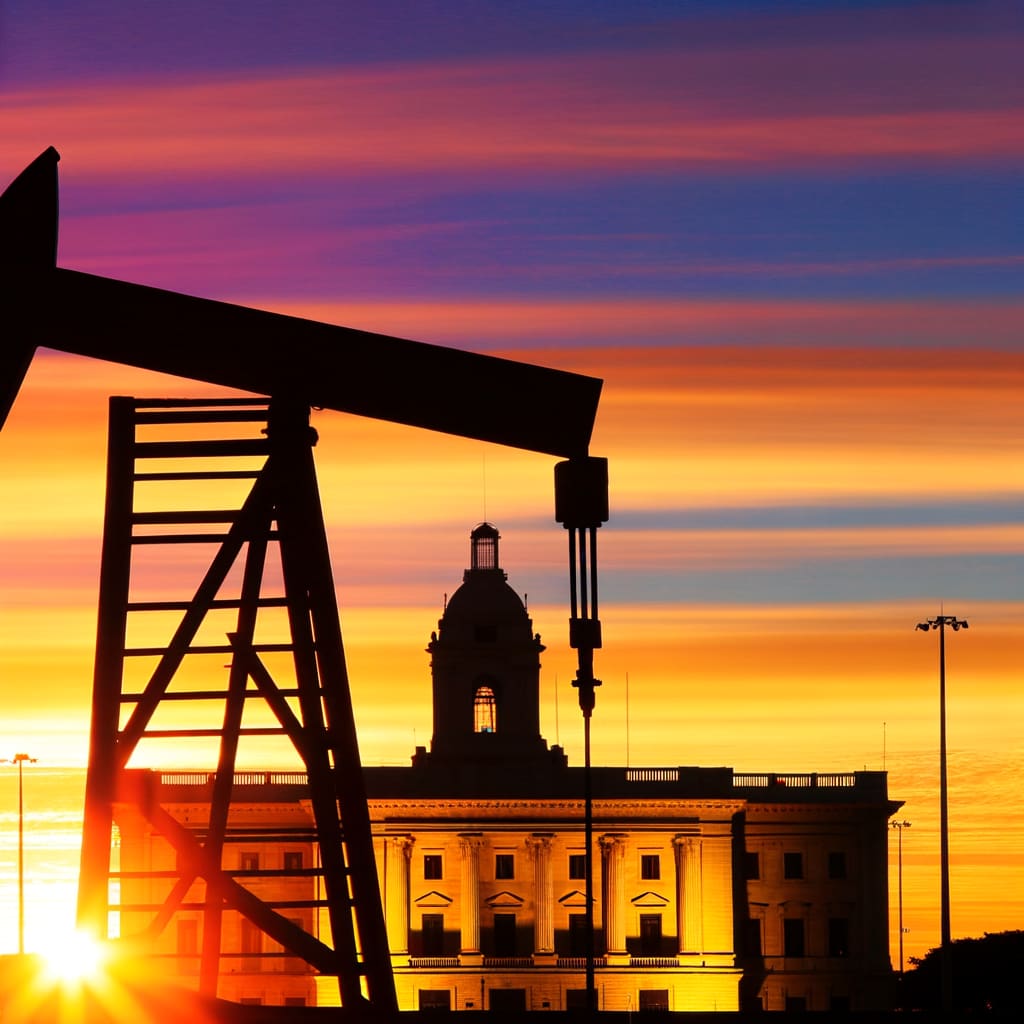
Post-operation, the US has brokered the sale of Venezuelan oil, worth hundreds of millions of dollars, to stabilize the country’s economy. This move aligns with Trump's aim to control and revive Venezuela's oil industry. SLB, the world's largest oil services company, is reportedly well-positioned to secure some of the first contracts related to Trump's plan.
The operation's success has been attributed, in part, to the surprising failure of Venezuela's advanced air defense systems, which were manufactured by Russia and were not connected to the radar during the US raid. There are also reports of a mysterious sonic weapon
used during the operation that incapacitated Venezuelan and Cuban security forces.
Implications and Reactions
The US operation has sparked global reactions. While the International Olympic Committee has chosen to remain uninvolved in the political conflict, there are concerns from some quarters about the limits of China's security promise in Latin America, given the strike on Venezuela, one of its closest partners.
The removal of Maduro and the US's subsequent management of Venezuela's oil industry has raised questions about Trump's interventionist foreign policy, with some critics calling it modern-day colonialism. Australia's former foreign ministers have even called for a reconsideration of their country's alliance with the US, citing Trump's fiercely unpredictable
actions.
Meanwhile, Trump has issued warnings to other nations. He told Cuba to make a deal
or face consequences, stating that no more Venezuelan oil or money would flow to the communist-run Caribbean island. Trump also hinted at potential military action against Iran, a move that is expected to be more challenging due to Iran's more sophisticated air defense system.
Current Status and Conclusion
Following the operation, President Trump has indicated that the US involvement in Venezuela will be much longer
than a year. He has also asserted that the US will make moves to acquire Greenland, to prevent Russia or China from gaining influence there. As the situation continues to unfold, the global community watches with bated breath, waiting to see the full impact of the US's intervention in Venezuela.