
Trump's 'Board of Peace' Convenes for Inaugural Meeting Amid Controversy and Threats
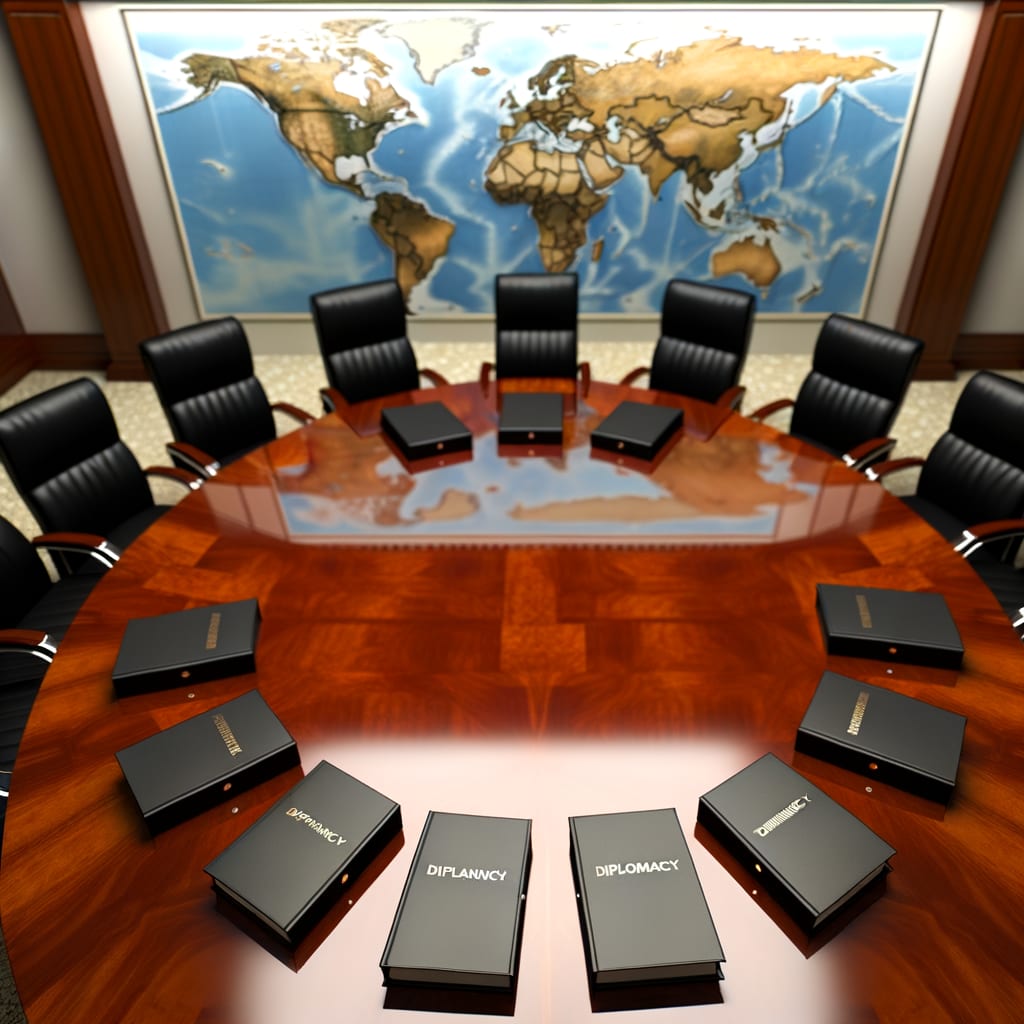
US President Donald Trump convened the inaugural meeting of his new diplomatic venture, the 'Board of Peace', in Washington, DC today in an attempt to broker peace in war-torn regions like Gaza. The meeting, which saw participation from 27 world leaders, including three from Southeast Asia, was however not without its share of controversy.
Background and Context
The Board of Peace, an initiative announced by President Trump, aims to bring an end to conflicts in troubled regions, with its immediate focus on the reconstruction of Gaza. The organization's structure gives Trump nearly absolute powers, including the ability to invite members, veto decisions, and create or dissolve subordinate organizations. This has sparked concerns among global powers who fear this could lead to the US bypassing the more democratic United Nations.
Key Developments
At the meeting, Trump announced plans for a symbiotic relationship between the Board of Peace and the UN, with the US providing financial support to the global organization and helping modernize its infrastructure. He also revealed that the US would be contributing $10 billion to the Board of Peace, an amount he equated to the cost of two weeks of fighting.
In addition to the US contribution, members of the Board pledged $5 billion for Gaza reconstruction. Trump also announced that Norway would host a meeting on Palestinian aid, and joked about his expectation of receiving the Nobel Peace Prize.
Despite the pledges and the presence of several world leaders, key Western powers including major European allies, declined to join the Board of Peace. The EU's head of foreign policy, Kaja Kallas, warned that the Board was a personal vehicle for President Trump that removed any accountability to Palestinians or the UN.
Reactions and Implications
The formation of the Board of Peace has been met with mixed reactions. While the Hungarian Prime Minister, Orban, hailed it as necessary due to the failure of other organizations to maintain global peace, there were demonstrations by pro-Palestinians outside the headquarters in Washington DC and bitter disputes between Europe and the US over the future of Gaza.
Trump's threat of bad things
happening if Iran did not reach a nuclear deal added to the tension around the meeting. This, coupled with the absence of Palestinian political representation in the board, has raised questions about the effectiveness of the organization and its ability to make a meaningful impact.
Current Status
Despite the controversies and criticism, Trump remains optimistic about the Board of Peace, stating that all countries invited will eventually join. As the world watches, the president's new diplomatic venture is set to face significant challenges and scrutiny in the coming days.