
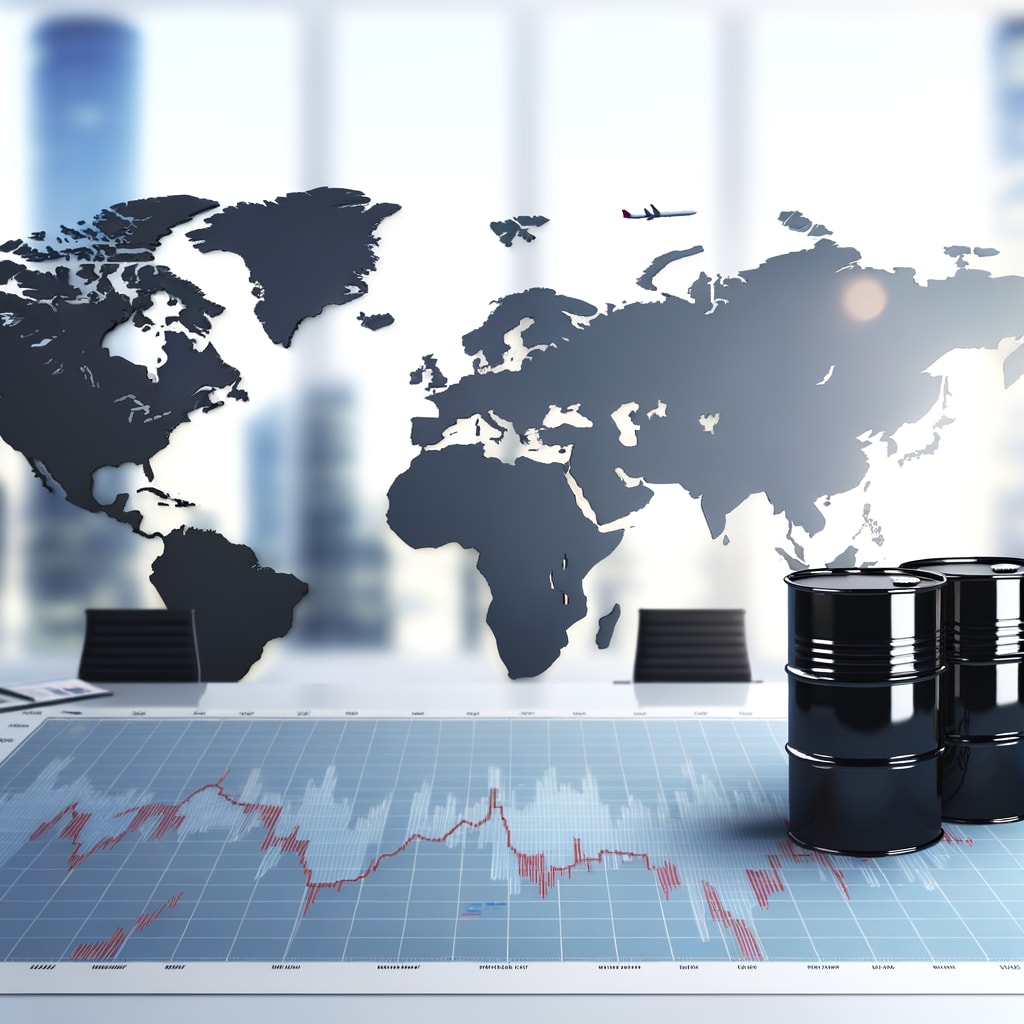
Oil Prices Surge Amid Middle East Crisis, Global Economies Braced For Impact
The Middle East crisis has triggered a dramatic surge in oil barrel prices, with the cost per barrel soaring over $100, marking the highest increase since the onset of the pandemic. This escalation is attributed to the war in the Middle East and the blockade of the Strait of Hormuz leading to disruptions in global energy supplies. The burgeoning conflict has sparked fears of potential oil shortages and consequential economic damage worldwide.
Background and Context
The escalating conflict in Iran has led to a steep rise in gasoline and diesel prices, making transportation more expensive, and subsequently driving the cost of common consumer goods higher. This inflationary pressure reduces purchasing power, slowing economies across the globe. Nations highly exposed to rising oil and gas costs, especially in Asia, are taking steps to mitigate the economic damage.
Global Repercussions and Key Developments
The price of crude oil, a significant determinant of global energy prices, has seen a dramatic increase, crossing the $100 per barrel mark. This has resulted in a ripple effect, causing a surge in global energy prices and impacting various sectors of the economy. From California, where the average price of regular gasoline increased to $5.20 per gallon, to Ukraine, where diesel prices reached $1.64 per liter, the impact is being felt by consumers worldwide.
In response to the crisis, oil companies are preparing to implement uniform price increases at the pumps to avoid sudden hikes that could further fuel inflation. Meanwhile, finance ministers of the G7 nations are holding emergency discussions on the potential use of strategic oil reserves to stabilize energy markets.
Economic Implications and Reactions
The rise in oil prices is causing widespread concern among various economic sectors. The airline industry, particularly in Asia, is considering fare hikes and groundings due to increased fuel costs. Similarly, the farming sector in Canada is worried about the surge in fertilizer prices, which could lead to a rise in food prices.
In the face of the crisis, consumers are rushing to fill up their tanks, leading to panic buying in countries like Sri Lanka and Thailand. Governments are responding by taking measures such as price caps, rationing, and stockpiling in anticipation of oil shortages.
Conclusion and Current Status
While there are signs of the oil price decline following President Trump's comments on lifting some sanctions on oil producers, the situation remains volatile. With the crisis in Iran persisting, experts predict that high oil prices will likely continue until the situation in the Strait of Hormuz normalizes. Amid the uncertainty, the global economy braces for potential shocks from the ongoing crisis.