
Israel's Actions Threaten International Peace, Says Saudi Arabia and Qatar
Saudi Arabia's Foreign Minister, Faisal bin Farhan, and Qatari Emir Sheikh Tamim bin Hamad Al Thani have both accused Israel of actions that undermine regional and international stability. They argue that Israel's aggressive actions, particularly the recent attack on Doha, are a direct threat to peace in the region. Both leaders made their remarks amid a backdrop of escalating tensions in the Middle East.
Background and Context
These accusations come as Israel continues its aggressive practices in the region, with the recent attack on Doha being the most recent example. Speaking at a conference co-chaired by Saudi Arabia and France, Bin Farhan noted that the Israeli occupation authorities continue their aggression and their brutal crimes against Palestinians in Gaza. He thanked President Emmanuel Macron and United Nations chief Antonio Guterres for recognizing the state of Palestine and said that a two-state solution is the only way to achieve a just and lasting peace.
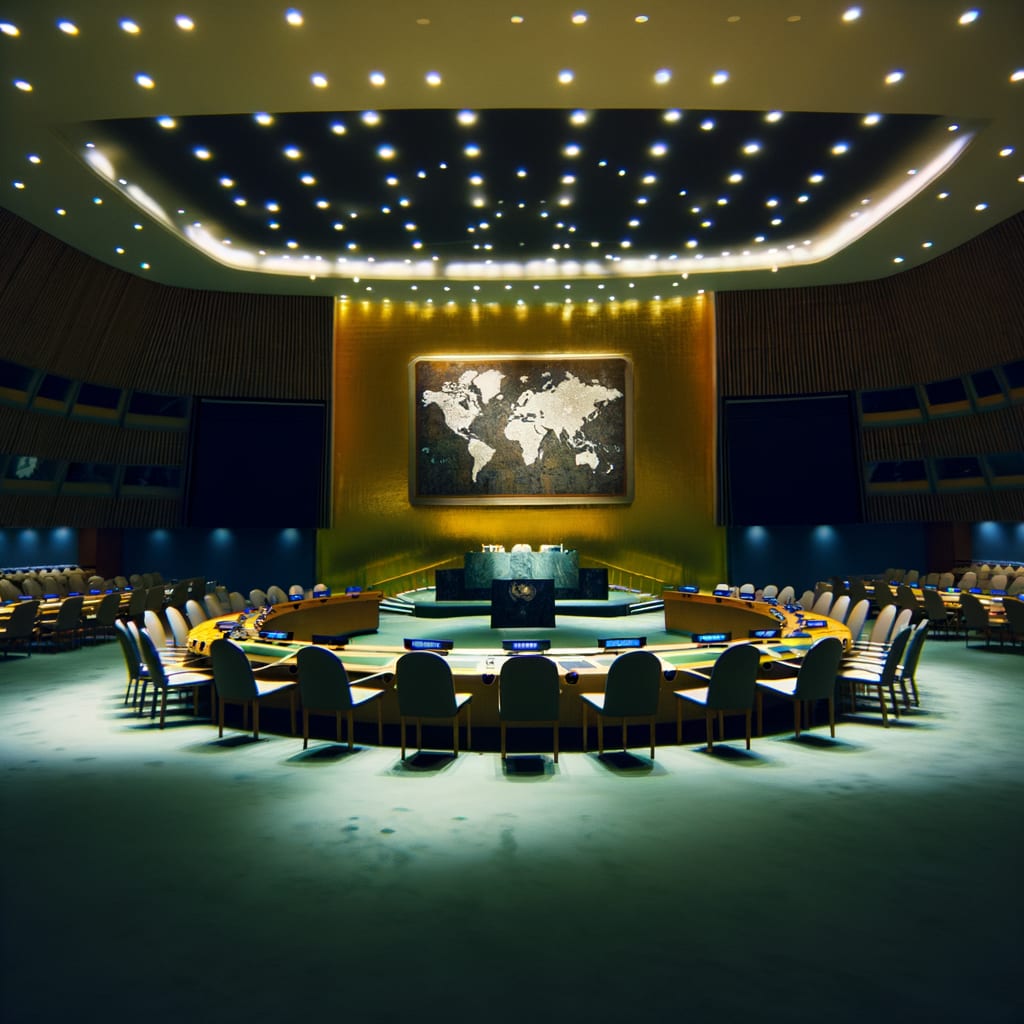
Sheikh Tamim, speaking at the United Nations General Assembly, condemned the Israeli attack on Doha, calling it a blatant violation of international norms and constituting state terrorism
. He accused Israel of undermining diplomatic efforts to end the genocide in Gaza and of attempting to turn Gaza into an uninhabitable territory.
Key Developments
In his speech to the United Nations General Assembly, Sheikh Tamim accused Israel of committing genocide against Palestinians and attempting to derail talks on a ceasefire in Gaza. He stated, They [Israel] negotiate with delegations and plot to assassinate the members of the negotiation teams... They consider negotiations a continuation of war by other means.
Saudi Arabia's representative to the United Nations also called on the Security Council to activate accountability measures against the Israeli government's recklessness, stating, The situation in Gaza is dangerous and Israel threatens to expand the conflict. Common sense would not accept targeting Qatar while it was mediating to end the war.
Reactions and Implications
The situation has elicited strong reactions from various parties. Hezbollah Secretary-General Sheikh Naim Qassem stated that the weapons of the Resistance are aimed at the Israeli regime, not Lebanon, Saudi Arabia, or any other country.
Meanwhile, other countries have expressed their concern over the situation. Ahmet Davutoglu, the former prime minister of Turkey, made an urgent appeal to the United Nations to act urgently on Gaza or risk collapse. He described the situation in Gaza as a catastrophe that defies humanity.
Conclusion
The international community remains divided on the issue. While some, like Indonesia, insist on respecting Israel's security, others accuse Israel of genocide and violations of international law. As tensions continue to escalate, the world watches closely, waiting to see how the situation will unfold.