
Trump Meets Venezuelan Opposition Leader Amid Tensions in Latin America
In the midst of a tense geopolitical landscape, US President Donald Trump has announced plans to meet with Venezuelan opposition leader Maria Corina Machado, following a series of US-led attacks that resulted in the capture of Venezuelan president Nicolás Maduro. Concurrently, Trump continues to threaten land strikes against drug cartels in Latin America, raising concerns of further instability in the region.
Background
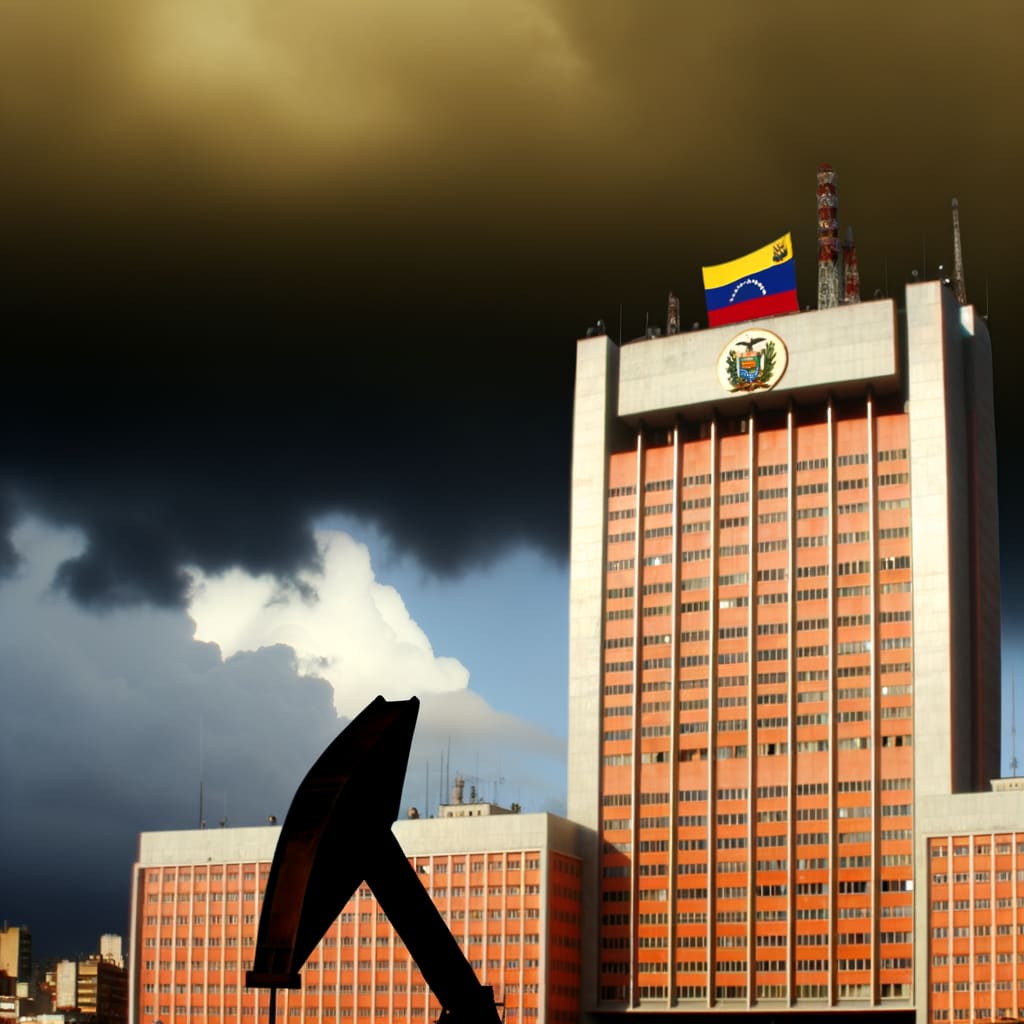
Earlier this month, US forces conducted a raid in Venezuela leading to the imprisonment of Maduro and his wife. The US has accused Maduro of leading the so-called Cartel de los Soles, charges which he has denied. This move has been seen as an attempt by Trump to control and revive Venezuela's oil industry, despite critics labeling it as modern-day colonialism.
Meeting with Machado
Trump's decision to meet with Machado marks a notable shift in his previous stance. The US president once dismissed Machado, stating she did not have the respect or support within Venezuela to lead. This dismissal was allegedly linked to Machado's acceptance of the 2025 Nobel Peace Prize, which Trump believed he deserved. However, Trump later clarified that her acceptance of the prize had nothing to do with his decision about the prospect of her leading Venezuela.
Threats to Drug Cartels and Other Nations
Alongside these developments, Trump has threatened to launch land attacks against drug cartels on Mexican soil. This comes after the US has already conducted strikes against maritime vessels in the Caribbean and the Pacific in an attempt to combat drug trafficking.
Trump has also warned Venezuela's interim leader, Delcy Rodríguez, to cooperate with the US or face potentially worse consequences than Maduro. Furthermore, he has issued ominous warnings to other Latin American countries, including Colombia, Cuba, and Mexico, raising questions about where Trump might strike next.
Reactions and Implications
The detention of Maduro and subsequent developments have been met with mixed reactions globally. Some believe Maduro will emerge as an enduring political symbol similar to Simon Bolivar, Fidel Castro, and Che Guevara. On the other hand, others are concerned about the potential downstream effects of the US's actions on Latin America and its leaders.
The US's decision to intervene in Venezuela has also raised questions about the future of the nation's oil industry, with some analysts drawing parallels with Iraq where oil production took years to recover.
Current Status
As it stands, the future governance of Venezuela remains an open question. While Trump plans to meet with Machado, he has also warned Venezuela's new leader to comply with US demands or face more military action. Amid these tensions, the US continues to issue threats against other nations in Latin America, signaling a potentially volatile period in the region's history.