
North Korea's Kim Jong Un Signals Shift in Leadership and Nuclear Policy
In a series of significant developments during the Ninth Congress of the ruling Workers' Party, North Korean leader Kim Jong Un has reportedly appointed his teenage daughter, Kim Ju-ae, to a leadership role within the Missile Administration. This move, along with his renewed commitment to expanding the country's nuclear arsenal, signals a potential shift in North Korean leadership and policy.
Context and Background
The Ninth Congress of the Workers' Party, a gathering that lays out the state's strategic plans, is held only once every five years. It's a high-stakes event that saw 5,000 delegates and 2,000 observers in attendance. During the congress, Kim Jong Un was reelected as the party's general secretary, reflecting the unanimous desire
of party members, the military, and the public, according to the Korean Central News Agency.
Key Developments
Kim Jong Un's daughter, believed to be 13 or 14 years old, was reported by South Korean media to be acting as a missile general director
within the Missile Administration. This move is seen by many as an indication of Kim Jong Un's succession plans, although some argue that gender politics could obstruct her path to power.
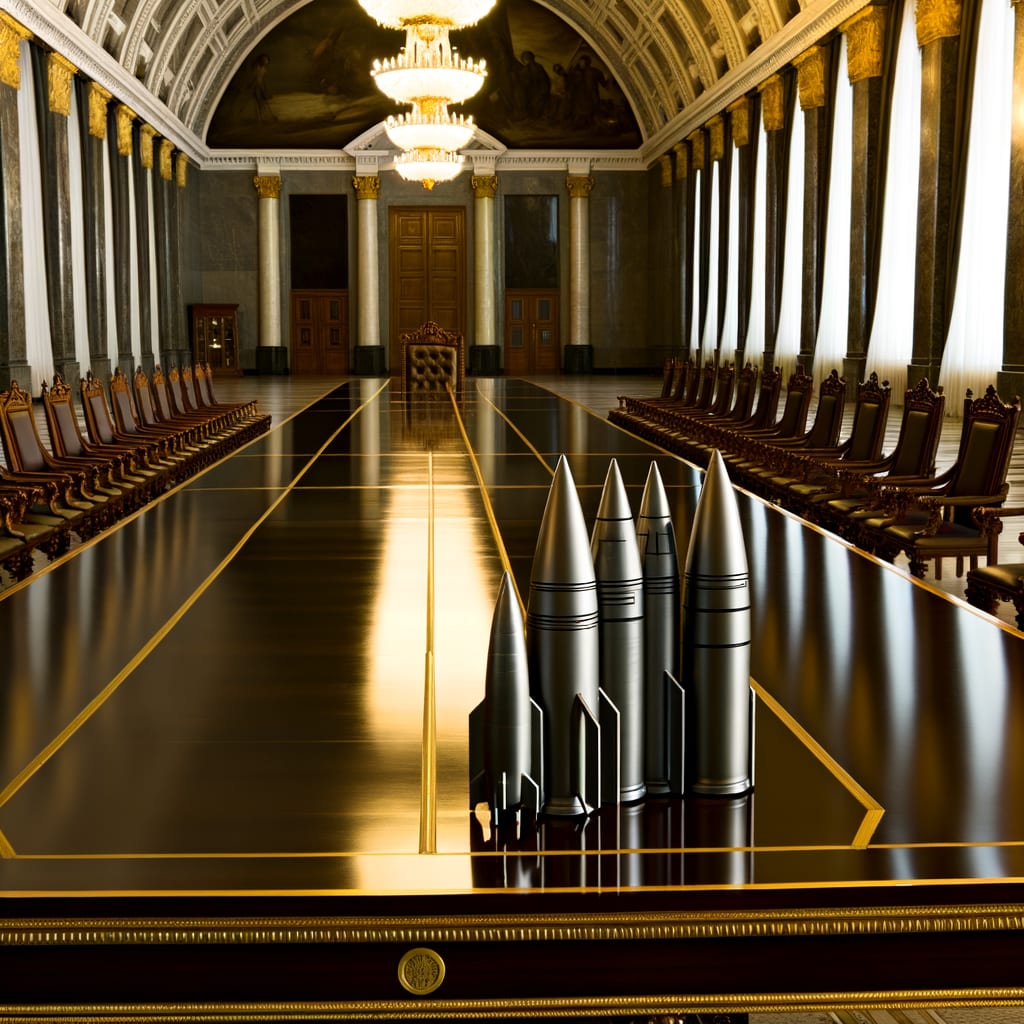
Meanwhile, Kim Jong Un outlined a new five-year military development plan, the “Haekpangasoe” system, aimed at bolstering North Korea's nuclear capabilities. Kim declared North Korea's nuclear-armed status as “irreversible and permanent,” promising to increase the number of nuclear weapons and expand the means and space for nuclear operation. Work on new secret weapons, including intercontinental ballistic missile systems and AI-powered unmanned attack systems, was also announced.
Implications and Reactions
These developments come at a time of uncertain relations between North Korea and the United States. Kim Jong Un stated that the prospects of North Korea-US relations hinge entirely on the attitude of the United States,
suggesting Pyongyang was prepared for both “peaceful coexistence or eternal confrontation.” Kim Jong Un also signaled a hardened stance towards South Korea, labeling it as the 'most hostile enemy' and threatening to completely destroy
it if felt threatened.
China and Russia were among the nations that congratulated North Korea on the conclave of its ruling party. China’s Communist Party hailed the economic achievements under Kim Jong Un's leadership and pledged to work with Pyongyang to promote regional peace.
Conclusion
As the Ninth Congress of the Workers' Party concludes, many questions remain unanswered regarding North Korea's future leadership and its nuclear policy. The recent developments signal a significant generational shift within the regime, with Kim Jong Un's old mentors and advisors stepping aside to make room for new prospects. As the international community continues to monitor the situation, the implications of these changes on regional and global security remain to be seen.