
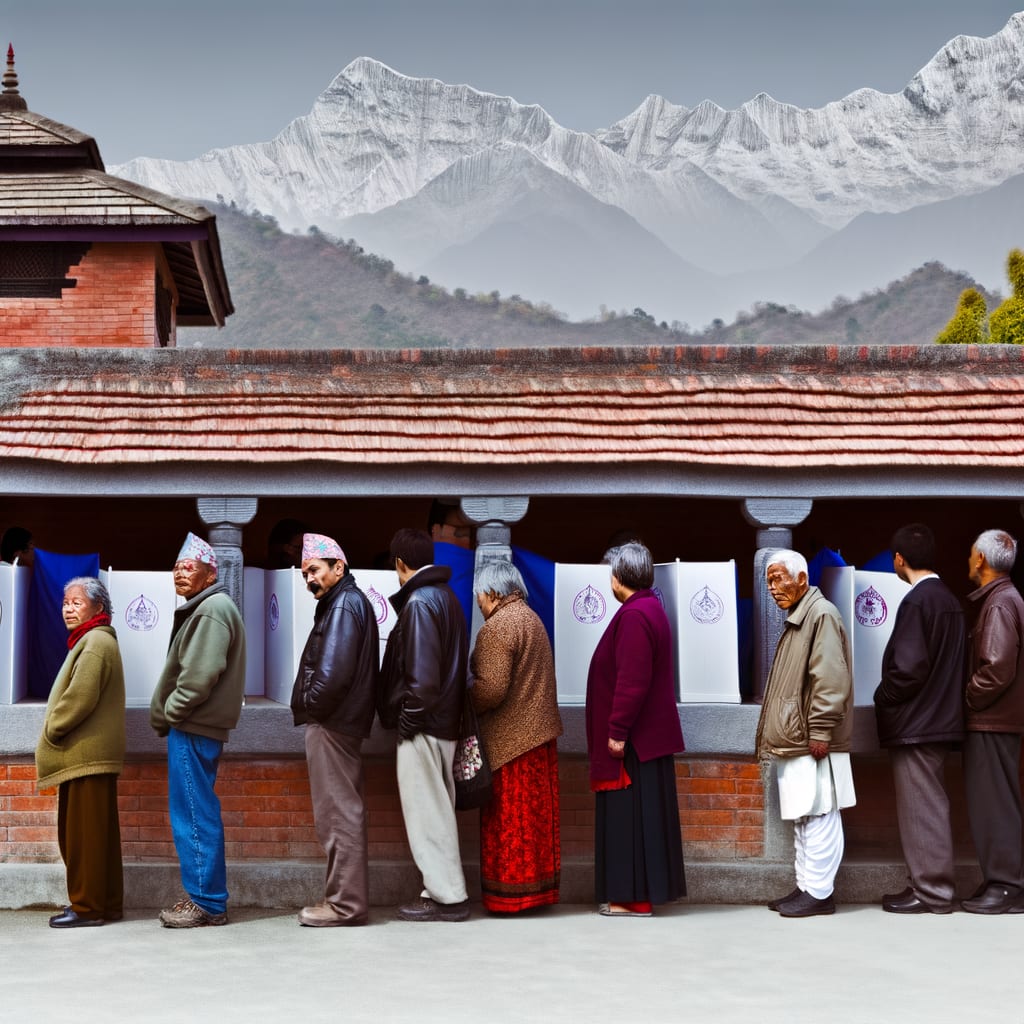
Nepal Goes to Polls: A High-Stakes Showdown Between Old Guard and Youth Movement
Nepal is witnessing a landmark election on March 5, 2026, as the nation votes in the first general election after a youth-led uprising last year toppled the previous government. The election, which comes six months after historic protests, is seen as a crucial face-off between the entrenched old guard and a powerful youth movement.
Background and Context
The election has been triggered two years early following a youth-led revolution that resulted in the fall of the government, 77 deaths, and set Nepal on a new course. The past year's Gen Z protests against unemployment, corruption, and inequality, prompted by a social media ban, swept the nation and led to the resignation of then Prime Minister K.P. Sharma Oli. An interim administration, led by former Nepalese Chief Justice Sushila Karki, has been in control since then.
Key Contenders and Developments
The key figures contesting this election include the former Marxist prime minister seeking a return to power, and Kathmandu's former mayor, Balendra Shah. Shah, a 35-year-old rapper-turned-politician, has become a popular figure among young voters, embodying their hope for change. On the other hand, the 74-year-old deposed Prime Minister Khadga Prasad Sharma Oli is seen as the embodiment of the old guard, scorned by the same youth who were suppressed during the September riots.
Nearly 19 million voters are eligible to cast their votes to elect 275 lawmakers. Apart from the Nepali Congress party and the Communist Party of Nepal (Unified Marxist-Leninist), new political outfits are also in the fray, reflecting the changing political landscape of the nation.
The Stakes and Implications
This election is expected to restore constitutional order and bring the democratic process back on track after the upheaval caused by the Gen Z protests. According to Nepal's interim Prime Minister Sushila Karki, the elections are crucial for 'determining our future'.
The youth vote is expected to play a decisive role amid a strong anti-incumbency sentiment. The election will also test the political relevance of veterans such as Pushpa Kamal Dahal Prachanda and K.P. Sharma Oli against the rising popularity of new-age leaders like Balendra Shah.
Conclusion: A Nation at the Crossroads
As Nepal goes to polls, the nation stands at a crucial crossroads, choosing between the established political order and a new wave of youthful optimism. The result of this election will not only determine the immediate political future of Nepal but also set the tone for its socio-political discourse in the years to come. As the counting begins post the closure of the ballot boxes, Nepal eagerly awaits the outcome, and with it, the direction its democracy will take.