
Protests in Iran Intensify Amid Economic Crisis, Leading to Civilian Deaths and Global Concern
Iran is experiencing its largest wave of protests since 2022, with demonstrations rapidly spreading across the country. Sparked by economic hardships, the unrest has resulted in multiple civilian deaths, increased repression from security forces, and has drawn international attention and concern.
Background and Context
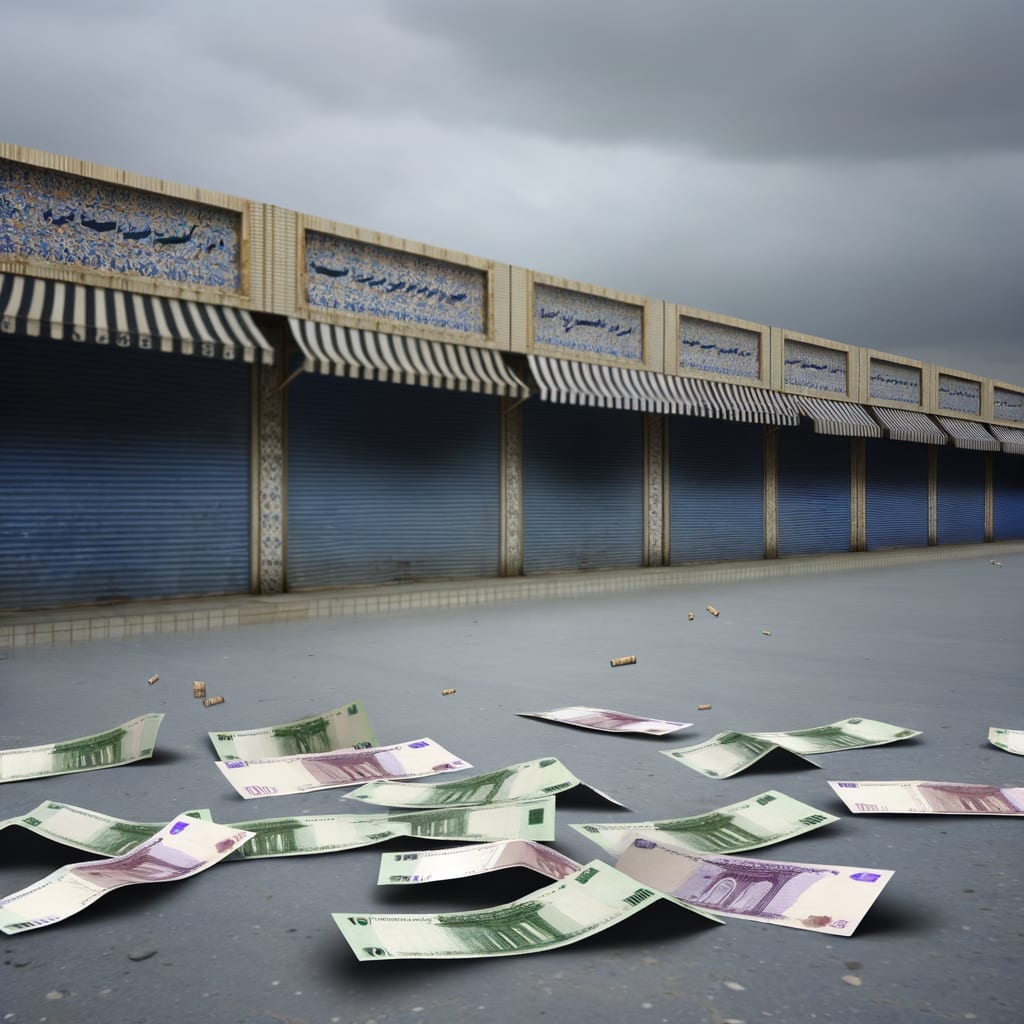
The protests started in Tehran last Sunday as shopkeepers went on strike due to high prices and economic stagnation. However, they quickly spread to numerous provincial cities, fueled by anger over soaring prices, inflation, and a plummeting currency. The situation has been exacerbated by rampant inflation and economic crisis, the fallout from sanctions, and environmental threats.
This unrest marks the biggest uprising in Iran in three years. As one protestor put it, it is now or never to topple the regime, expressing the sentiment that it's time to hit the regime when it's at its weakest.
Key Developments
The situation in Iran has escalated significantly, with the death toll rising to at least ten according to various media outlets. In addition to the civilians killed, a member of the Basij, the all-volunteer arm of Iran's paramilitary Revolutionary Guard, also died in a gun and knife attack. The protests have led to damage to buildings and other infrastructures.
Security forces are intensifying their operations in the provinces of Fars, Lorestan, Ispahan, and Tchaharmahal-et-Bakhtiari. There have been several arrests, with human rights defense organizations reporting at least 119 arrests and 33 injuries since the start of the protest movement.
The ruling Ayatollah, Ali Khamenei, has been critical of the protests, branding the pro-democracy activists as rioters
and calling for them to be put in their place
.
International Reactions and Implications
The situation in Iran has drawn global attention, with warnings against travel to Iran from the Argentine Foreign Ministry. Furthermore, members of the Iranian diaspora rallied in London in support of the protestors, expressing their solidarity.
President Donald Trump, who met with Israeli Prime Minister Benjamin Netanyahu, has expressed his support for the demonstrators and warned of potential intervention. In response, Iranian officials have threatened a swift and harsh response to any act of aggression from the US or Israel.
Several cybersecurity companies have reported a significant decrease in internet traffic in Iran, suggesting possible internet disruptions as the protests continue.
Current Status
As the protests enter their second week, the situation remains highly volatile. The death toll continues to rise, and the Iranian government faces increasing pressure both domestically and internationally. It remains to be seen how the situation will evolve, but it is clear that the unrest has exposed the deep-seated frustrations of the Iranian people with their economic conditions and the current regime.