
China Strengthens Energy Reserves amid Global Tensions and Market Instability
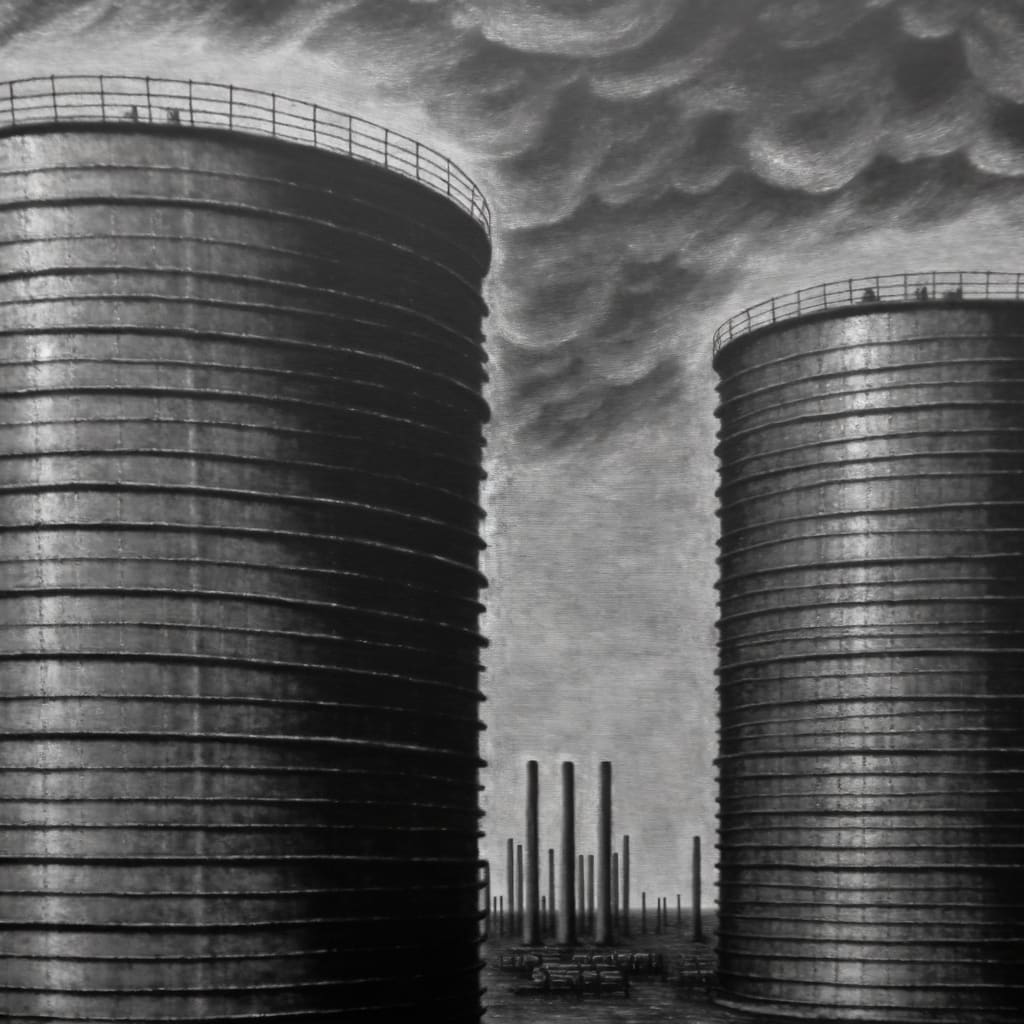
In the face of escalating Middle East tensions and global supply risks, China has significantly increased its crude imports, strengthening its oil and gas reserves. The surge in imports is part of China's strategy to shield itself from potential energy shocks following the conflict in Iran, which has disrupted global energy markets and threatened traditional energy transit routes.
Background
China's crude imports rose by 15.8 percent in January and February, amounting to 96.93 million tonnes, according to customs data. Despite the increase in volume, the value of these imports fell by 5.2 percent in US dollar terms. This surge in imports serves to bolster China's energy stockpiles, providing a buffer against the backdrop of rising Middle East tensions.
Global Impact of the Middle East Conflict
The conflict in the Middle East, particularly the escalating tensions in Iran, has resulted in an energy crisis affecting many countries. Bangladesh, heavily reliant on energy imports, has been forced to close universities and restrict fuel sales to conserve resources. Similarly, the Philippines is exploring ways to save on energy as global fuel costs rise. The conflict has also disrupted the global supply of commodities, affecting markets beyond energy and causing economic conundrums worldwide.
China's Response
China's response to the crisis has been strategic. Due to its heavy reliance on oil and gas imports, the country has been accumulating energy stockpiles to insulate its energy security from short-term geopolitical shocks. Jin Zhijun, dean of the Institute of Energy at Peking University, stated that China could ensure its energy security amid a volatile international energy trading landscape through multiple contingency plans, including tapping more domestic resources by increasing oil and gas production.
Implications for Global Energy Markets
The conflict in Iran has led to a restructuring of global energy markets. Traditional energy transit routes, such as the Strait of Hormuz, are under threat, leading to a surge in energy costs and forcing the world to rethink how it prices energy risk. This shift has resulted in increased demand for energy resources from other countries, such as Russia, which has seen a 12 percent increase in its trade turnover with China in the first two months of the year.
Conclusion
As the world grapples with the repercussions of the Middle East conflict, China's strategic approach to securing its energy needs provides an example of how countries can insulate themselves from global energy shocks. However, the situation remains fluid, with the potential for further disruptions to global energy markets. As such, the world will be closely watching how China's energy strategy unfolds in the coming months.