
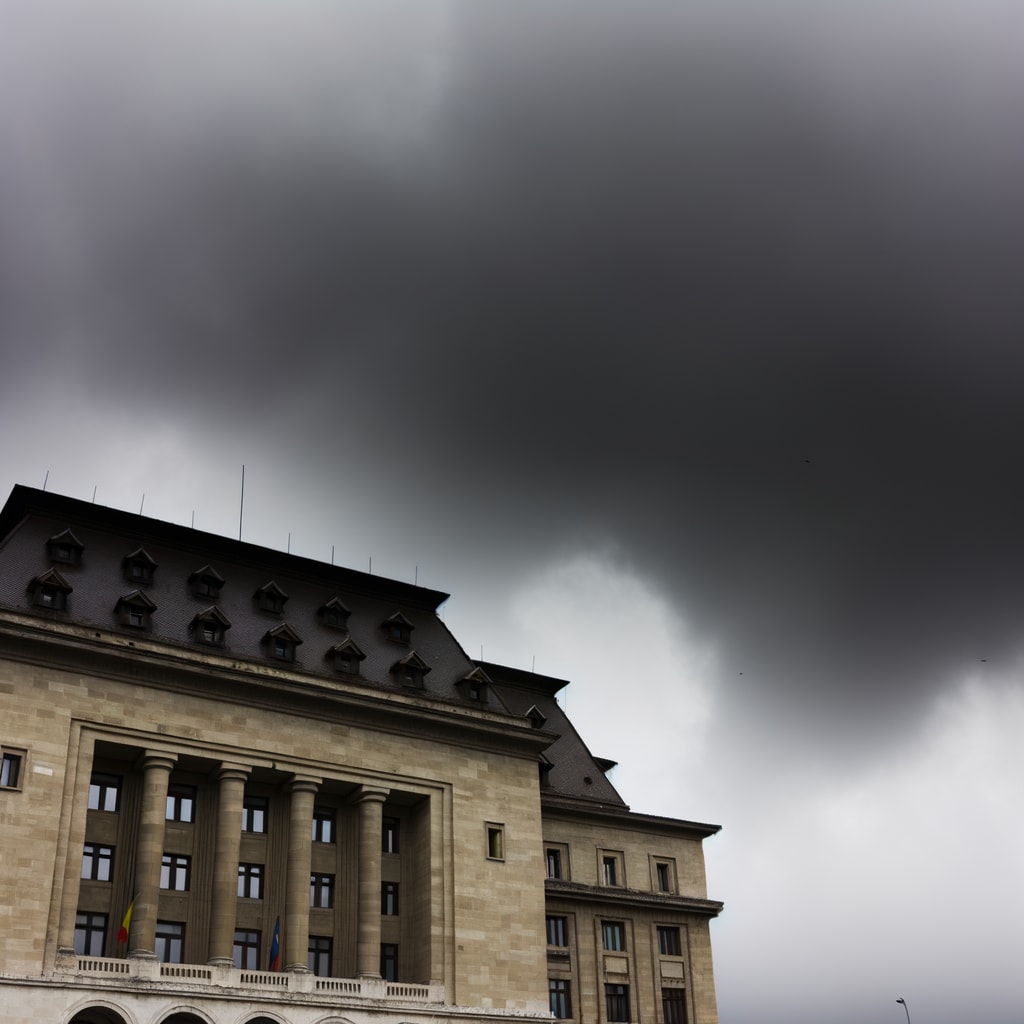
Romania's Pro-EU Government Collapses After No-Confidence Vote
Romania's pro-European Union coalition government, led by Prime Minister Ilie Bolojan, has collapsed following a vote of no confidence in parliament. A total of 281 lawmakers voted to oust the prime minister, marking a significant shift in the country's political landscape. The motion was initiated by the Social Democrats (PSD), who left the governing coalition last month, and the far-right, Ukraine-skeptic Alliance for the Union of Romanians (AUR).
Background and Context
The government's collapse comes after the PSD, the largest party in Bolojan's coalition, quit the alliance over disagreements on austerity measures aimed at reducing the country's deficit, the largest in the European Union. This move was followed by a surprise alliance with the far-right AUR, leading to the no-confidence vote against the pro-reform government.
Critics argue that the PSD's collaboration with the extreme right contributes to the legitimization of the far-right, which is on the rise in Romania. The democratic forces of the country have strongly criticized the alliance, sparking concerns about renewed political and economic instability.
Key Developments and Details
Before the vote, Bolojan addressed parliamentarians, denouncing the censure motion as false, cynical, and artificial.
He insisted that his government was taking urgent and necessary
measures to address the country's economic crisis and argued that a country in crisis should aim to consolidate governments, not change them.
Nevertheless, the no-confidence motion passed overwhelmingly, leading to the fall of Bolojan's government. The motion was backed by the PSD and the AUR, marking a significant political shift in the country.
Implications and Reactions
The fall of Bolojan's pro-European government has unleashed renewed political turmoil in Romania, raising concerns about the country's political and economic stability. The crisis threatens to bring the far-right AUR, an anti-European and pro-Russian faction led by George Simion, back into the spotlight.
Despite the joint vote with the AUR, the PSD has not ruled out participating in a new pro-European coalition. However, the economic impact of the government's collapse will be severe, and the political cost high, potentially paving the way for the far-right to gain power.
Current Status
With the collapse of the pro-reform government, Romania has fallen back into political chaos. The country now faces the daunting task of navigating this political crisis amid ongoing economic challenges. As the dust settles, all eyes will be on Romania as it grapples with the implications of this significant political shift.