
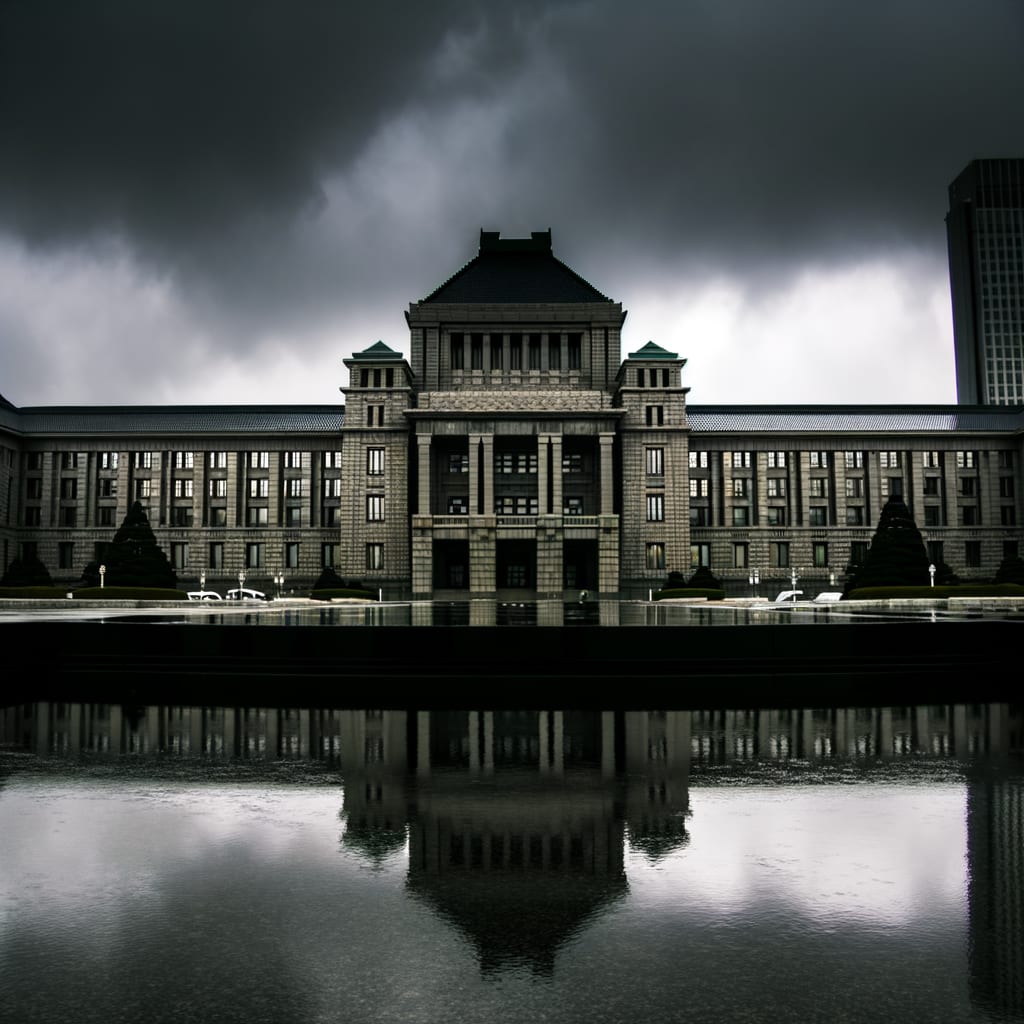
Japan's Prime Minister Takaichi to Call Snap Election Amidst Political Unrest
In a potentially risky but ambitious move, Japan's Prime Minister Sanae Takaichi plans to dissolve parliament's lower house and call a snap election with the aim of bolstering her political support, as reported by various sources including the Japan Times, TASS, and Fox News. This step, expected to be announced on January 19, comes amidst growing unease in the financial markets over her public spending plan.
Background and Context
Sanae Takaichi, who made history as Japan’s first female prime minister in October 2021, is known for her unyielding, ultraconservative stance. She has been a vocal critic of China, advocated for strengthening Japan’s defense posture, and supported constitutional revisions to expand the role of the Self-Defense Forces.
However, her administration has recently faced criticism over an ambitious public spending plan that has unsettled financial markets. This, coupled with the recent breakdown of an alliance with Komeito, a party affiliated with a religious movement, has further complicated the political landscape.
Political Developments
According to the South China Morning Post, Prime Minister Takaichi faces an uphill battle in the upcoming lower house election. The exit of Komeito from its alliance with the ruling Liberal Democratic Party leaves a potential opening for the party to play a decisive role in the election.
In addition, the Japan Times reports that the Constitutional Democratic Party and Komeito are on the brink of forming a new centrist party, a development that could significantly alter the political landscape ahead of the snap polls, likely to take place in February.
The Japan Times also reports that Takaichi and her ruling coalition partners, the LDP and the Japan Innovation Party (JIP), will not coordinate their candidates in the upcoming snap vote, a decision that is considered unusual and potentially risky as they seek to expand their parliamentary numbers.
Implications and Reactions
According to Fox News, the snap election could allow Takaichi to capitalize on her high approval ratings and secure fresh backing for her economic and security priorities at a time when her party and a new coalition partner hold only a slim majority in Japan’s legislature.
However, the Japan Times cautions that this move could prove to be a double-edged sword for the prime minister, possibly leading to political instability.
Conclusion
As Prime Minister Takaichi gears up to dissolve the parliament and call for early legislative elections, the political climate in Japan remains uncertain. The dissolution of the lower house is expected to be announced on January 23, with polling likely to take place on February 8 or 15. The outcome of these elections will significantly influence the future direction of Japan's political and economic landscape.