
Trump's Board of Peace Pledges Billions and Assembles International Force for Gaza Reconstruction
Lead
In an ambitious move towards the reconstruction and stabilization of Gaza, US President Donald Trump's newly created Board of Peace has pledged $17 billion and plans to build a 5,000-person military base in the region, according to Board of Peace contracting records reviewed by The Guardian. The board, which is chaired by Trump and in part led by his son-in-law Jared Kushner, has gained support from numerous countries, including Indonesia, Kazakhstan, Azerbaijan, UAE, Morocco, Bahrain, Qatar, Saudi Arabia, Uzbekistan, and Kuwait, who have collectively pledged $7 billion towards the Gaza relief package.
Background and Context
The Board of Peace was established on January 22, with 19 countries signing its charter as part of a peaceful settlement in the Gaza Strip. The board has attracted some controversy, with detractors accusing it of being a vehicle for Trump with no accountability to Palestinians or the UN.
Key Developments
The proposed military base is expected to sprawl over 350 acres and will serve as an operating base for a future International Stabilization Force (ISF). The ISF, composed of pledged troops from several countries, is part of the board's plan to govern Gaza. According to US Major General Jasper Jeffers, the Gaza International Stabilization Force
will first deploy to Rafah.
Indonesia, Morocco, Kazakhstan, Kosovo, and Albania are ready to deploy peacekeeping forces to Gaza, with Egypt and Jordan set to provide substantial help by training the Palestinian police. The Gaza oversight committee has also initiated the recruitment process for the Strip's police force.
Implications and Reactions
While the board's initiative has been praised for its ambitious goals, it has also drawn criticism. The EU's head of foreign policy, Kaja Kallas, warned that Trump's Board of Peace
was a personal vehicle for the US president that removed any accountability to Palestinians or the United Nations. Spain’s foreign minister, José Manuel Albares, also accused Trump of trying to bypass the original UN mandate for the board, and claimed that Europe, one of the primary funders of the Palestinian Authority, had been excluded from the process.
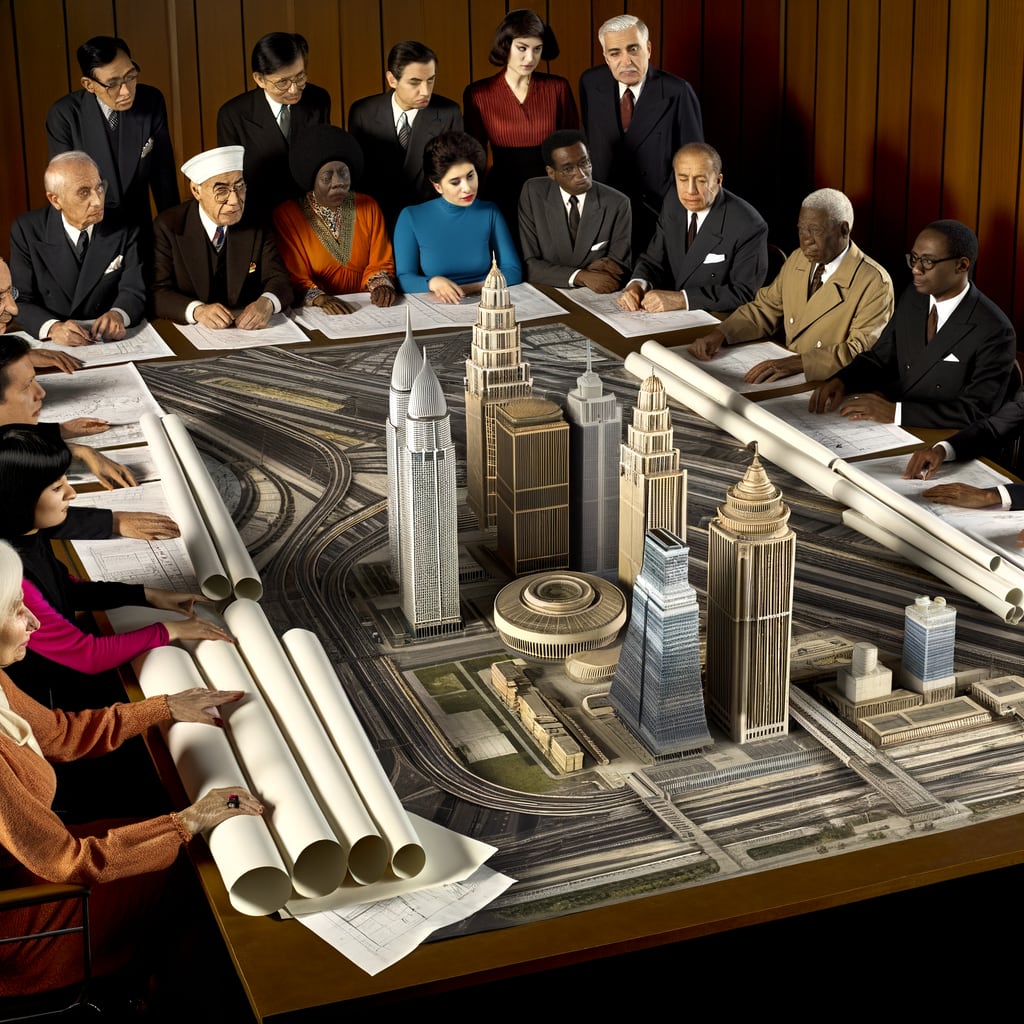
Despite these criticisms, Trump remains optimistic, stating that the Board of Peace is showing how a better future can be built, and that the contribution is a small price to pay compared to the cost of war. The board's reconstruction plan for Gaza includes ambitious projects such as building skyscrapers along the coast, developing railways, ports, an airport, and exploring natural gas on Palestinian territory.
Conclusion
The Board of Peace's first meeting marked a significant step towards the reconstruction and stabilization of Gaza. Despite facing criticism, the board has managed to secure billions of dollars in pledges and a commitment of troops from several nations. As the Board of Peace moves forward with its plans, the world watches closely, hopeful for a peaceful resolution in Gaza.