
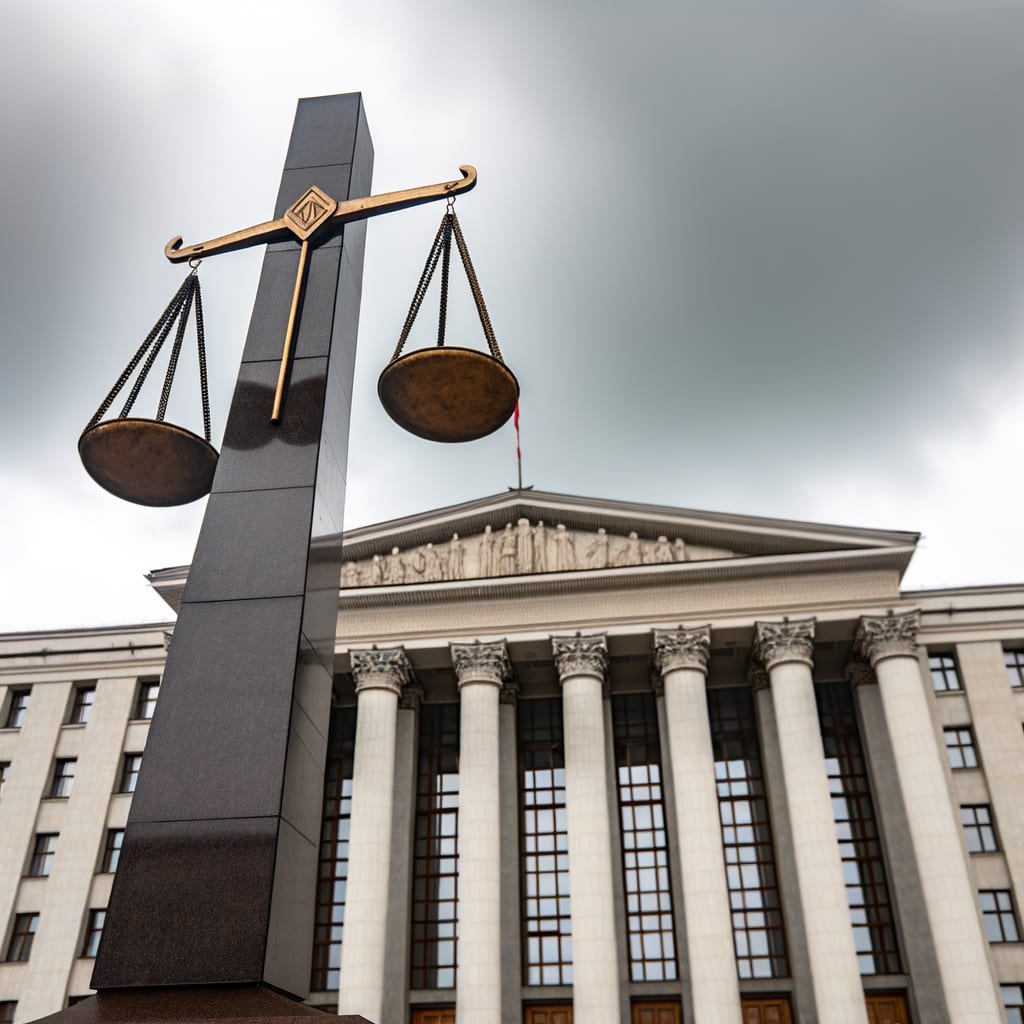
Global Response to U.S. Intervention in Venezuela: A Tug of War Between Power Politics and International Law
In the wake of the recent U.S. military intervention in Venezuela and the capture of its embattled president, Nicolás Maduro, global leaders find themselves torn between support for the ejection of an authoritarian regime and the upholding of international law.
Background: Unprecedented U.S. Action
Over the weekend, the Trump administration launched what they dubbed Operation Absolute Resolve
, a daring military strike aimed at capturing Maduro and his wife, Cilia Flores. Following the operation, both individuals were transported to U.S. territory, an act that has sent shockwaves around the world and elicited a wide range of responses from global leaders.
Mixed Reactions on the Global Stage
European nations, caught in a diplomatic dilemma, have distanced themselves from the U.S.'s military action, though they remain hesitant to directly criticize Washington's conduct. While Europe has not recognized Maduro as Venezuela's legitimate leader since the controversial elections of June 2024, Brussels has called for a peaceful transition in the Caribbean country, emphasizing the importance of upholding international law.
In contrast, Giorgia Meloni, one of the European Union leaders, justified the U.S. intervention, referring to it as a legitimate defensive action
against an unrecognized regime. On the other hand, the Council of Europe Secretary General, Alain Berset, refrained from passing judgment on the U.S. actions, stating that the use of force is normalized.
Away from Europe, Australian Prime Minister Anthony Albanese called for a peaceful, democratic transition
in Venezuela, urging respect for international law. Meanwhile, former Vice President Kamala Harris condemned the Trump administration's capture of Maduro, calling the operation unlawful
and unwise.
Diverging Narratives and Unresolved Questions
Notably, some narratives diverge, highlighting the complexity of the situation. For instance, the Iranian news outlet Tehran Times condemned the U.S.'s actions as a manifestation of raw power politics, asserting that the U.S. had bypassed international law. Meanwhile, U.S. media outlet Fox News defended the legality of the operation, claiming that the Democrats' condemnation was driven by their contempt for President Trump.
Additionally, the U.K. expressed confusion over what it would mean for the U.S. to be in charge of Venezuela. The U.K. is waiting to determine whether there has been a breach of international law following the U.S. attack.
Conclusion: An Unsettling New World Order
The U.S. intervention in Venezuela has provoked both support and criticism worldwide, revealing a deep divide between power politics and the principles of international law. As global leaders grapple with the consequences of this unprecedented action, the situation in Venezuela remains uncertain and tense. The world waits to see how this complex scenario unfolds, marking a possibly unsettling shift in the world order.