
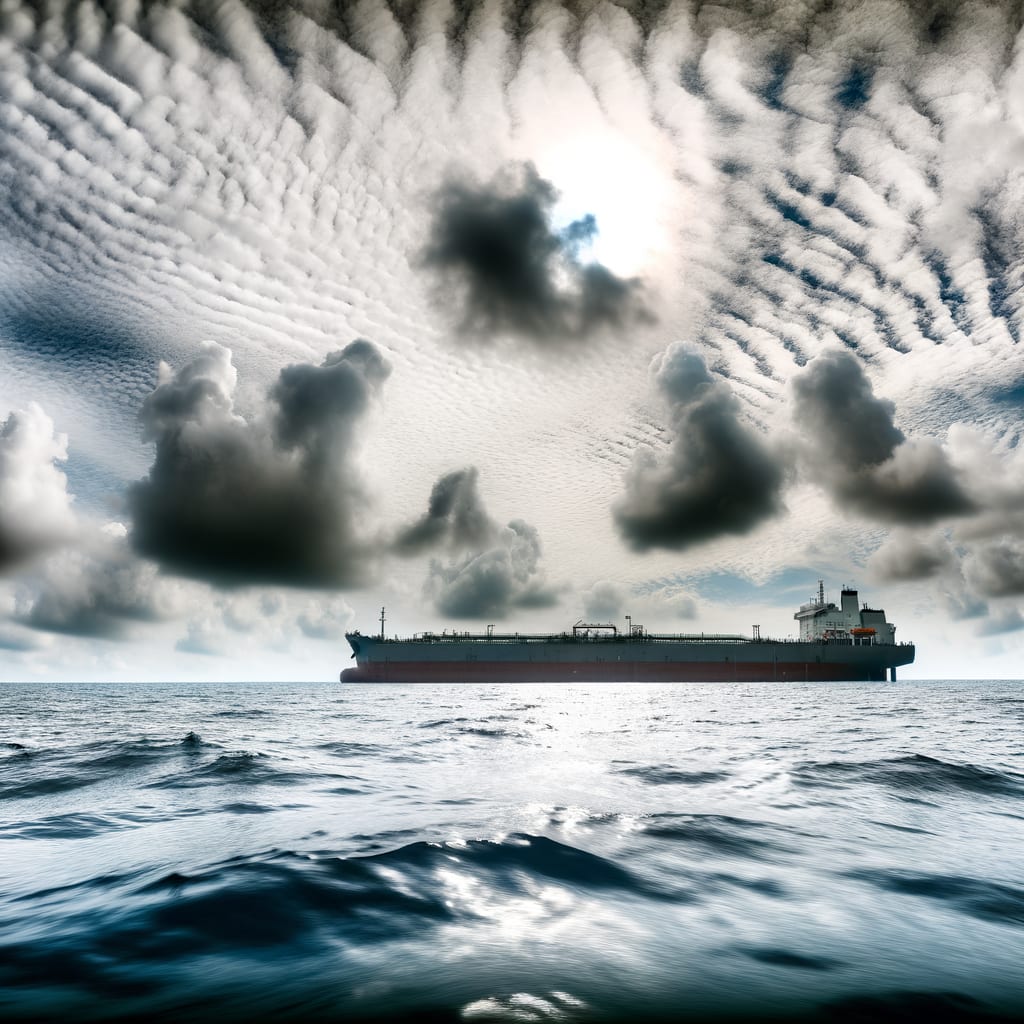
Trump Orders Complete Blockade on Venezuelan Oil Tankers Amid Escalating Tensions
In an escalating campaign against the Nicolas Maduro regime, U.S. President Donald Trump has ordered a total and complete
blockade of all sanctioned oil tankers entering and leaving Venezuela. The move came a week after the U.S. military seized an oil tanker off Venezuela's coast, intensifying pressure on the government.
Background and Context
Venezuela, a country heavily reliant on petroleum exports, is currently facing an economic freefall under the decade-long rule of President Nicolas Maduro. The country controls the world's largest crude reserves, estimated at over 300 billion barrels, nearly four times that of U.S. reserves. Despite its vast resource wealth, political turmoil and economic crises have severely limited Venezuela's ability to convert these reserves into sustained production.
Key Developments
Trump's blockade order is aimed at cutting off revenue to the Venezuelan government and increasing pressure on President Maduro. The U.S. President has accused Maduro of using 'stolen oil reserves' to finance his regime. He declared that Venezuela is completely surrounded by the largest navy ever assembled in the history of South America
. Only vessels of the American Chevron are operating, with a special permit from Washington.
The blockade has been described as a direct shot at Venezuela's economic crown jewel: its oil sector. The move is an escalation of military operations and a pressure campaign against Nicolás Maduro, Venezuela’s leader. However, its scope and economic impact are not clear. The markets are closely watching how such a blockade would actually be imposed.
Implications and Reactions
In response to Trump's blockade order, Venezuelan officials have condemned the move as a 'grotesque threat' and 'irrational'. The South American nation's government has lodged a formal complaint with the United Nations Security Council, and Maduro has accused the U.S. of wanting to impose a puppet government
to plunder the country’s resources.
Contrarily, China has accused the U.S. of bullying
Venezuela, pointing to the blockade as evidence. Trump's order has also raised concerns among European allies, who warned that the escalation could undermine regional stability and complicate efforts toward a political resolution in Venezuela.
Conclusion
As the U.S. prepares to intercept more ships transporting Venezuelan oil following the seizure of a tanker, tensions continue to rise. This intensifying pressure campaign against the Venezuelan oil trade is seen as hitting the Maduro regime at its most vulnerable point. While the timeline and outcome remain uncertain, the Maduro regime's dependence on oil leaves it uniquely vulnerable. The escalating crisis has brought the situation to a critical point, and the world watches as this power struggle unfolds.