
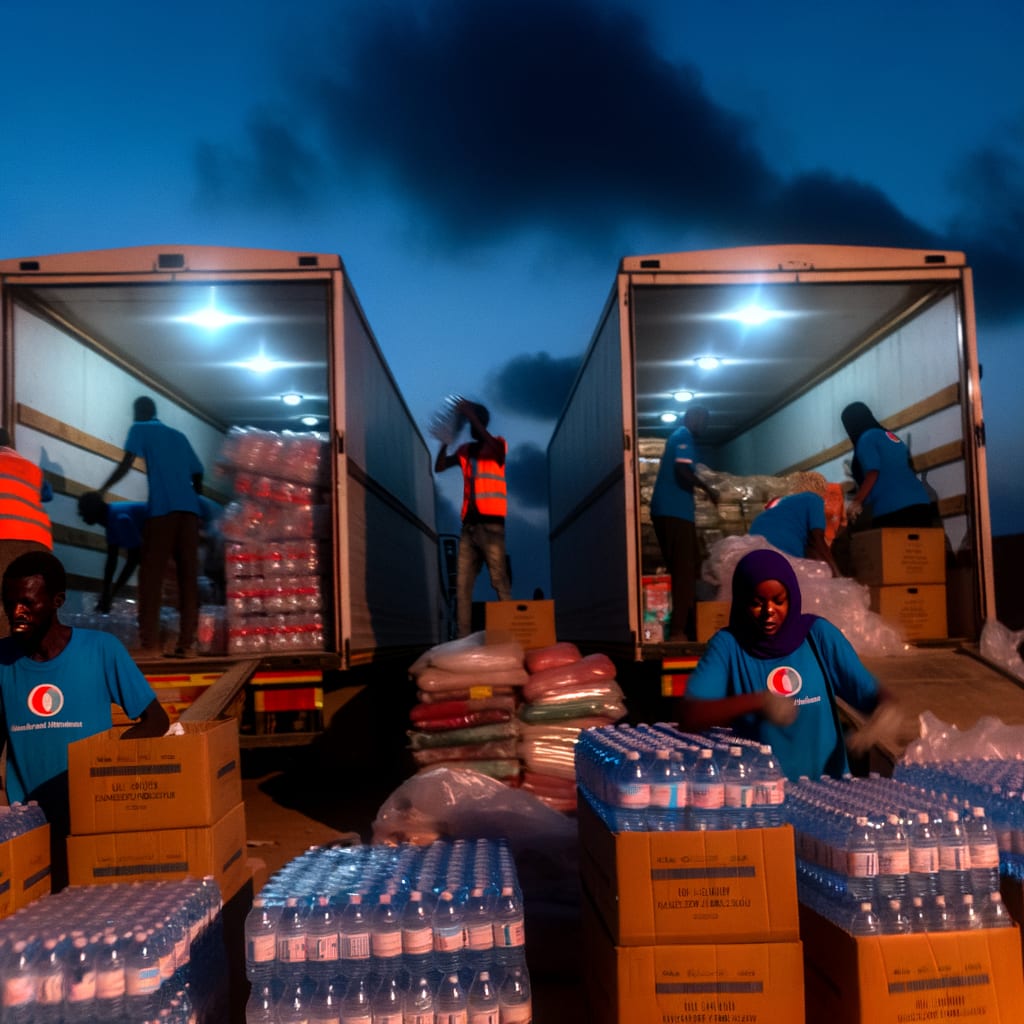
UN Warns of Rising Humanitarian Aid Costs in Sudan Amid Iran War
The ongoing war in Iran is causing a significant surge in the cost of delivering humanitarian aid to Sudan, warned the United Nations High Commissioner for Refugees (UNHCR). The disruption has led to extended shipping routes and delays in critical supplies, pushing transport costs for relief supplies from Dubai to Sudan and Chad from $927,000 to $1.87 million. Meanwhile, the situation in South Sudan is worsening, with severe food shortages, disrupted food production, and increasing malnutrition rates affecting over half of the population.
The Cost of War
The UNHCR reported that instability along key Gulf corridors, including the Strait of Hormuz, port congestion, rising fuel prices, and loftier insurance premiums are contributing to the heightened transport costs and slowing deliveries. Aid shipments that once traveled from Dubai through the Gulf are being rerouted from Europe via the Cape of Good Hope, adding up to 25 days to journey times, according to Carlotta Wolf, UNHCR spokesperson.
Iran's Role in Sudan's Civil War
In a parallel development, Iran is accused of supplying attack drones to Sudanese Armed Forces (SAF) in Sudan's deadly civil war. The conflict, now in its fourth year, has reportedly resulted in as many as 400,000 deaths and displaced over 11 million people, creating the world's worst displacement crisis.
The Impact on South Sudan
The humanitarian situation in South Sudan has also deteriorated significantly, with widespread food shortages and rising malnutrition rates affecting over half of the population. People in dire need are receiving things that are ready later than what's needed,
Wolf said, emphasizing the urgency of the situation. The lack of basic services and vast scale of needs are leading to projections of nationwide hunger reaching catastrophic levels without urgent intervention.
International Reactions and Consequences
The international community has expressed growing unease over the cost and impact of the Iran war. The European Union's chief, Ursula von der Leyen, warned that the consequences of the Iran war could echo for months or years to come. The U.S. State Department has condemned the use of drones against civilians in Sudan's ongoing war.
Meanwhile, the World Health Organization (WHO) reports that Sudan is experiencing the largest displacement crisis globally, with an estimated 13.6 million people forcibly displaced. The collapse of basic services is fueling the spread of deadly diseases such as malaria and contributing to acute food insecurity.
Conclusion
As Iran indicates readiness to either resume war or prioritize diplomacy, the humanitarian crisis in Sudan continues to escalate. The impact of the Iran war on the cost and delivery of humanitarian aid to Sudan underlines the far-reaching implications of the conflict, with millions of lives at stake and a health and humanitarian crisis that is, according to WHO, the worst in the world.