
Trump Administration Repeals Landmark Climate Rule, Sparking Widespread Criticism and Legal Threats
The Trump administration has repealed a central scientific determination that gives the government the ability to regulate climate-heating pollution, a move that has drawn condemnations and pledges of legal resistance from multiple environmental groups and the state of California.
Background
The endangerment finding, established by the Obama administration in 2009, classified six greenhouse gases as a public health threat. The ruling served as a linchpin for justifying climate regulations across the country, including raising fuel economy standards and limiting power plant emissions. The revocation of this scientific determination marks what EPA Administrator Lee Zeldin calls the largest act of deregulation in the history of the United States.
Key Developments
The Trump administration's revocation of the endangerment finding is said to be in an effort to boost cheaper, gas-powered cars and cut through government red tape. According to the administration, this move would save Americans billions and the US an estimated $1.3tn by 2055. However, critics have accused the administration of 'cooking the books' as their own analysis indicates that the new rule will push up gas prices, and the benefits of the rollback are unlikely to outweigh the costs.
As a result of this decision, manufacturers will no longer receive credit towards vehicle emissions standards by installing engines that automatically stop at red lights, a feature that has been under criticism. The administration's decision also removes the legal bedrock for much of US environmental legislation, potentially opening legal processes against energy plant operators and other companies in the United States.
Reactions and Implications
The decision has been widely criticized. Former Secretary of State John Kerry has described the decision as 'un-American' and 'Orwellian', stating it is a gift to 'billionaire polluters' at the expense of Americans' health. Meanwhile, former President Obama has warned that this rollback will make Americans 'less safe'.
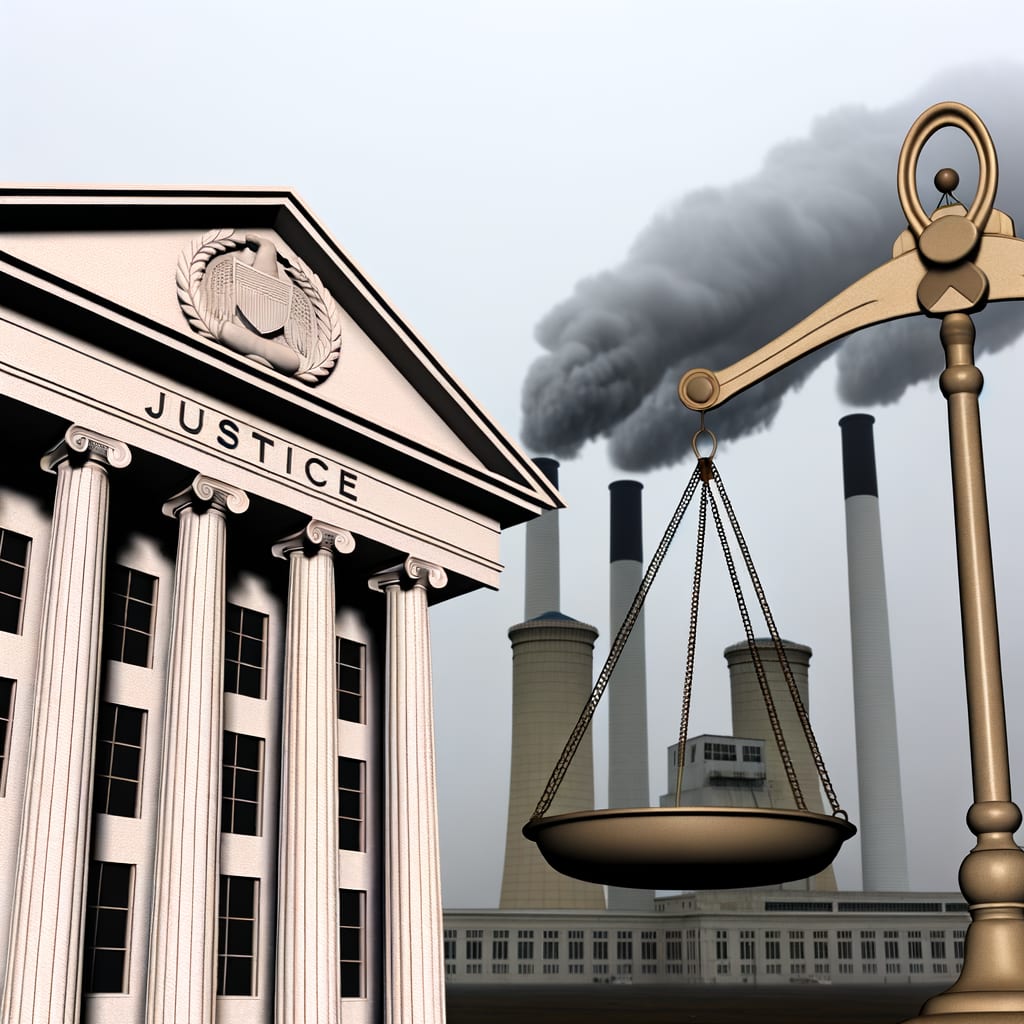
Environmental groups and the state of California have pledged to take the EPA to court over the rollback. The battle is expected to reach the Supreme Court, which is seen as far more conservative today than it was when the measure was established.
Conclusion
The Trump administration's repeal of the landmark climate rule is a controversial move that signals a significant shift in the US's approach to climate change. While the administration touts potential economic benefits, critics warn of adverse environmental and health impacts. As the dust settles, a wave of litigation seems likely, indicating that the final chapter of this story is yet to be written.