
Deadly Israeli Strikes in Gaza Amid Humanitarian Crisis
In a series of escalating events, Israeli airstrikes have claimed the lives of at least 30 Palestinians in Gaza, including civilians, according to hospital reports. The strikes, which Israeli Defense Forces (IDF) claim targeted Hamas commanders and weapons facilities, come amid worsening humanitarian conditions in the region and a contentious political climate.
Background and Context
The attacks were reportedly in response to a ceasefire violation, with the IDF identifying eight terrorists exiting underground terror infrastructure in eastern Rafah. The IDF stated it struck four commanders and additional terrorists from Hamas and Islamic Jihad, as well as a weapons storage facility. A weapons manufacturing site and two launch sites belonging to Hamas in central Gaza were also targeted1.
These developments come at a time when Palestinians in the West Bank see little success in legal recourse against Israeli soldiers, with 99% of complaints ending in vain2. Amid this, some Israeli MPs are seeking to introduce the death penalty for Palestinian attackers, a move that further polarizes the situation3.
In addition, the United Nations Relief and Works Agency (UNRWA) has had to lay off approximately 600 staff and cut Gaza salaries by 20%, as Israel continues to restrict critical aid access4.
Worsening Humanitarian Crisis
The escalating violence and political tensions are exacerbating an already dire humanitarian situation in Gaza. Hospitals are struggling to cope with a severe shortage of medical supplies, medicines, and medical equipment5.
Doctors Without Borders (MSF), an international medical humanitarian organization, has refused to share a list of its Palestinian and global staff with Israel, citing a lack of assurance regarding safety and independence6.
Border Reopening and Potential Lifeline
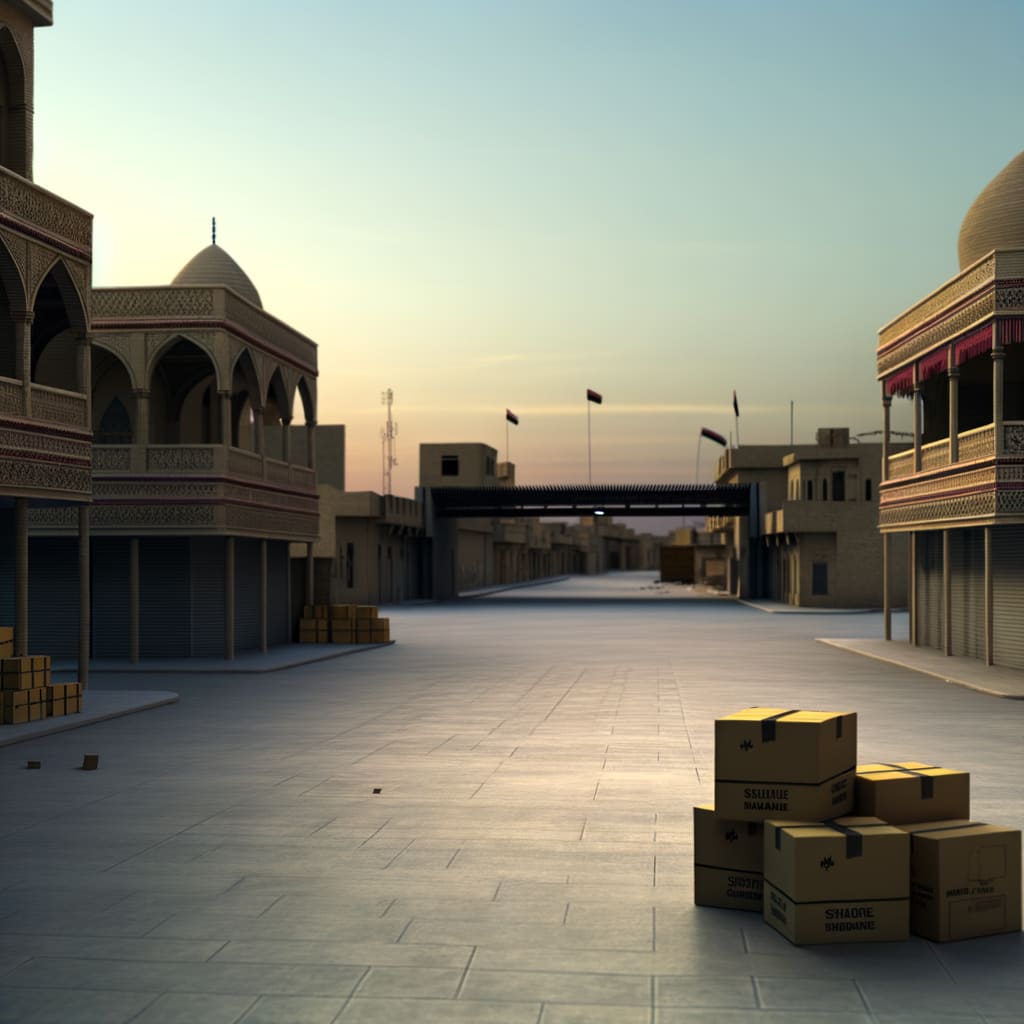
In a glimmer of hope, the Rafah border crossing between Gaza and Egypt is set to reopen in the coming days, potentially providing a lifeline to thousands of Palestinians awaiting evacuation for medical treatment7[9][10].
Preparations for the reopening of the border began on Sunday, and officials expect around 20,000 Palestinians to leave the territory for urgent medical care abroad8. The Rafah border crossing has been largely shut since May 2024, making it the only direct exit point for most Palestinians in Gaza to reach the outside world8.
Current Status and Conclusion
The situation in Gaza remains volatile with ongoing Israeli strikes and deepening humanitarian crisis. The potential reopening of the Rafah border crossing offers a glimmer of hope for those seeking urgent medical care and a lifeline to the outside world. The international community is closely monitoring developments in the region, which remain a source of global concern.