
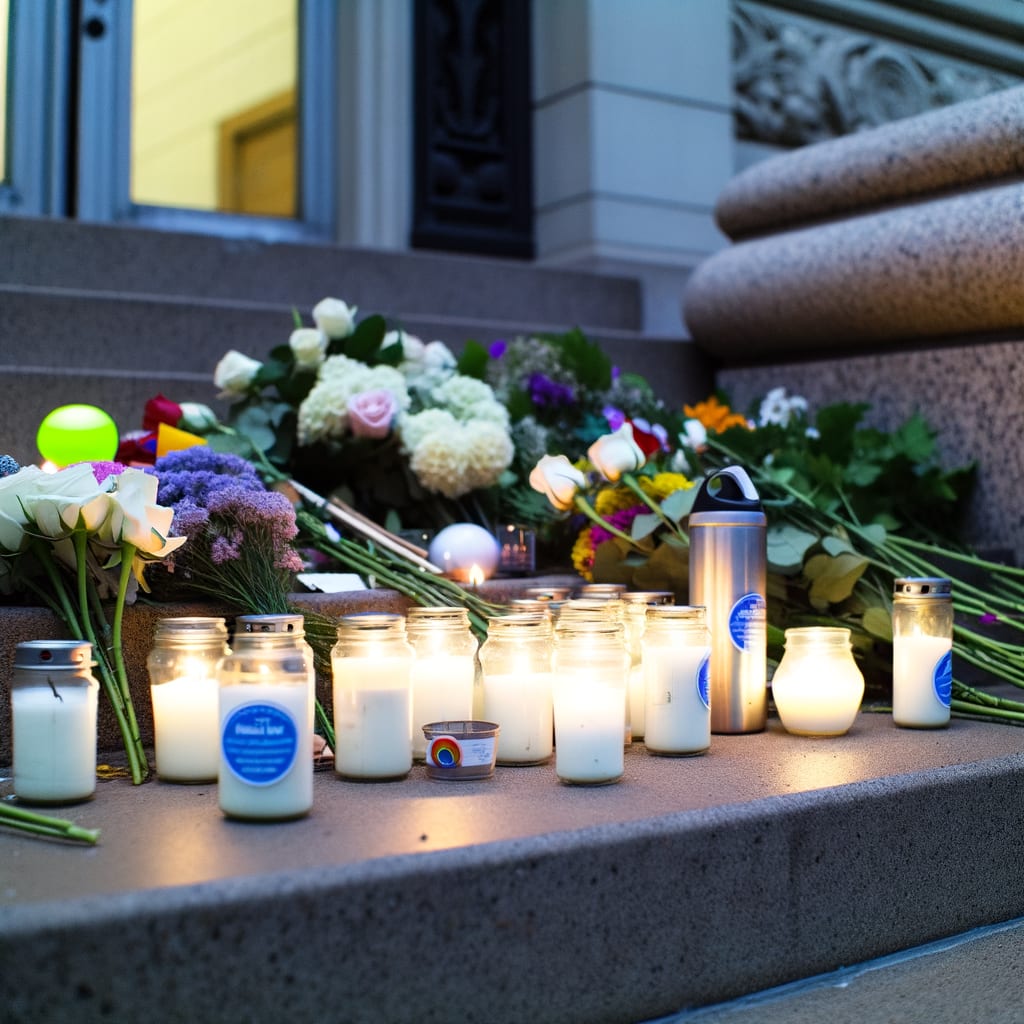
Minneapolis in Turmoil Amid Controversial ICE Operations
Minneapolis, Minnesota, the second-largest school district in the state, has been plunged into turmoil following an increase in federal immigration operations, including the fatal shooting of Renee Nicole Good, a local activist, by an Immigration and Customs Enforcement (ICE) agent. The situation has triggered protests, led to a temporary transition to virtual learning in schools, and sparked a fierce debate over the role of federal agents in local communities.
Background and Context
The fatal shooting of Renee Good, a 37-year-old Minneapolis-based immigration activist, on January 7th by an ICE agent has been the catalyst for the current unrest. The incident occurred during the 'Metro Surge' operation, a deployment of approximately 2000 immigration agents, which has been in action for several weeks.
ICE operations have been intensified in the area, with more than 2,500 people being arrested during the enforcement effort, dubbed Operation Metro Surge.
Following Good's death, protests have been held daily, as the Department of Homeland Security has ramped up immigration enforcement in the Twin Cities of Minneapolis and St. Paul by bringing in more than 2,000 federal officers.
Developments and Details
The situation has prompted Saint Paul Public Schools to offer a temporary virtual learning option for students, citing safety concerns tied to the increased presence of federal immigration agents in the Twin Cities. The option, which begins on January 22, is intended for students who do not feel comfortable attending school in person due to the ongoing unrest. The district's decision came after a significant drop in student attendance, particularly among students who speak Spanish at home.
On the other hand, despite widespread protests and intense pressure from local and state politicians to cease operations, the Department of Homeland Security asserts that its agents are continuing to remove criminals from Minneapolis streets. Among those arrested during Operation Metro Surge
are individuals with serious criminal records.
Reactions and Implications
The current situation has led to a heightened level of tension and fear among the local population. Classrooms have emptied, shops have shut, and the mood in the city is tense. Protests and counterprotests have been organized, and the city has become a focal point of anti-ICE protests.
The Minnesota faculty union has called for an economic blackout
to protest the federal immigration enforcement operation, and Minnesota's flagship newspaper has demanded that ICE leave the state, describing the situation as an occupation.
Conclusion
The situation in Minneapolis remains tense and complex. The city has become an epicenter for the national debate on immigration enforcement, with the presence of ICE agents and the fatal shooting of Renee Good igniting widespread protests and unrest. As the situation continues to unfold, local communities, state officials, and national observers will be watching closely to see how this crisis is resolved.