
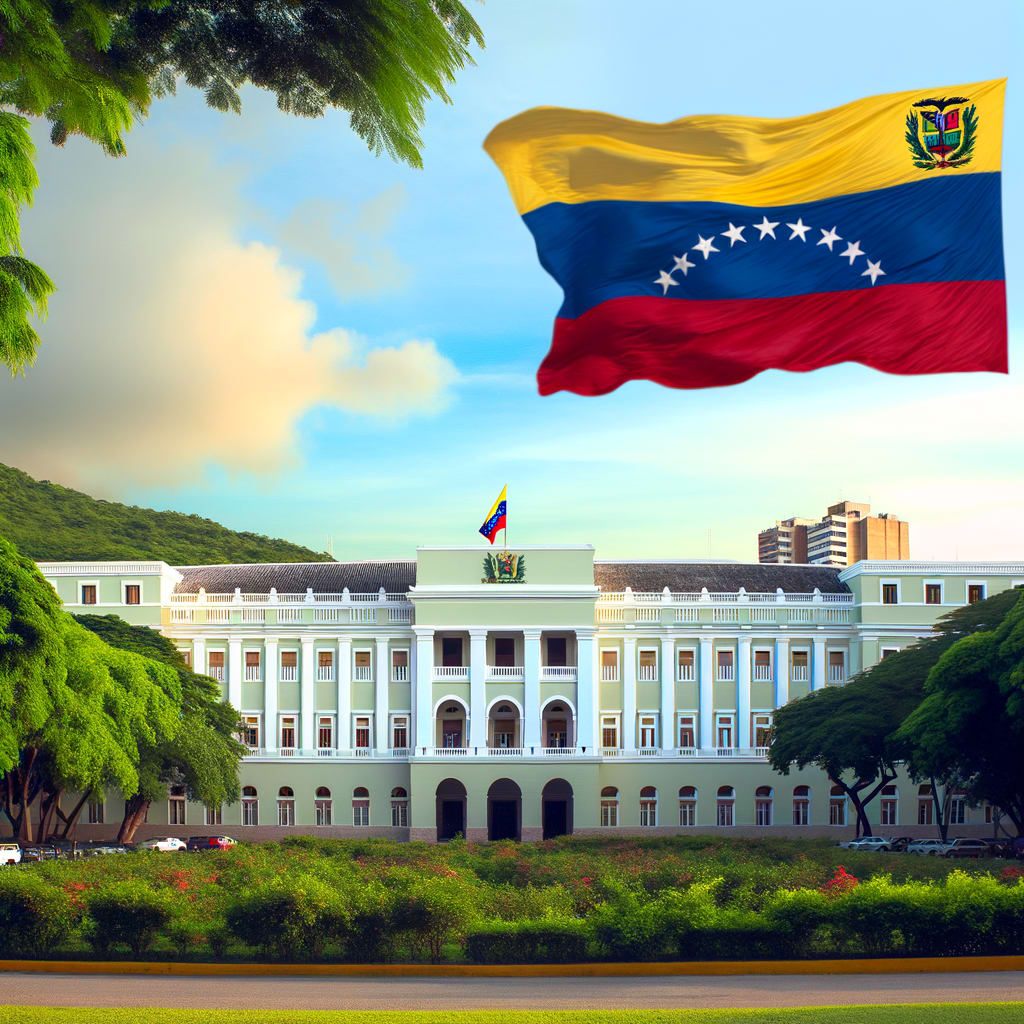
Venezuela: New Leadership and Diplomatic Shifts Amid Maduro's Fall
In a significant turn of events, Venezuela finds itself under the interim leadership of Delcy Rodríguez following the capture of Nicolás Maduro. The United States, under President Donald Trump, has taken a renewed interest in the country, with a majority of Latin Americans endorsing his intervention. This shift in power and international relations comes amid calls from the Venezuelan opposition for free elections and signals a shift in the political climate not only within Venezuela but also in its relations with the global community.
Background and Context
For years, Venezuela was under the iron grip of Nicolás Maduro, whose regime was marked by allegations of corruption, drug trafficking, and human rights violations. His fall and subsequent capture by U.S. forces marked a significant shift in the country's political landscape. Maduro's only son, commonly known as 'Nicolasito,' is also under scrutiny by the American indictment for drug trafficking, accused of maintaining unwavering loyalty to remain in the political game of his country.
Key Developments
Following Maduro's fall, Delcy Rodríguez, previously Maduro's vice president, assumed the role of interim president. Rodríguez has already started making significant changes, including a reorganization of the Armed Forces. Meanwhile, in a surprising move, María Corina Machado, the Venezuelan opposition leader and Nobel Peace Prize recipient, has presented her medal to President Trump, symbolizing her support for U.S. intervention.
U.S. Secretary of State Marco Rubio is set to testify on the Trump administration's actions in Venezuela before the Senate Foreign Relations Committee, reflecting the increasing attention the U.S. government is giving to the situation in Venezuela. Additionally, a limited number
of U.S. diplomatic and technical personnel are in Caracas conducting initial assessments for a potential phased resumption of operations, including the re-opening of the U.S. Embassy and consulate offices in Venezuela.
Implications and Reactions
These developments have sparked various reactions both within and outside Venezuela. While Machado has been calling for free elections, Trump has expressed doubt over her ability to lead the country. On the other hand, Rodríguez's leadership has been endorsed by Trump, who described her as a terrific
person.
The change in leadership and the potential for improved U.S.-Venezuela relations have also influenced the decisions of Venezuelans living abroad. Many are hopeful yet wary, contemplating whether or not to return home.
Conclusion
Venezuela currently stands at a crossroads, with its future hinging on the actions of its interim leadership and international relations, particularly with the United States. The country is taking its first steps toward a transition to democracy, but as Machado noted, We are facing a very complex and delicate process.
As Venezuela navigates this uncertain period, the world watches closely, hoping for stability and positive change in a country that has known anything but for many years.