
Israeli-Hezbollah Conflict Escalates: Death Toll Rises, Lebanon Invasion Expands
In an escalating conflict between Israel and Hezbollah, casualties continue to mount on both sides. A series of Israeli strikes have raged across Lebanon, leading to the death of both military personnel and civilians, while Hezbollah retaliates with missile strikes targeting Israeli military infrastructure and forces. Amid the hostilities, Israeli Prime Minister Benjamin Netanyahu ordered an expansion of the ground offensive in southern Lebanon.
Background and Context
The escalation is marked by significant casualties. Four Israeli soldiers, identified as Cpt. Noam Madmoni, Staff Sgt. Ben Cohen, Staff Sgt. Maxsim Entis, and an unidentified soldier have been killed in the clashes, with two others wounded, according to The Times of Israel. Meanwhile, the Lebanese Health Ministry reports a death toll exceeding 1,300, with 3,935 people injured since the conflict's inception on March 2nd.
The conflict has also seen the death of Hezbollah's top commander for Iraq military affairs, Yousef Hashem, in an Israeli strike in the Jnah area of Beirut. This was confirmed by a Lebanese security source and a Hezbollah source, as reported by Middle East Eye.
Intensified Hostilities
On the Israeli side, Prime Minister Benjamin Netanyahu instructed the military to further expand
its invasion of southern Lebanon, signaling a more entrenched military presence. According to Middle East Eye, Netanyahu alluded to plans to replicate the “Gaza model” in Lebanon.
In response, Hezbollah has intensified its offensive, launching missiles at various targets in northern Israel, including the Mahanim camp east of Safed and a military industries site near Haifa. The group also targeted Israeli tanks in southern Lebanon and claimed attacks on troops attempting to invade southern Lebanon.
Civilian and Non-Combatant Casualties
Civilian casualties have been reported in southern Lebanon, with airstrikes killing family members and injuring others. Among those reported killed were journalists and paramedics. An attack on an ambulance resulted in the death of a paramedic and a patient, contributing to the 47 paramedics killed since the conflict began.
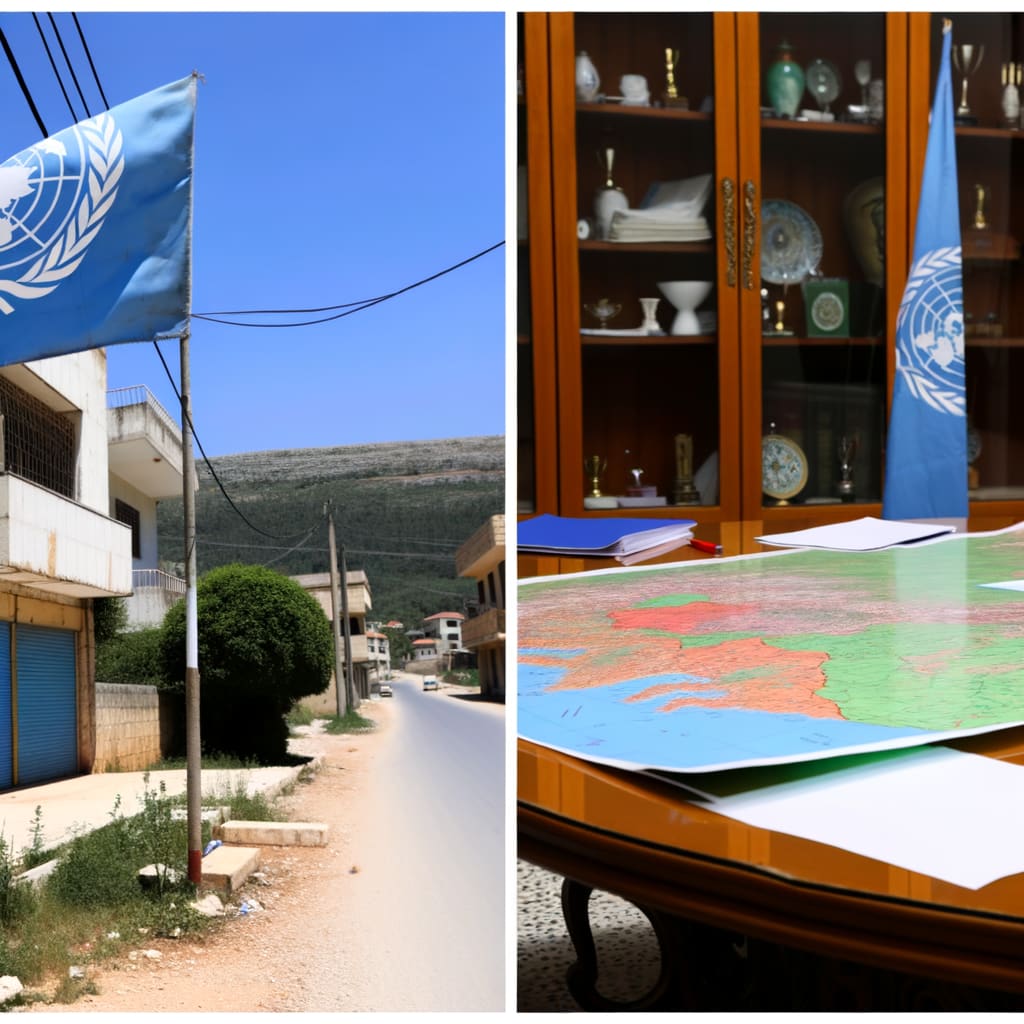
The conflict has also seen the death of three UN observers in south Lebanon, prompting an investigation by the IDF. Following this, Indonesia urged warring parties in the Middle East to respect international humanitarian law.
Conclusion
As the conflict continues, the situation on the ground remains volatile, with both sides escalating their offensives. The rising death toll, especially among non-combatants, has raised international concerns. Amid this, the expansion of the Israeli invasion suggests that the conflict may become more protracted, raising fears of a situation worse than the 1982 campaign, as warned by European officials.