
Israeli Strikes on Beirut Leave Devastation in Wake
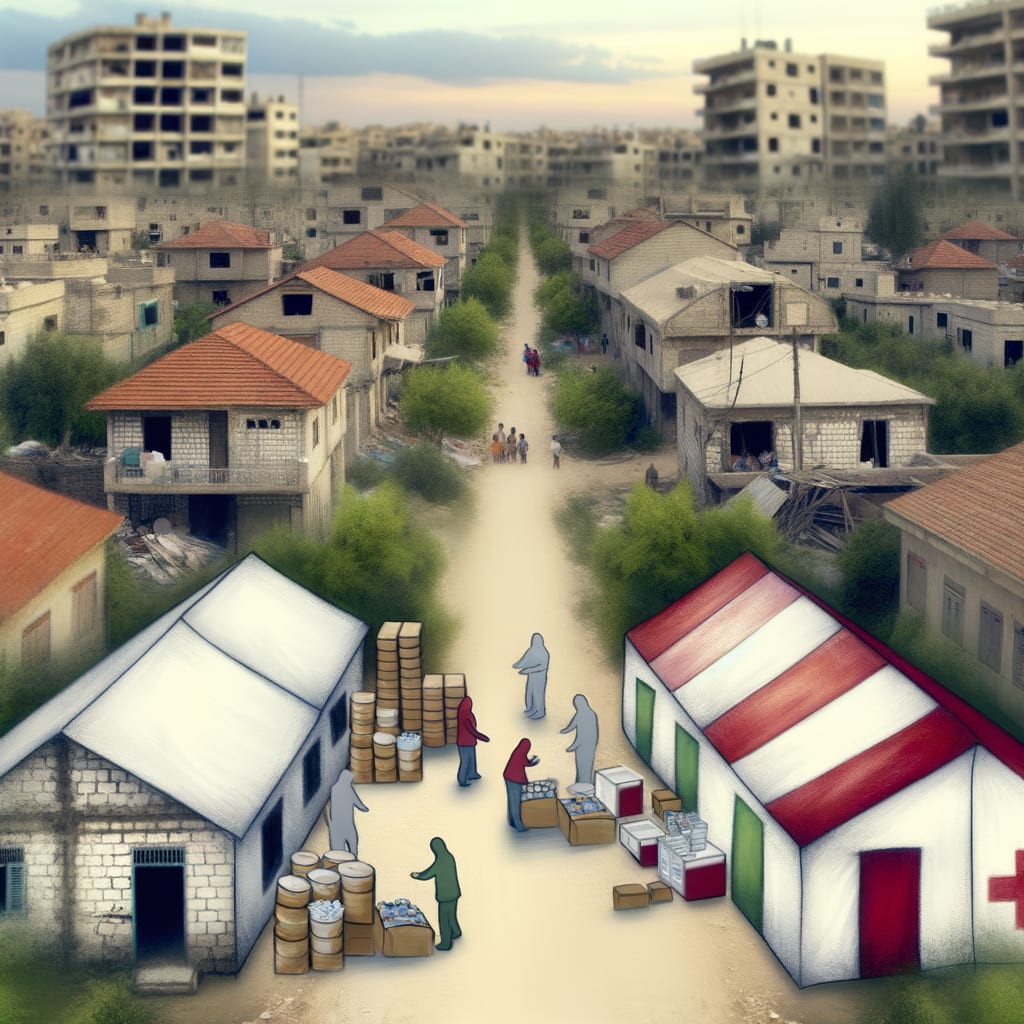
In a sharp escalation of hostilities, a series of Israeli airstrikes on Beirut and southern Lebanon have led to widespread destruction and a rising death toll. The Israeli military has targeted multiple sites, including residential buildings, a hotel, and alleged Hezbollah command centers, reportedly using around 200 munitions in the strikes. The Lebanese Ministry of Health has reported an increasing number of fatalities and injuries, with a particularly devastating attack on the Ramlet al-Bayda seafront in Beirut claiming eight lives and leaving 31 wounded.
Context and Background
The Israeli military has recently launched renewed air and ground operations in Lebanon, with a particular focus on Beirut's southern suburbs, known as Dahiyeh, home to many Hezbollah voters. The district has borne the brunt of the Israeli attacks, leading to streets littered with debris and damaged vehicles. The Israeli Finance Minister, Bezalel Smotrich, warned that the suburbs would look like Khan Younis,
a Gaza city heavily devastated in a previous conflict.
Key Developments
On Wednesday, the Israeli military reportedly targeted an apartment building in central Beirut, causing extensive damage. This followed a previous strike which claimed the lives of five members of Iran's Islamic Revolutionary Guard Corps. An attack on a hotel in Beirut also resulted in four deaths, and an Israeli strike in Lebanon's Bekaa Valley left two dead and three critically injured.
In southern Lebanon, at least six people were killed as Israeli forces intensified their strikes. The town of Ain Ebel was particularly affected, with three deaths reported there. An airstrike on the town of Kfar Rumman in the Nabatieh area resulted in another two fatalities.
The Israeli military claims to have hit Hezbollah command centers in Dahiyeh and destroyed a bridge across the Litani River. However, Hezbollah has not commented on these claims.
Reactions and Implications
The escalating violence has led to a major humanitarian crisis, with the UN refugee agency declaring an emergency in West Asia. The Israeli military has issued large-scale evacuation orders for Dahiyeh and southern Lebanon, leading to mass displacement. According to The Guardian, a single text message from Israel declared over 500,000 people homeless, turning Beirut's southern suburbs into a ghost town.
The French President, Emmanuel Macron, has called for de-escalation from both sides. Meanwhile, Hezbollah and its ally Iran have reportedly launched their own attacks on Israeli military bases.
Current Status
The situation remains tense as the airstrikes continue. The Lebanese Ministry of Health reports that since the start of the airstrikes on March 2, the death toll in Lebanon has reached 687, with 1774 people injured. The Israeli military claims to have targeted around 70 sites across the Lebanese capital, including about 50 high-rise buildings. As the conflict intensifies, the international community watches with growing concern for the safety of the civilian population caught in the crossfire.