
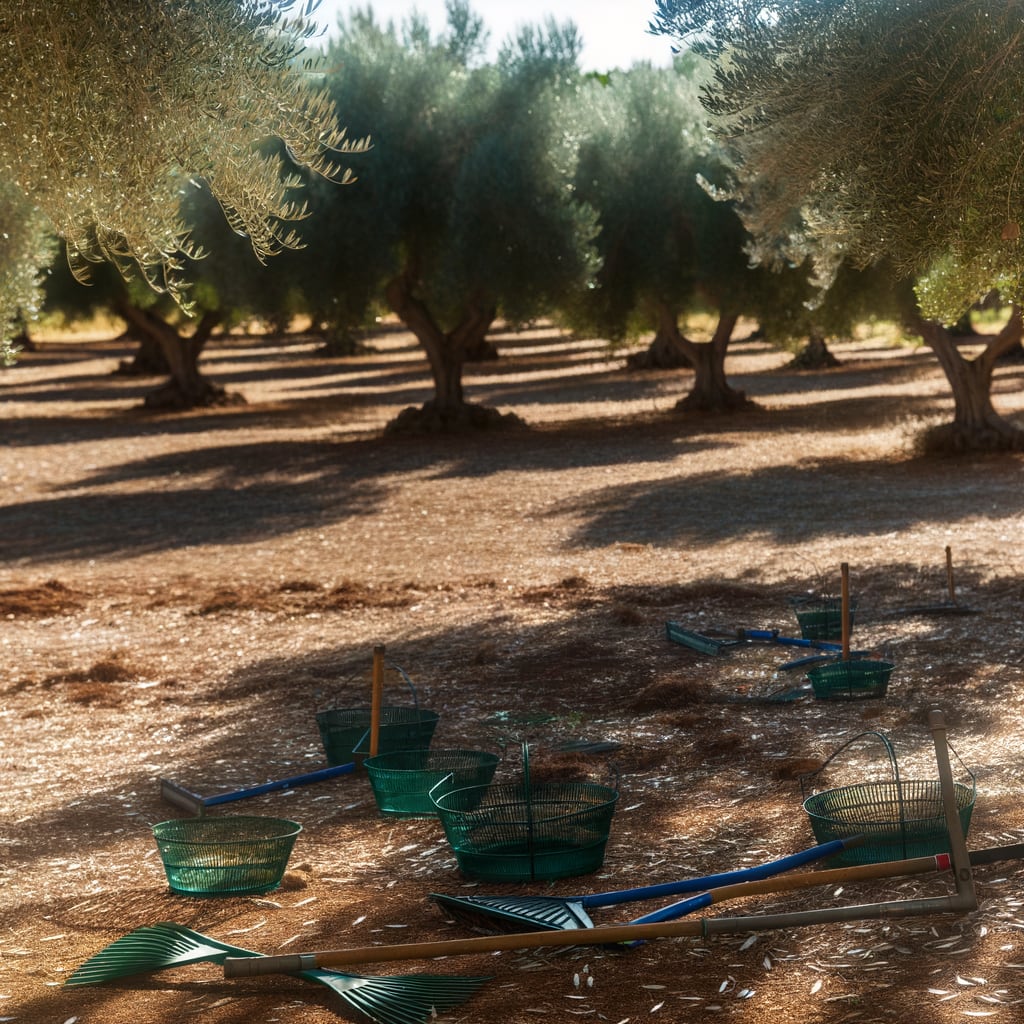
Surge in Israeli Settler Attacks Amid Olive Harvest Sparks Global Outcry
A recent surge in Israeli settler violence against Palestinians, particularly during the ongoing olive harvest, has provoked international concern and condemnation. The United Nations Office for the Coordination of Humanitarian Affairs (OCHA) recorded 71 attacks by Israeli settlers against Palestinians and their property within a single week, half of which disrupted the olive harvest, affecting residents across 27 villages in the occupied West Bank.
A Troubling Escalation
While the West Bank has been relatively calm compared to the surrounding Gaza Strip embroiled in conflict over the last two years, the region has experienced a steady rise in violence. The upswing in settler violence has led to 99 Palestinians injured and extensive damage to farmland and harvesting equipment, significantly impacting the region's economy.
The OCHA data suggests a dangerous escalation compared to previous olive harvest seasons, with settlers acting with increasing impunity under Israeli military protection. Israeli settlers reportedly targeted Palestinian farmers and volunteers, resulting in several injuries. Despite Israeli soldiers' presence at the scenes, the attacks were not prevented.
Global Outrage and Accusations of Hypocrisy
Footage filmed by American journalist Jasper Nathaniel revealed the severity of the situation and sparked global outrage. Nathaniel accused the US embassy in Israel of failing to protect him after Israeli settlers chased him while reporting in the West Bank. His posts led to a wave of criticism online, further highlighting the growing tension in the area.
Palestinian Foreign Minister Varsen Aghabekian Shahin has denounced the escalation of violence as a systematic campaign of displacement and extermination.
He accused armed settler militias, allegedly protected by the Israeli occupation army, of attacking Palestinian farmers, burning vehicles, and stealing olive crops.
Contrasting Perspectives
Despite the growing concern over settler violence, Israel's foreign minister recently asserted that Israeli settlers are the most law-keeping people on earth.
The statement has been met with skepticism given the increased settler attacks on Palestinian olive harvesters, documented in viral videos and reported by multiple news outlets.
In response to the rising tensions, an international delegation of diplomats is reportedly heading to Birzeit, north of Ramallah in the occupied West Bank, to monitor settler attacks. However, the Israeli military has deported 32 foreign activists who were assisting with the olive harvest, accusing them of violating 'a military commander's order' and belonging to a group Israel designates as a terrorist organization.
Conclusion
As the harvest season continues, the surge in violence has led to an atmosphere of fear and uncertainty. Despite contrasting narratives and viewpoints, the international community's concern over this escalating situation remains evident. The long-lasting impact of these confrontations on the region's social and economic fabric remains to be seen.