
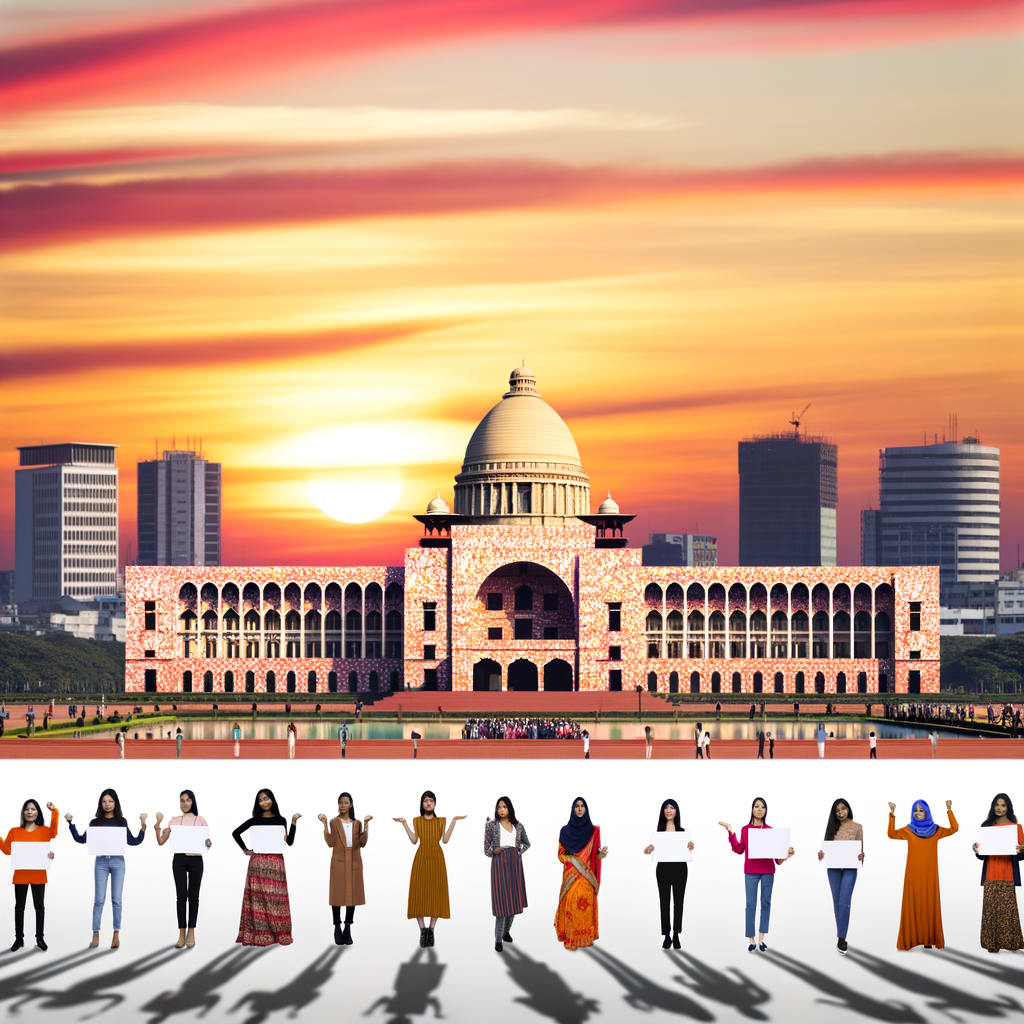
Bangladesh Holds Landmark Election After Gen Z-Led Uprising
Bangladesh is making history as it conducts its first general elections since a Gen Z-led uprising in 2024. The uprising ousted the long-serving Prime Minister Sheikh Hasina, marking the end of her 15-year rule and a significant shift in the nation's political landscape.
A Political Revolution
The ousting of Sheikh Hasina was spearheaded by a youth-led movement, reflecting the growing power of Gen Z in the country. This uprising was triggered by widespread dissatisfaction with what was perceived as an autocratic regime. The role of these young activists has been crucial in bringing Bangladesh to this point, shaping a new era in the country's politics.
At the vanguard of Gen Z movements, protesters in Bangladesh ousted the prime minister in 2024. They now face the hard reality of winning change through elections.- New York Times
A Contested Election
The elections are primarily a contest between the Bangladesh Nationalist Party (BNP), led by Tarique Rahman, and a coalition of 11 parties led by Jamaat-e-Islami. The BNP has positioned itself as a force for change, with Rahman promising to end entrenched corruption and put the country on a new path.
Tarique Rahman, who after 17 years in exile is the main contender to be the next prime minister of Bangladesh, has pledged to end entrenched corruption and put the country on a 'new path'- The Guardian
Yet, the election has not been without controversy. The BNP has accused Jamaat-e-Islami of trying to buy votes, a claim which the latter has dismissed as a staged drama
by law enforcement agencies.
International Implications
The elections also carry significant international implications. Many Bangladeshis criticize India's support for the ousted Prime Minister, and there are signs that the country is turning away from India in favor of China and Pakistan. Meanwhile, Bangladeshis living abroad are making history by voting from Saudi Arabia and the Gulf, marking the first time expatriates can vote via postal ballot.
Women's Rights at Stake
Concerns have also been raised about the future of women's rights in Bangladesh. Jamaat-e-Islami chief Shafiqur Rahman has faced backlash for suggesting women's ability to perform jobs should be curbed due to their child-bearing role.
'Women’s freedoms are at stake’: concern at rise of Islamist party before Bangladesh election- The Guardian
Conclusion
As Bangladesh heads into this historic election, the outcome will significantly shape the future of the country. The role of the Gen Z generation, the international ramifications, and the future of women's rights in the country all hang in the balance. This election is a defining moment for Bangladesh, marking a potential return to democracy and a shift in the nation's political landscape.
The polls will be a pointer to the trajectory of a nation in flux, its governance in the future, and the power equilibrium in its South Asian neighborhood.- RT (Russia Today)