
Kidnapping of American Journalist Shelly Kittleson in Iraq Sparks International Concern
The award-winning American journalist Shelly Kittleson has been abducted in Iraq, according to a statement released by her employer, Al-Monitor. The incident has been confirmed by Iraq's interior ministry and the U.S. State Department, which has said that securing her safe return is a top priority. A suspect with connections to the Iran-backed Kataib Hezbollah has been arrested in connection with the kidnapping.
Background and Context
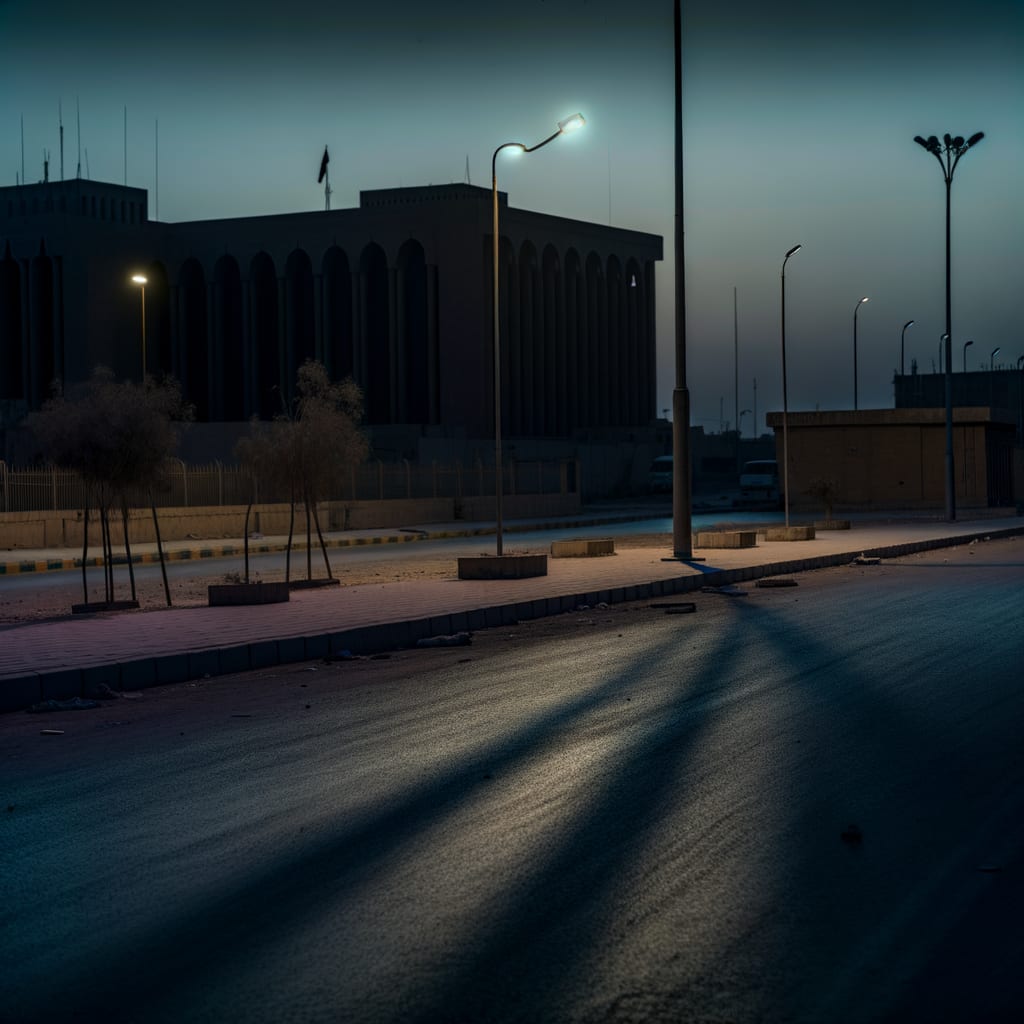
Shelly Kittleson, a seasoned freelance journalist known for her in-depth coverage of the Middle East, was reportedly kidnapped on Saadoun Street in central Baghdad. The 49-year-old Wisconsin native, based in Rome, has reported from war zones for years, including Afghanistan and Syria. Known for her courage and dedication, Kittleson has often worked on dangerous assignments, sometimes without formal commissions and on a limited budget.
The incident has sparked international concern, with the International Women’s Media Foundation expressing alarm over the abduction. Kittleson is a journalist whose reporting contributes to press freedom in the MENA region and beyond. She must be located, released, and returned to safety immediately,
the organization said.
Key Developments
Security footage from the scene of the kidnapping shows Kittleson being forced into a vehicle. According to the State Department, an individual linked to the Kataib Hezbollah group has been arrested by Iraqi authorities over the incident. The Kataib Hezbollah group is suspected to be behind the kidnapping, and the group is reportedly pressing for the release of its members detained by the Iraqi government in exchange for Kittleson.
Despite warnings from the U.S. services about the threats to her safety, Kittleson continued her work in the increasingly volatile region. She often worked without formal assignments from editors and on a shoestring budget, taking shared taxis to lawless corners of Iraq where militia rule outweighs government control,
the Associated Press reported after speaking to her friends, family, and colleagues.
Implications and Reactions
The kidnapping comes amidst escalating tensions in the region following the US-Israeli attack on Iran. With the deterioration of security in the region, the U.S. embassy in Baghdad has urged American citizens to leave Iraq due to imminent attacks. It has also warned against approaching the embassy or the consulate in Erbil due to ongoing security risks, including rockets, drones, and mortars.
Meanwhile, the Iraqi authorities are reportedly intensifying their efforts to locate and rescue Kittleson, with a manhunt underway. The kidnapping has not only underscored the growing risks to journalists in the region but also highlighted the broader security challenges facing Iraq amidst escalating regional tensions.
Current Status
The situation remains tense, with the details of Kittleson's condition and whereabouts still unknown. Efforts to secure her release are ongoing, while the arrest of an individual linked with Kataib Hezbollah has marked a significant development in the case. As the international community watches with bated breath, the case underscores the precarious situation for journalists working in conflict zones and the importance of press freedom.