
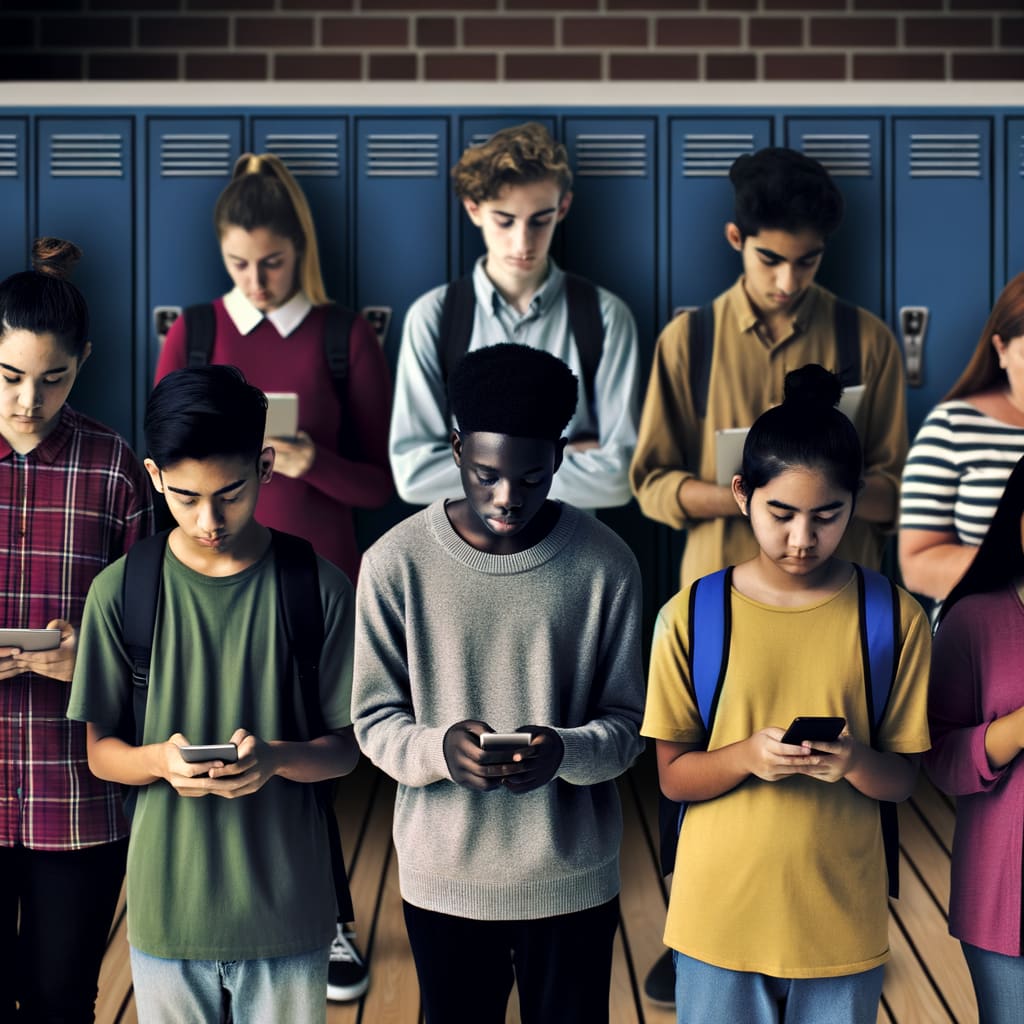
Excessive Social Media Use Linked to Unhappiness and Lower Academic Performance in Young People, Studies Reveal
In an increasing digital age, excessive use of social media and mobile phones has been linked to a significant decrease in happiness and academic performance among young people. Globally conducted studies, including the 2026 World Happiness Report and research from the University of San Diego, have reported these concerning trends. These studies raise crucial questions about the psychological impacts of intensive digital technology use on youngsters.
The Impact of Social Media and Mobile Phones
The World Happiness Report, released on 19 March 2026, points out that heavy social media use leads to unhappiness among young users. Echoing these findings, research from the University of San Diego has shown a correlation between intense mobile phone usage and lower academic grades, as well as increased feelings of loneliness among adolescents.
According to Ukrinform, social media clips that spark strong emotional reactions such as anger, panic, or despair are classic examples of psychological operations (PSYOPS) triggers. These triggers can potentially manipulate the emotions and behavior of the users, particularly the more impressionable young minds.
The Role of Digital Technology and Online Safety
While the digital age has brought about numerous advantages, its darker side has become increasingly evident and concerning. Amid this, a research project from the University of Padua provides a guide for parents and educators on the use of digital technology with and for children, emphasizing the importance of responsible digital consumption.
In a related issue, the Australian online safety regulator has warned Elon Musk’s X, presumably a product or service associated with Elon Musk, about 'systemic' child abuse material found on its platform. This development followed the Grok scandal, where the chatbot was used to generate sexualized images of women and children online. The eSafety commissioner underscored Musk’s promise that ‘removing child exploitation is priority #1’ to address this alarming issue.
The Role of Sleep in Mental Health
In a slight departure from the concerning trends, a study reported by Clarin suggests that allowing adolescents to sleep late at weekends may help improve their mental health. The researchers have begun to analyze how sleep recovery affects mental health, which could potentially counterbalance some of the negative impacts of excessive digital technology use.
Conclusion
In the light of these findings, it is clear that the excessive use of social media and digital technology can have detrimental effects on young people, impacting their happiness, academic performance, and mental health. While the role of sleep in mitigating these effects is still under investigation, the importance of responsible digital consumption cannot be overstated. Online safety, as highlighted by the eSafety commissioner's warning to Elon Musk’s X, is another pressing concern that needs immediate attention. As such, these developments underscore the need for continued research, education, and policy changes to safeguard the mental health and wellbeing of our younger generation in the digital age.