
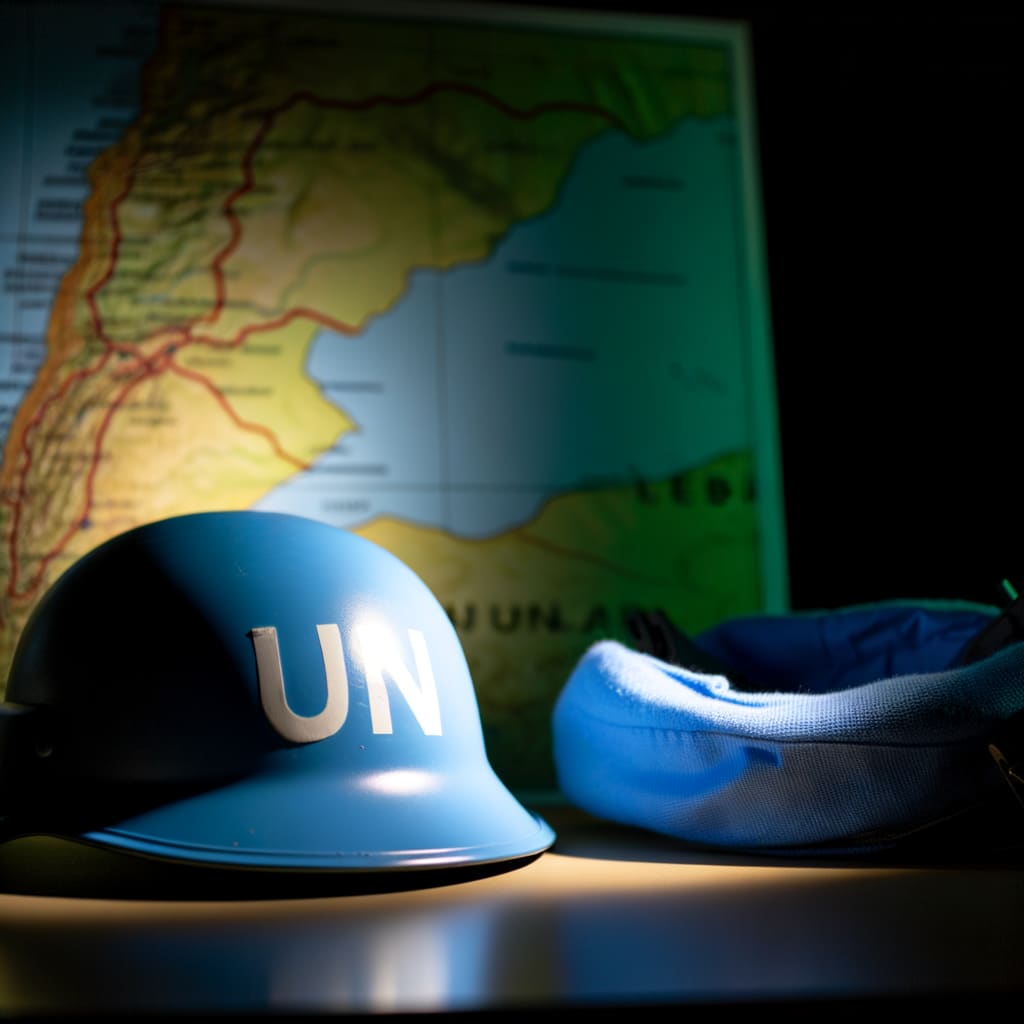
Three Indonesian UN Peacekeepers Killed in Lebanon: Investigation Underway
Three United Nations peacekeepers from Indonesia have been killed in separate incidents in South Lebanon, sparking an international outcry and calls for a thorough investigation. The incidents have occurred amid escalating hostilities along the Lebanon-Israel border, where the United Nations Interim Force in Lebanon (UNIFIL) operates to monitor the situation.
Context and Background
The fatal incidents took place near the positions of the Indonesian UNIFIL contingent, near Adchit Al Qusayr and Bani Hayyane, where clashes have been taking place between Israel and Hezbollah. According to initial reports, the casualties were caused by explosions of unknown origin. The Indonesian foreign ministry confirmed the nationality of the casualties and condemned the attacks, urging respect for international humanitarian law and the safety of peacekeeping troops.
In the last 24 hours, three Indonesian peacekeepers were killed and several others were severely injured. The Indonesian foreign ministry has confirmed that the casualties were caused by indirect artillery fire in the vicinity of the Indonesian Unifil contingent's position.
Key Developments
According to UNIFIL, the first incident occurred on Sunday evening when a projectile exploded on a UNIFIL position near Adchit Al Qusayr. An Indonesian peacekeeper was killed, and another was critically injured.
The next day, two more UN peacekeepers were killed and two others were injured, one severely, by an 'explosion of unknown origin' which destroyed their vehicle near Bani Hayyane. UNIFIL announced that this was the second fatal incident in the last 24 hours.
The UN has launched an investigation into the incidents. Preliminary findings suggest that a roadside explosion struck the peacekeepers' convoy. According to a UN security source quoted by The Times of Israel, the third Indonesian peacekeeper killed this week was hit by Israeli tank fire.
International Reaction
The incidents have sparked international condemnation. The Indonesian government has expressed its deepest condolences and called for a thorough and transparent investigation. It urged all warring parties in the Middle East to respect international humanitarian law
and ensure the security of peacekeeping personnel.
France also condemned these 'gravest incidents' and demanded an emergency meeting of the United Nations Security Council. The Members of the United Nations Security Council have likewise condemned the deadly attacks and called for de-escalation between Israel and Hezbollah.
Current Status
The investigation is still ongoing, with both UNIFIL and the Israel Defense Forces (IDF) looking into the incidents. While preliminary findings point to a roadside explosion, the origin of the projectile and the responsible party remain unknown. Amid increasing hostilities along the Lebanon-Israel border, the situation remains tense for UN peacekeepers on the ground.
In the words of the commander of Unifil, General Abagnara, Soldiers [are] daily in the bunkers. But we remain fundamental for the stability of the Country.