
Farmers across Europe Protest EU-Mercosur Trade Deal
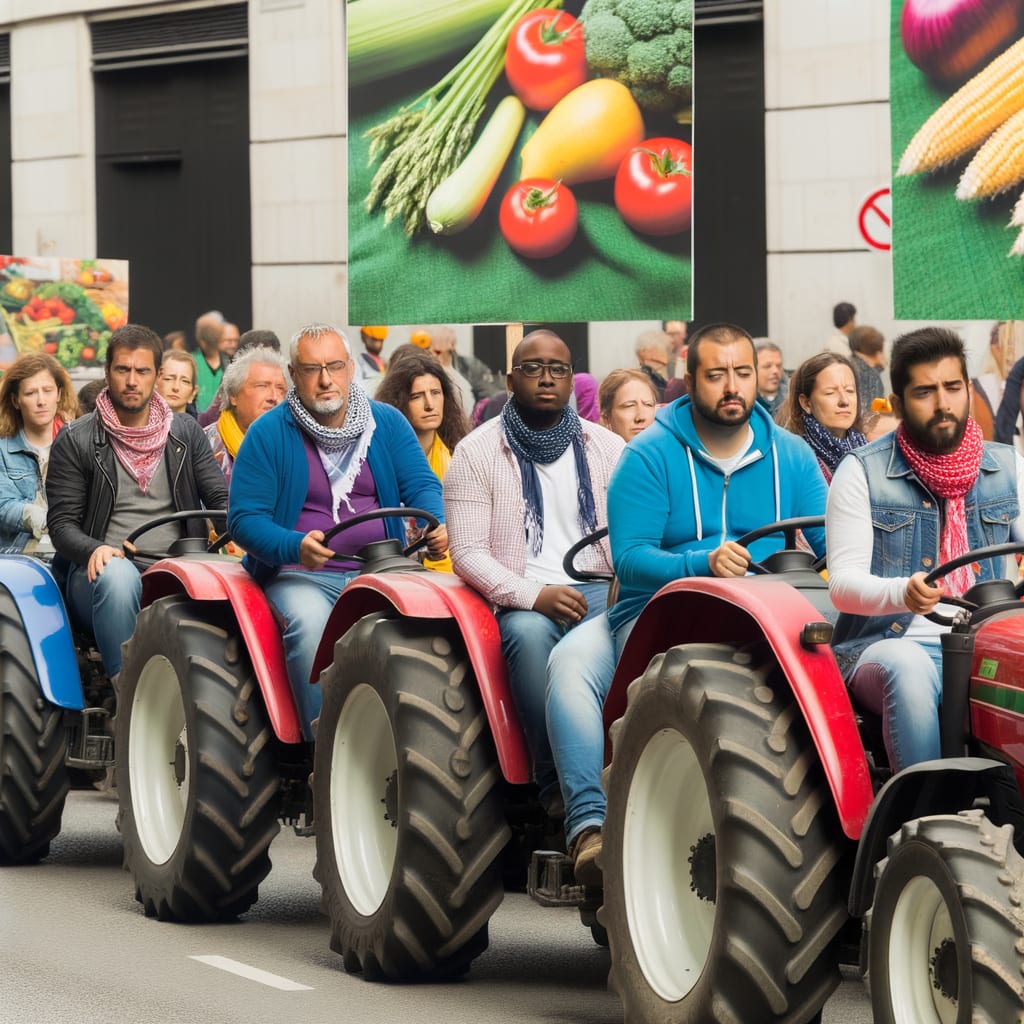
In a wave of widespread protests, thousands of farmers across Europe, from Paris to Athlone, Greece to Poland, mobilized against the imminent EU-Mercosur free trade agreement, according to multiple reports from Le Monde, TASS, Corriere della Sera, South China Morning Post, The Guardian, and Deutsche Welle. The farmers, who drove tractors into major cities and blocked key roads, argue that the deal endangers local agriculture by opening the market to cheaper goods from South America.
The EU-Mercosur Accord Controversy
The agreement, reached after 25 years of negotiations, creates the world's largest free-trade area by uniting the European Union with Argentina, Brazil, Paraguay, and Uruguay. Despite opposition from several countries including France and Ireland, EU states approved the treaty. The deal has sparked concerns in agricultural communities about potential unfair competition and the impact on local farming and food standards.
According to Le Monde, some agricultural unions are also opposing public regulations on the preservation of water resources, a critical issue in intensive farming. They are demanding what the French publication terms the right to pump without limits
and to potentially pollute potable water resources.
Protests Sweep Across Europe
Farmers' protests have been reported in various forms across Europe. In Paris, hundreds of tractors entered the city, with law enforcement officials blocking central roads to maintain order, as per TASS and Corriere della Sera. The FNSEA and Young Farmers' Confederation organized a rally to demand concrete and immediate actions
to defend food sovereignty, which they consider to be in danger.
The protests extended to Ireland, where thousands of farmers marched in the central town of Athlone displaying signs such as Stop EU-Mercosur
and sell out
, as reported by the South China Morning Post. Similarly, in France, farmers blockaded motorways outside Paris and even reached the city centre, bypassing police checkpoints to express their opposition to the deal, adds The Guardian.
Implications and Reactions
The protests reflect broader concerns about the potential impact of the Mercosur deal on local farming and the environment. Critics suggest that the agreement might bypass environmental and sanitary standards imposed on European producers. French farmers, for instance, intend to block the passage of food that does not meet these standards, as per Le Monde.
Farmers fear the deal will lead to an influx of cheaper goods from South America, undercutting local products and threatening livelihoods. As Deutsche Welle reports, some farmers in France drove tractors into Paris to voice this concern.
Current Status
Despite the widespread protests, the EU-Mercosur agreement is set to be signed, even without the support of certain countries like France, as per Le Monde. The Commission has announced new concessions to the agricultural sector, which have lifted the Italian reservations. The situation remains fluid as farmers across Europe continue to express their opposition and fears about the impact of the Mercosur deal on their industry.