
Iran Experiences Third Day of Protests Over Economic Crisis
Lead
Iran has experienced a third consecutive day of protests following the sharp devaluation of the Iranian rial and worsening economic conditions. The demonstrations, initially staged by Tehran shopkeepers, have now spread beyond the capital and into major universities across the country. As the country grapples with this wave of civil unrest, Iranian President Masoud Pezeshkian has called for dialogue with protest leaders to address their legitimate concerns.
Background
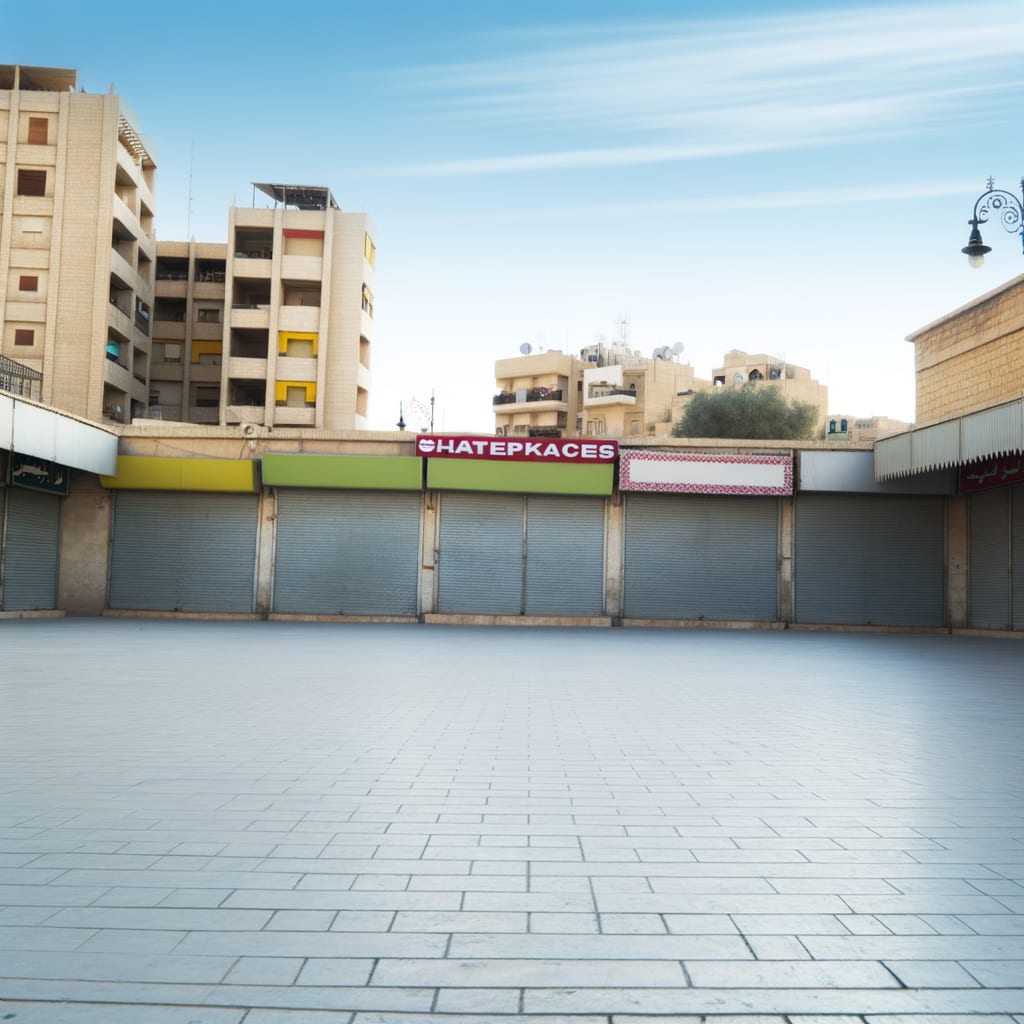
The protests began on Sunday when Tehran storekeepers shuttered their premises as the rial currency hit a record low against the US dollar. This economic crisis, marked by the currency's collapse and rising inflation, has spurred widespread dissent over declining living standards.
Iranian leaders are also facing pressure over possible military strikes from Israel and the United States over Tehran's nuclear activities, adding to the complex landscape of current Iranian socio-political issues.
Key Developments
By Tuesday, protests had spread to major universities in Tehran, Isfahan, and other provincial cities. The student action follows Monday's protests by shopkeepers, reflecting the widespread discontent over the economic hardship.
According to the National Council of Resistance of Iran (NCRI), there have been clashes with security forces and anti-government chants. Universities have emerged as major protest hubs, with demonstrations reported at Tehran University, Sharif University of Technology, Shahid Beheshti University, Elm-o-Sanat University, Khajeh Nasir University, and institutions in Isfahan.
Implications or Reactions
In response to the widespread dissent, Iranian President Masoud Pezeshkian has urged the government to heed the economic protests and called for dialogue with leaders of the demonstrations. The Iranian government has acknowledged the protesters' legitimate demands
relating to the decline in currency and living standards.
Internationally, the Trump administration has voiced support for the protesters, pointing to Iran's economic collapse and long-standing public discontent. However, officials stopped short of calling for regime change.
Conclusion with Current Status
As the protests continue, the Iranian government's response will be closely watched both domestically and internationally. The economic crisis, coupled with the threat of foreign military action, has put the nation's leadership under significant pressure. It remains to be seen how effectively the government will address the concerns of demonstrators and manage the mounting discontent.
Further developments in this story will be reported as they unfold.
Sources: The Times of Israel, ANSA, BBC News, New York Times, Fox News, The Guardian, Folha de S.Paulo, Sky News world, South China Morning Post, Deutsche Welle, Japan Times