
Iran Allows Limited Passage Through Strait of Hormuz Amid Conflict and Negotiations
In the wake of the ongoing conflict with the US and Israel, Iran has started allowing limited passage through the strategic Strait of Hormuz to friendly nations, while simultaneously holding talks with Oman about reopening the strait. The move comes as US President Donald Trump warns Iran to reopen the strait fully within 48 hours or face 'hell'.
Background and Context
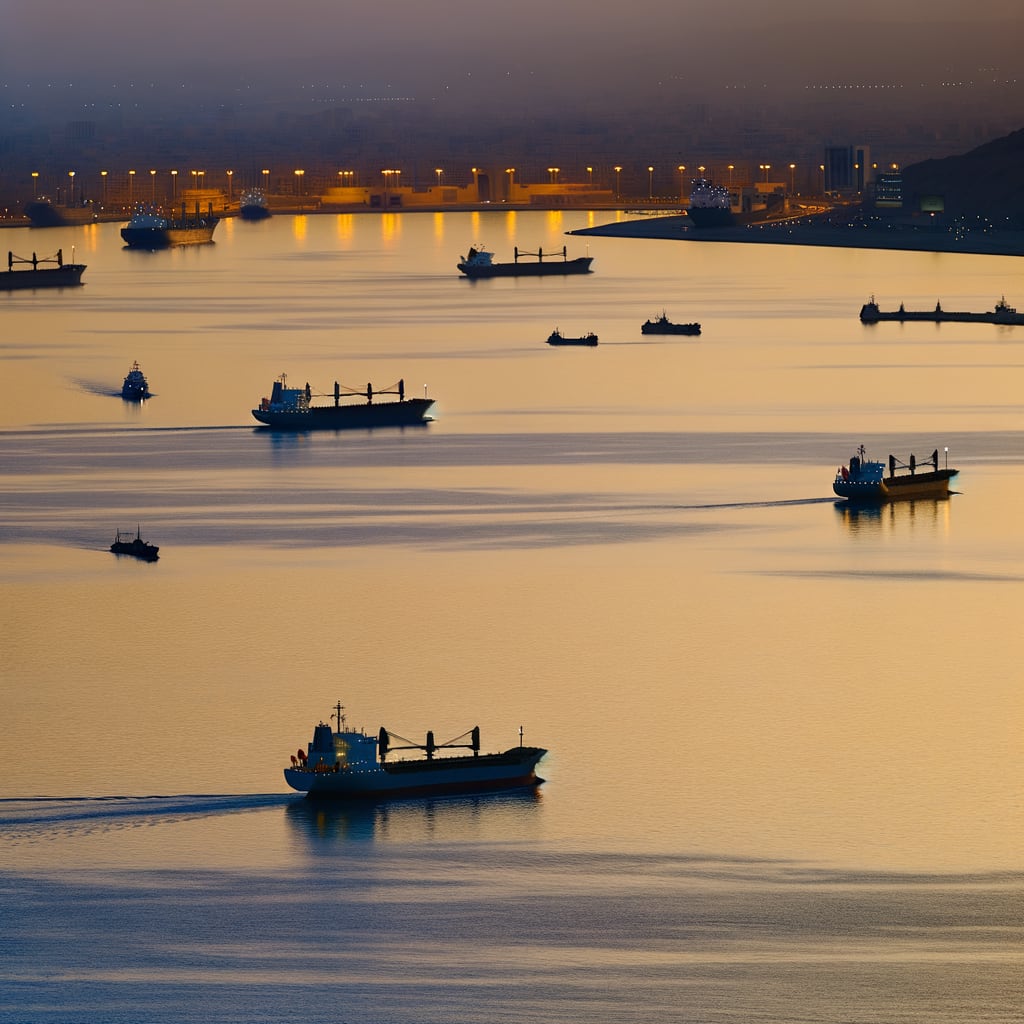
The Strait of Hormuz is a crucial waterway, through which approximately 20% of the world's oil transits. The strait has been largely closed since the escalation of the US-Israeli war on Iran, with maritime traffic down by about 90%. In recent days, Iran has permitted a limited number of ships from friendly nations to pass through the strait, including 15 in a span of 24 hours and the first Malaysian vessel since the start of the war.
Key Developments
Iranian military officials confirmed the exemption of Iraqi ships from navigation restrictions, allowing Iraqi oil tankers to transit through the waterway. Additionally, Iran is reportedly seeking to implement a toll system for passage through the strait, with fees based on the type of vessel and its cargo. The toll system, which would apply even to friendly nations, is seen as part of Iran's strategy to partially offset damage from enemy aggression.
Oman and Iran have held meetings discussing the potential reopening of the strait and the implementation of the toll system. Possible options for ensuring a smooth passage were explored by the deputy ministers of the foreign ministries of both countries.
International Reactions and Implications
The selective reopening of the strait by Iran has drawn the attention of the international community. Singapore's Foreign Affairs Minister, Vivian Balakrishnan, stated that his country would not negotiate for safe passage, asserting that transit through such waterways was a right, not a privilege.
Meanwhile, US President Donald Trump issued an ultimatum to Iran, giving the country 48 hours to fully reopen the strait or face severe consequences, including potential attacks on Iran's power plants and bridges.
Conclusion
As the deadline set by Trump fast approaches, the conflict and negotiations surrounding the Strait of Hormuz continue. Iran has shown a willingness to allow limited access to the strait for friendly nations and is in talks about reopening the strait with Oman. However, the future remains uncertain as Iran continues to maintain its blockade against vessels linked to the US and Israel. Whether Iran will yield to the mounting international pressure and fully reopen the strait remains to be seen.