
Middle East Crisis: Escalating Conflict Disrupts Travel and Economy, Sparks Global Concern
The Middle East has been plunged into a new regional conflict following the US-Israeli strikes on Iran and the subsequent retaliation, causing significant disruptions in travel and a volatile global economic situation. The conflict has resulted in numerous casualties and physical damage in the region, as well as far-reaching effects on the global travel, tourism, and aviation sectors.
Background and Context
The US and Israel launched their strikes against Iran over the weekend, ostensibly to eliminate imminent threats
to the American people and bring about regime change in Iran. Iran responded with retaliatory strikes against targets in Israel as well as US bases in the region. The conflict has spilled over into other countries in the region, with the UAE intercepting missiles and drones launched from Iranian territory.
Among the casualties of the conflict is Iran’s Supreme Leader Ayatollah Ali Khamenei, whose death has triggered a leadership vacuum in Iran and contrasting public reactions. While some mourned the leader's demise, others celebrated the end of his rule. The UAE, a hub for migrant workers and a popular travel destination, was also targeted, resulting in the death of a migrant worker and the disruption of its peaceful image.
Key Developments
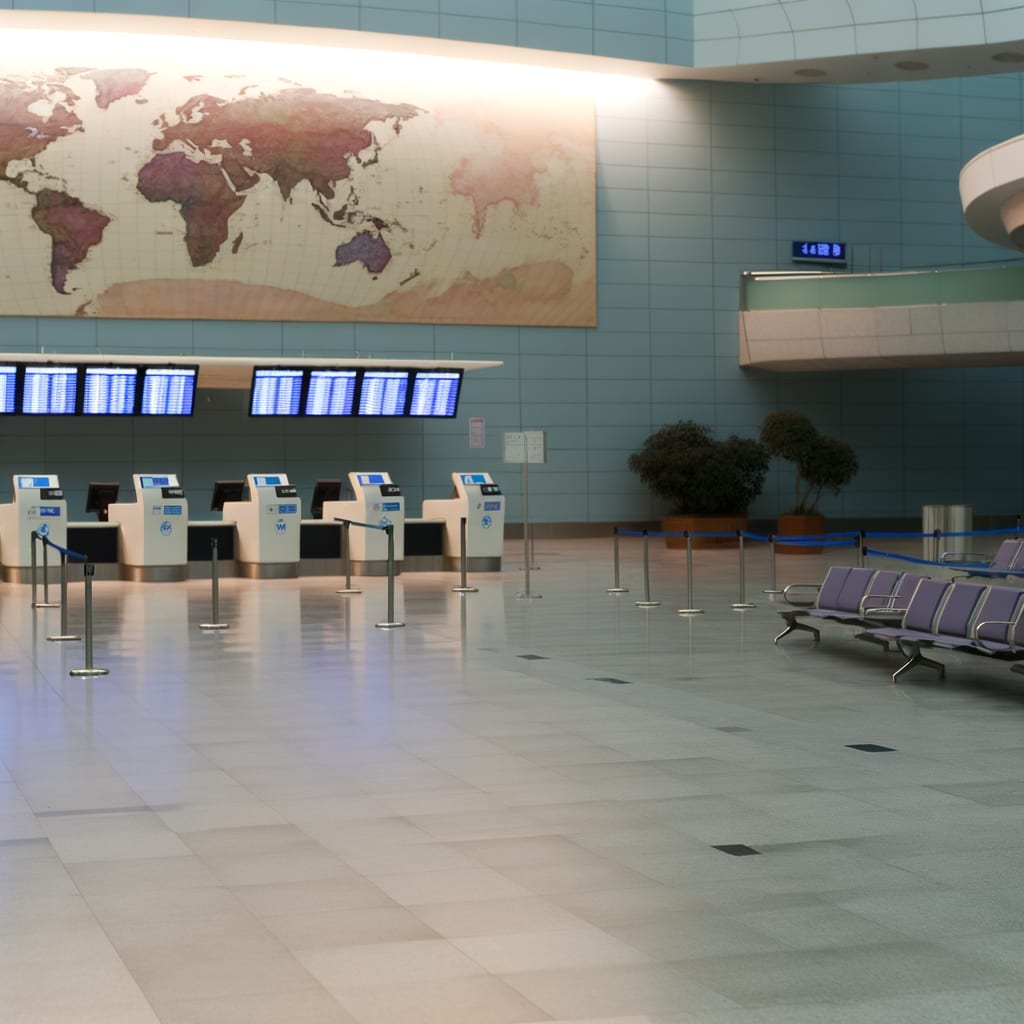
Travelers have been particularly impacted by the conflict. Key transit hubs, including Dubai and Doha, have ceased operations or are running at reduced capacity, leaving hundreds of thousands of passengers stranded or diverted to other airports. Major airlines, including Cathay Pacific, have suspended flights in the region. The US State Department has also advised Americans to depart immediately from more than a dozen countries across the Middle East.
The conflict has also affected the global economy, with oil prices surging and a potential slowdown in Asia’s tourism and aviation sectors. Investors are anticipating a short conflict in the Middle East, but economists warn that they may be underestimating the potential duration and impact of the conflict.
Reactions and Implications
The conflict has sparked global concern and criticism. In the US, President Trump's unilateral decision to launch strikes against Iran has met a mixed response in Congress, revealing a split mostly along party lines. Democrats are seeking to halt the campaign under the 1973 War Powers Act. Dubai-based billionaire Khalaf al-Habtoor accused President Trump of endangering the Gulf states by initiating a war they did not want.
The conflict also poses potential risks for the several million Indian migrant workers in the UAE, which is the second largest source of India’s inward remittances. In Hong Kong, analysts predict an increase in travel costs due to the suspension of major transit hubs.
Current Status
As the conflict continues to escalate, President Trump has suggested that the war on Iran could continue for up to a month. The situation remains unpredictable and volatile, and the global community is closely monitoring the developments.