
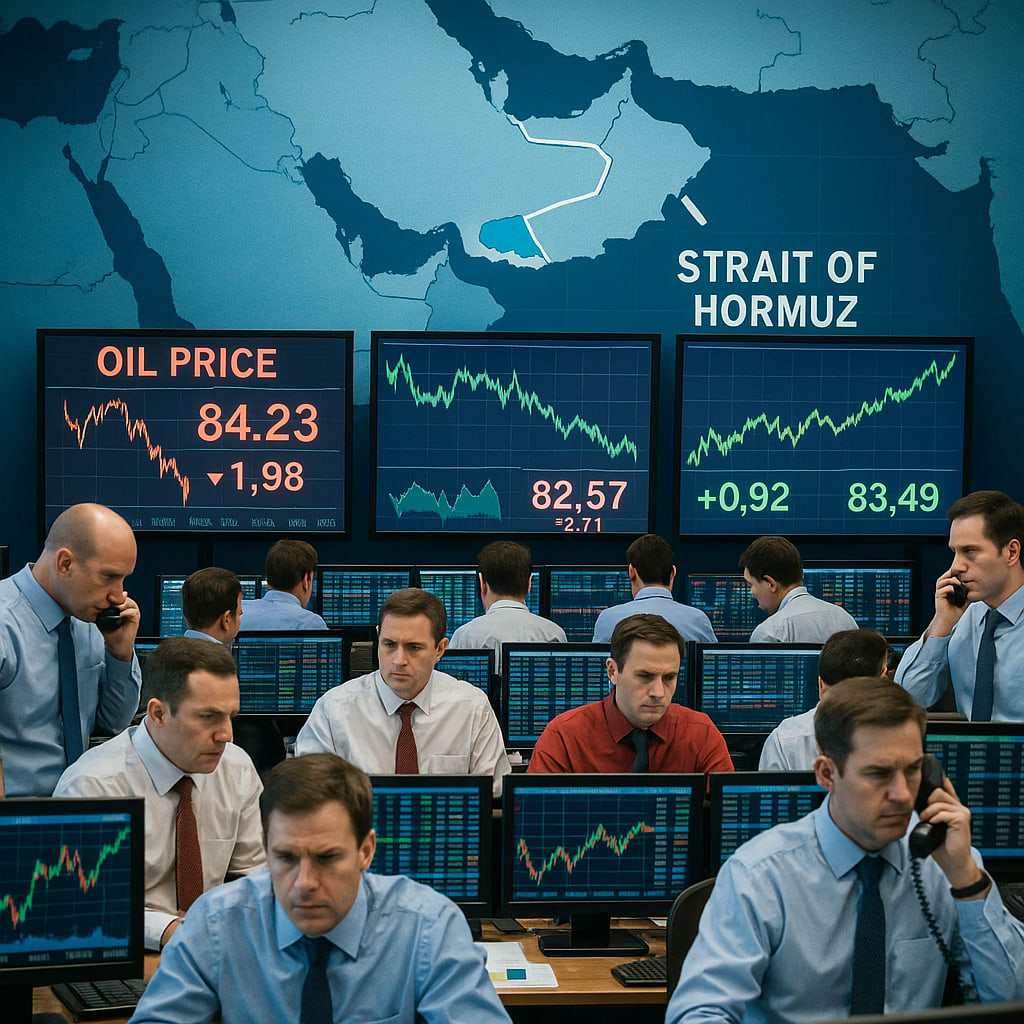
Oil Prices Waver Amid Iran-US Negotiation Progress and Concerns of an Energy Crisis
Global oil prices have been fluctuating due to increasing signs of advancements in Iran-US peace talks and the potential reopening of the Strait of Hormuz. However, experts warn of a possible energy crisis on the horizon.
Background
The war between the US-Israel alliance and Iran, which led to the blockade of the Strait of Hormuz in late February, has significantly affected the global oil market. The Strait of Hormuz is a critical passage for oil transportation, with its blockade leading to severe energy supply disruption. This situation has led to a surge in global oil prices and an impending energy crisis.
Key Developments
US President Donald Trump's recent optimism about the negotiations has led to a drop in oil prices by more than five percent. He stated that talks with Iran were in their final stages
and gave Tehran a deadline of two or three days
to reach an agreement.
While the Iranian stock market has reopened after nearly a three-month shutdown, it is under controlled conditions with investor restrictions, indicative of the broader economic difficulties that persist in the aftermath of the war.
The International Energy Agency (IEA) has warned of a potential oil market crisis this summer, with a shortage of offers. This shortage could occur in 'July or August' if there isn't a lasting resolution to the conflict.
Implications
The ramifications of the conflict extend beyond the energy sector. Data reveals that Japanese vehicle exports to West Asia collapsed by more than 90 percent in April due to the crippling of maritime shipping. The UN Food and Agriculture Organization (FAO) has also warned of a potential global food price crisis if the situation persists.
In the US, opposition to the war is growing, with a recent Fox News poll finding that 60 percent of Americans now oppose the war, attributing the conflict to increasing economic turmoil.
Conclusion
Despite signs of progress in the Iran-US negotiations, the potential for an energy crisis looms large. The normalization of traffic in the Strait of Hormuz and the reopening of the Iranian stock market have led to temporary relief in oil prices. However, experts warn of an impending energy crisis if a lasting resolution to the conflict is not reached.
The situation remains volatile, with the global community keenly awaiting the outcome of the Iran-US negotiations. The economic consequences of the conflict continue to be far-reaching, affecting sectors beyond energy and raising concerns about potential future crises.